What Are Copper Nickel Alloys?
Copper nickel alloys, commonly called cupronickel, are recognized for their outstanding corrosion resistance, particularly in seawater, which makes them ideal for marine and industrial applications. These alloys also exhibit good thermal conductivity, mechanical strength, and resistance to biofouling.
The two most frequently used copper nickel alloys are:
UNS C70600 (90/10 Copper Nickel)
UNS C71500 (70/30 Copper Nickel)
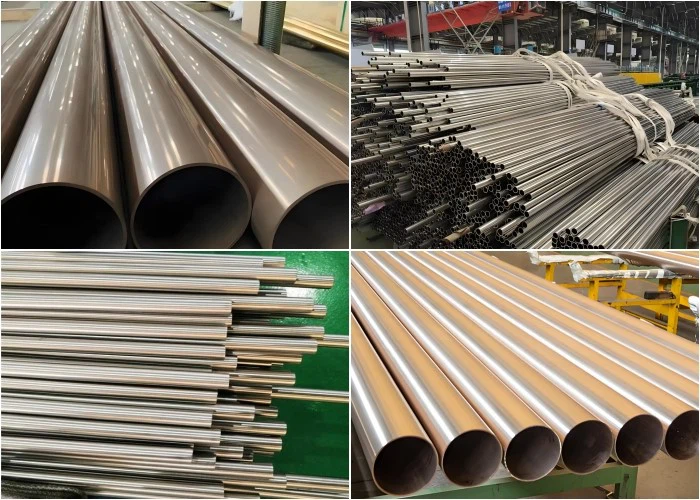
UNS C70600 (90/10 Copper Nickel): Composition, Properties, and Applications
Chemical Composition of C70600
| Element | Percentage (%) |
|---|---|
| Copper (Cu) | 88.7 - 91.2 |
| Nickel (Ni) | 9.0 - 11.0 |
| Iron (Fe) | 1.0 - 1.8 |
| Manganese (Mn) | 1.0 Max. |
Key Properties of UNS C70600
| Property | Description |
|---|---|
| Corrosion Resistance | Excellent in seawater and brackish water; resists biofouling, reducing cleaning frequency |
| Thermal Conductivity | Good, making it suitable for heat exchangers and condenser tubes |
| Formability & Weldability | Easy to fabricate; good formability and weldability for complex shapes |
Applications of C70600 Material
| Industry | Application |
|---|---|
| Marine / Shipbuilding | Seawater piping, heat exchangers, condenser tubes |
| Desalination Plants | Tubing and components in contact with seawater |
| Offshore Oil & Gas | Piping systems exposed to seawater |
UNS C71500 (70/30 Copper Nickel): Composition, Properties, and Applications
Chemical Composition of C71500
| Element | Percentage (%) |
|---|---|
| Copper (Cu) | 66.5 - 69.5 |
| Nickel (Ni) | 29.0 - 33.0 |
| Iron (Fe) | 0.4 - 1.0 |
| Manganese (Mn) | 1.0 Max. |
Key Properties of UNS C71500
| Property | Description |
|---|---|
| Corrosion Resistance | Superior to C70600, especially in high-velocity or abrasive environments |
| Mechanical Strength | Higher than C70600, suitable for more demanding applications |
| Erosion Resistance | Enhanced resistance to erosion and impingement attacks at high flow rates |
Applications of C71500 Material
| Industry | Application |
|---|---|
| Heat Exchangers & Condensers | Power plants and shipbuilding requiring high strength and corrosion resistance |
| Seawater Piping Systems | High-velocity and turbulent flow conditions |
| Offshore Oil & Gas | Risers, platform leg sheathing, components exposed to aggressive seawater |
Key Differences: UNS C70600 vs. UNS C71500
| Parameter | UNS C70600 (90/10) | UNS C71500 (70/30) |
|---|---|---|
| Nickel Content | 9.0 - 11.0% | 29.0 - 33.0% |
| Copper Content | ~ 90% | ~ 70% |
| Corrosion Resistance | Excellent | Superior (especially high-velocity) |
| Mechanical Strength | Good | Higher |
| Erosion Resistance | Good | Enhanced |
| Biofouling Resistance | Excellent (slightly superior) | Good |
| Cost | More economical | Higher (due to nickel content) |
| Typical Applications | General seawater service | Demanding / high-velocity conditions |
Choosing the Right Alloy for Your Application
| Factor | Recommendation |
|---|---|
| Corrosion Resistance Requirements | If your application involves high-velocity seawater or erosion-prone environments, choose C71500 |
| Mechanical Strength Needs | For applications requiring higher mechanical strength, C71500 performs better |
| Budget Constraints | If cost is a significant factor, C70600 is more economical while providing excellent corrosion resistance in less demanding environments |
| Specific Application Needs | Consider operating environment, temperature, and potential exposure to aggressive media |
| Condition | Recommended Alloy |
|---|---|
| Clean seawater, normal velocity (≤ 3.6 m/s) | C70600 |
| High-velocity seawater (> 3.6 m/s) | C71500 |
| Seawater with suspended sand or abrasives | C71500 |
| Biofouling is the primary concern | C70600 (slightly superior) |
| Polluted seawater (H₂S, ammonia) | C71500 (preferred) |
| Budget-sensitive projects | C70600 |
Mechanical Properties Comparison (Annealed)
| Property | UNS C70600 | UNS C71500 |
|---|---|---|
| Tensile Strength (MPa) | 275 Min. | 275 Min. |
| Yield Strength (MPa) | 105 Min. | 105 Min. |
| Elongation (%) | 40 Min. | 40 Min. |
| Machinability (% of free-cutting brass) | 20% | 20% |
Physical Properties Comparison
| Property | UNS C70600 | UNS C71500 |
|---|---|---|
| Density (g/cm³) | 8.94 | 8.94 |
| Melting Point (Liquidus) | 1150°C | 1150°C |
| Thermal Conductivity (W/m·K) | 40 | 40 |
| Electrical Conductivity (% IACS) | 9.1 | 9.1 |
| Modulus of Elasticity (GPa) | 140 | 140 |
Fabrication Properties
| Property | UNS C70600 | UNS C71500 |
|---|---|---|
| Cold Workability | Excellent | Excellent |
| Hot Workability | Good | Good |
| Welding (GTAW/TIG) | Excellent | Excellent |
| Soldering | Excellent | Excellent |
| Brazing | Good | Good |
| Annealing Temperature (°C) | 700 - 825 | 700 - 825 |
| Hot Working Temperature (°C) | 850 - 950 | 850 - 950 |
Product Forms Available
| Product Form | C70600 | C71500 |
|---|---|---|
| Seamless Pipe / Tube | ✓ | ✓ |
| Welded Pipe / Tube | ✓ | ✓ |
| Plate / Sheet | ✓ | ✓ |
| Bar / Rod | ✓ | ✓ |
| Flanges (all types) | ✓ | ✓ |
| Fittings (elbows, tees, reducers) | ✓ | ✓ |
| Forgings | ✓ | ✓ |
Applicable Standards
| Standard | C70600 | C71500 |
|---|---|---|
| ASTM B111 | ✓ (Condenser Tubes) | ✓ (Condenser Tubes) |
| ASTM B466 | ✓ (Seamless Pipe) | ✓ (Seamless Pipe) |
| ASME SB111 | ✓ | ✓ |
| ASME SB466 | ✓ | ✓ |
| EN 12451 | CuNi10Fe1Mn | CuNi30Fe1Mn |
FAQ
1. What is the main difference between UNS C70600 and UNS C71500?
The primary difference between UNS C70600 and UNS C71500 is nickel content. UNS C70600 (90/10 copper nickel) contains 9-11% nickel, while UNS C71500 (70/30 copper nickel) contains 29-33% nickel, giving C71500 higher strength and superior corrosion resistance.
2. Which alloy has better corrosion resistance: C70600 or C71500?
UNS C71500 offers superior corrosion resistance compared to C70600, particularly in high-velocity seawater environments or where erosion and impingement are concerns.
3. Is C70600 easier to machine than C71500?
Both alloys have the same machinability rating of 20% of free-cutting brass. However, C71500 is slightly harder due to its higher nickel content and may require more powerful tooling.
4. What is the density of C71500 compared to C70600?
Both c71500 density and C70600 density are 8.94 g/cm³. This means weight calculations for equivalent dimensions are the same for both alloys.
5. Which alloy is more expensive: C70600 or C71500?
UNS C71500 is generally more expensive than C70600 due to its higher nickel content (29-33% vs 9-11%).
6. Can ASTM B111 C70600 tubes be used in high-velocity seawater?
For ASTM B111 C70600 tubes, the maximum design velocity is 3.6 m/s. For velocities above this, C71500 is recommended.
7. What welding method is recommended for both C70600 and C71500?
Gas Tungsten Arc Welding (GTAW/TIG) with ERCuNi filler metal (AWS A5.7) is recommended for both C70600 and C71500 material.
8. Which alloy has better biofouling resistance: 90/10 or 70/30?
90/10 copper nickel (C70600) has slightly superior biofouling resistance compared to 70/30 copper nickel (C71500).
9. Are sb111 c71500 tubes suitable for desalination plants?
Yes. sb111 c71500 tubes are used in desalination plants, particularly for the heat recovery section of multi-stage flash (MSF) units.
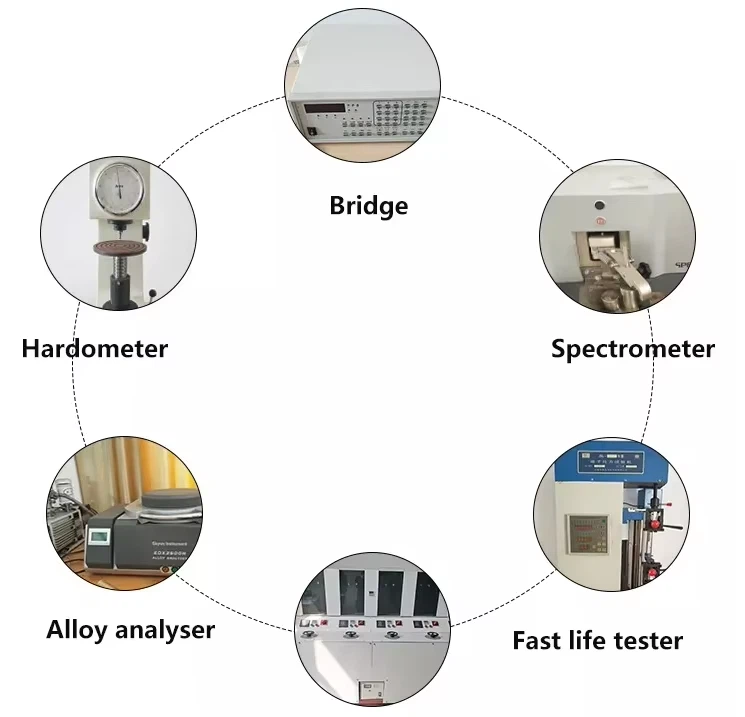
Detection
| Inspection Method | Standard / Purpose |
|---|---|
| Eddy Current Testing | ASTM E243 - Detects defects in non-ferromagnetic tubing |
| Hydrostatic Test | Pressure integrity verification |
| Ultrasonic Testing | Wall thickness measurement |
| Chemical Analysis | Spectrometer - Verifies c71500 chemical composition or C70600 composition |
| Mechanical Testing | Tensile, hardness, flattening, expansion tests |
| Flattening Test | Required for both alloys per ASTM B111 |
| Expansion Test | 30% at 60° (after annealing) |
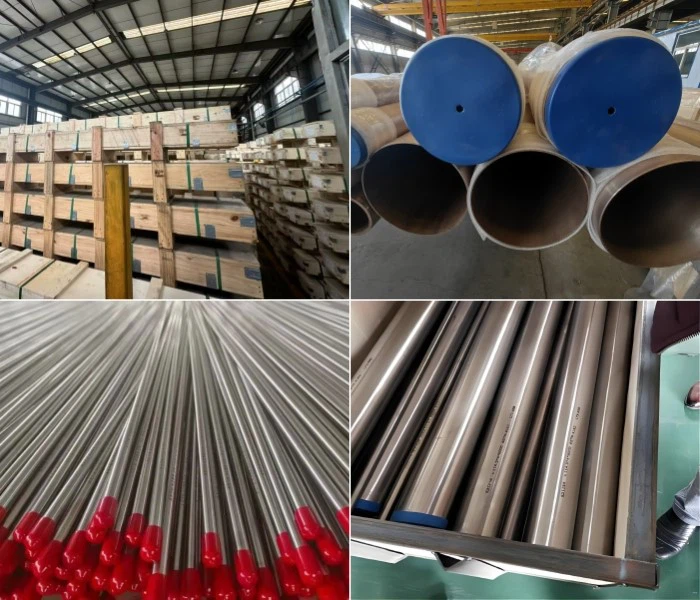
Packaging
| Item | Method |
|---|---|
| Small diameter tubes (≤ 12 inch) | Waterproof paper + plastic bag + wooden case |
| Large diameter pipes (> 12 inch) | Plastic end caps + steel strip bundles + wooden pallets |
| Flanges and fittings | Anti-rust oil + plastic film + carton + wooden case |
| Marking | Grade (C70600/C71500), size, schedule, heat number, standard (ASTM B111 / ASME SB466) |
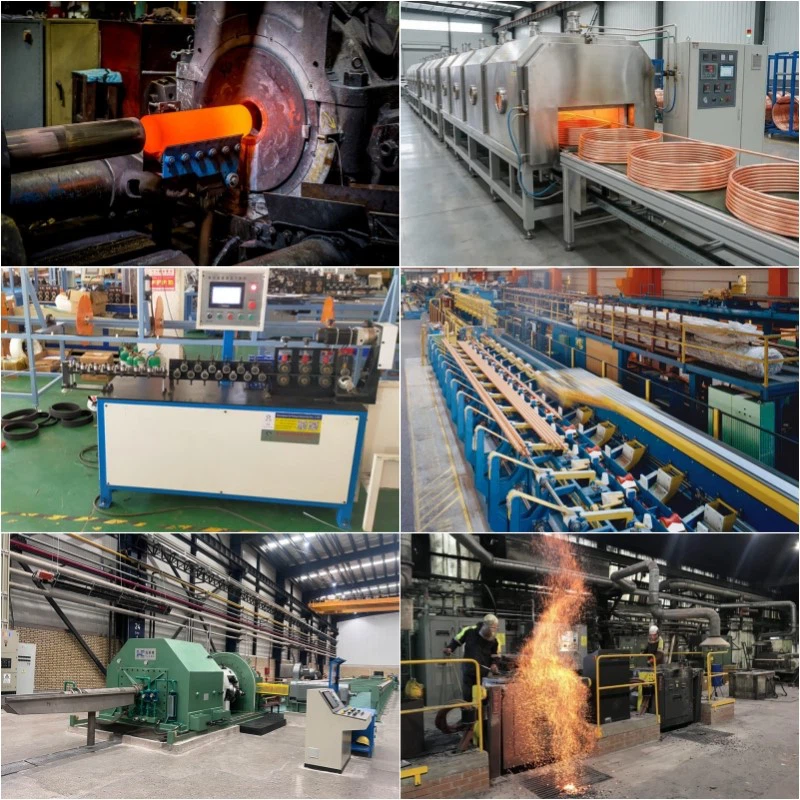
Factory Equipment
| Equipment | Purpose for Copper Nickel Production |
|---|---|
| Induction Melting Furnace | Precise control of c71500 chemical composition and C70600 composition |
| Continuous Casting Machine | Billet production |
| Extrusion Press | Hollow shell formation |
| Cold Pilger Mill | Tube diameter reduction |
| Draw Bench | Final sizing and surface finish |
| Annealing Furnace | Stress relief (700-825°C for both alloys) |
| Straightening Machine | Dimensional accuracy |
| CNC Machining Center | Flange and fitting production |
| NDT Equipment | Eddy current and ultrasonic testing |
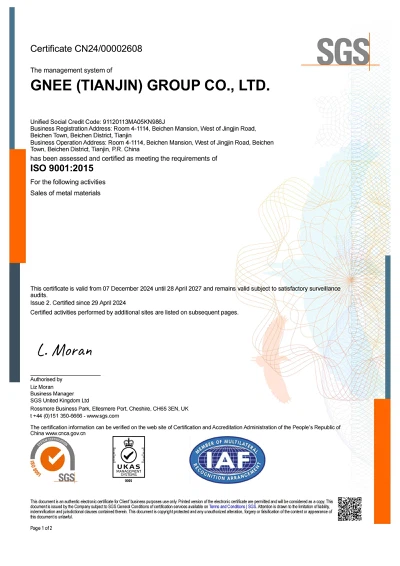
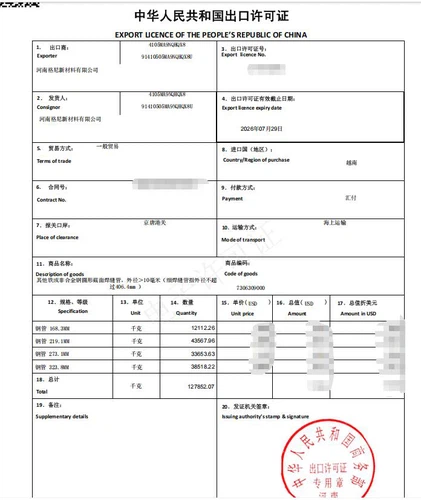
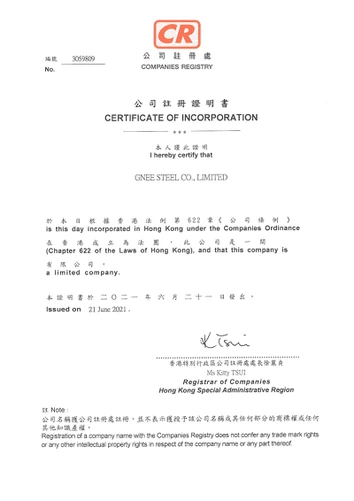
Certificates