Copper-nickel (CuNi) tubes are widely used in marine, industrial, and HVAC applications due to their corrosion resistance, high thermal conductivity, and durability. These tubes are ideal for seawater cooling, heat exchangers, and oil and gas operations. Advantages include their resistance to biofouling, ease of fabrication, and low maintenance costs, while disadvantages include higher costs and the need for specialized welding.
What are copper-nickel tubes?
Copper-nickel tubes are corrosion-resistant pipes made from an alloy primarily composed of copper and nickel, with small amounts of iron and manganese to improve corrosion resistance and strength. They are available in different grades, including:
CuNi 90/10 (C70600) – Contains 90% copper and 10% nickel, offering strong resistance to corrosion and good mechanical properties.
CuNi 70/30 (C71500) – Composed of 70% copper and 30% nickel, providing increased strength and resistance to seawater corrosion.

Properties of copper-nickel tubes
Corrosion resistance:Works well in seawater, resisting biofouling and erosion.
Thermal conductivity: Transfers heat efficiently, making it suitable for heat exchangers and cooling systems.
Durability: Maintains performance under high temperatures and mechanical stress.
Resistance to biofouling: Limits the growth of marine organisms, reducing maintenance.
Fabrication: Easy to shape, weld, and install in complex systems.
What is copper-nickel tubing used for?
Marine applications
Used in seawater cooling systems, shipbuilding, and desalination plants.
Installed in fire suppression systems on naval and commercial vessels.
Applied in offshore platforms and subsea pipelines, where corrosion resistance is critical.
Heat exchangers and condensers
Found in power plants, chemical processing, and industrial cooling systems.
Used in HVAC systems for efficient cooling and heating processes.
Oil and gas industry
Used in offshore drilling rigs and heat recovery systems in refineries.
Applied in subsea structures where durability is require.
Automotive and aerospace
Found in brake lines and hydraulic systems, where durability under high pressure is necessary.
Used in aircraft cooling systems for long-term reliability.
What are the benefits of copper-nickel?
Corrosion resistance
Excellent resistance to seawater, making it ideal for marine applications.
Resistant to biofouling, reducing maintenance needs.
Thermal conductivity
Transfers heat efficiently, making it suitable for heat exchangers and cooling systems.
Durability and strength
Maintains performance under high temperatures and mechanical stress.
Long-lasting, reducing replacement and maintenance costs.
Ease of fabrication
Can be shaped, welded, and installed with relative ease.
How do copper-nickel tubes compare to other alloys?
| Feature | Copper-Nickel Tubes | Stainless Steel | Carbon Steel |
|---|---|---|---|
| Corrosion Resistance | High (Seawater, Chemicals) | Moderate | Low |
| Thermal Conductivity | Excellent | Moderate | Low |
| Resistance to Biofouling | Yes | No | No |
| Strength | High | High | Moderate |
| Weldability | Excellent | Moderate | Low |
| Maintenance Cost | Low | High | High |
Compared to stainless steel and carbon steel, copper-nickel tubes last longer in corrosive environments, are easier to fabricate, and require less upkeep.
How to choose the right copper-nickel tubes
Several factors affect which copper-nickel tube is best suited for a specific application:
Operating conditions: CuNi 90/10 works well for most seawater applications, while CuNi 70/30 is used in extreme conditions.
Pressure and temperature: Higher nickel content increases strength.
Size and wall thickness: Must fit system design needs.
Industry standards: Compliance with ASTM, ASME, and ISO specifications ensures quality.
Installation and maintenance tips
Welding: Follow recommended procedures to maintain material integrity.
Regular inspections: Monitor for wear, pitting, or mechanical damage.
Cleaning: Periodic flushing and protective coatings help extend lifespan.
FAQ
1. What is the difference between C70600 and C71500 copper nickel tubes?
C70600 (90/10 copper nickel) contains 90% copper and 10% nickel, offering excellent biofouling resistance. C71500 (70/30 copper nickel) contains 70% copper and 30% nickel, providing higher strength and superior resistance to impingement corrosion.
2. What are copper nickel tubes mainly used for?
Copper nickel tubes are mainly used in marine applications (seawater cooling, shipbuilding, desalination), heat exchangers and condensers, oil and gas platforms, and automotive brake lines.
3. Does C71500 material resist biofouling?
Yes. C71500 material does resist biofouling, though C70600 (90/10) has slightly superior biofouling resistance.
4. What is the maximum design velocity for ASTM B111 C70600 tubes?
For ASTM B111 C70600 tubes in seawater service, the maximum design velocity is 3.6 meters per second. For higher velocities, C71500 is recommended.
5. Can I weld copper nickel tubes using standard welding methods?
Yes. Copper nickel tubes can be welded using Gas Tungsten Arc Welding (GTAW/TIG) with ERCuNi filler metal. Preheating is not required, and post-weld heat treatment is generally unnecessary.
6. What is the density of C71500 and why does it matter?
The c71500 density is 8.94 g/cm³. This is essential for calculating tube weight for shipping, structural support, and logistics planning.
7. How does the machinability of 70/30 copper nickel compare to 90/10?
The 70/30 copper nickel machinability rating is 20% of free-cutting brass, which is the same as 90/10. However, C71500 requires slightly more powerful tooling due to its higher strength.
8. Are sb111 c71500 tubes suitable for desalination plants?
Yes. sb111 c71500 tubes are used in desalination plants, particularly for the heat recovery section of multi-stage flash (MSF) units.
9. Why choose copper nickel tubes over stainless steel for seawater service?
Copper nickel tubes offer superior corrosion resistance in seawater, natural biofouling resistance, and much lower maintenance costs compared to stainless steel.
10. What is the annealing temperature for copper nickel 70/30 tubes?
For copper nickel 70/30 (C71500) tubes, the annealing temperature range is 700 – 825°C.
11. Can asme sb466 c715 pipes be used for fire water systems on offshore platforms?
Yes. asme sb466 c715 pipes are widely used for seawater deluge fire extinguishing systems on offshore platforms.
12. Which copper nickel alloy is more economical: C70600 or C71500?
C70600 (90/10 copper nickel) is more economical than C71500 due to its lower nickel content, while still providing excellent corrosion resistance for most marine applications.
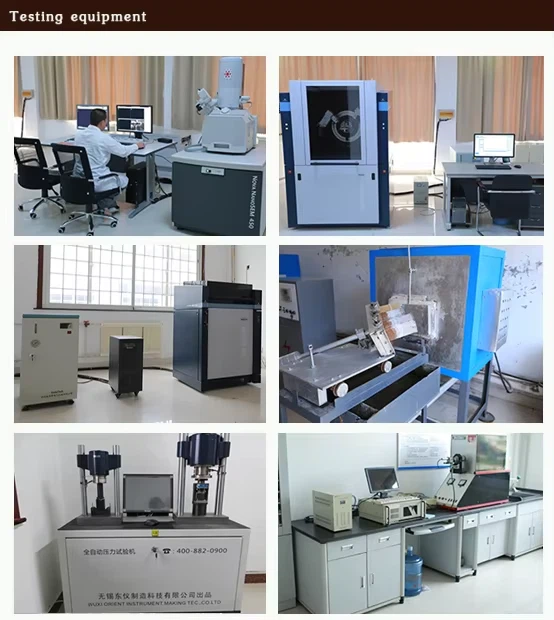
Detection
| Inspection Method | Standard / Purpose |
|---|---|
| Eddy Current Testing | ASTM E243 - Detects defects in non-ferromagnetic tubing |
| Hydrostatic Test | Pressure integrity verification |
| Ultrasonic Testing | Wall thickness measurement |
| Chemical Analysis | Spectrometer - Verifies c71500 chemical composition or C70600 composition |
| Mechanical Testing | Tensile, hardness, flattening, expansion tests |
| Flattening Test | Required per ASTM B111 |
| Expansion Test | 30% at 60° (after annealing) |
Packaging
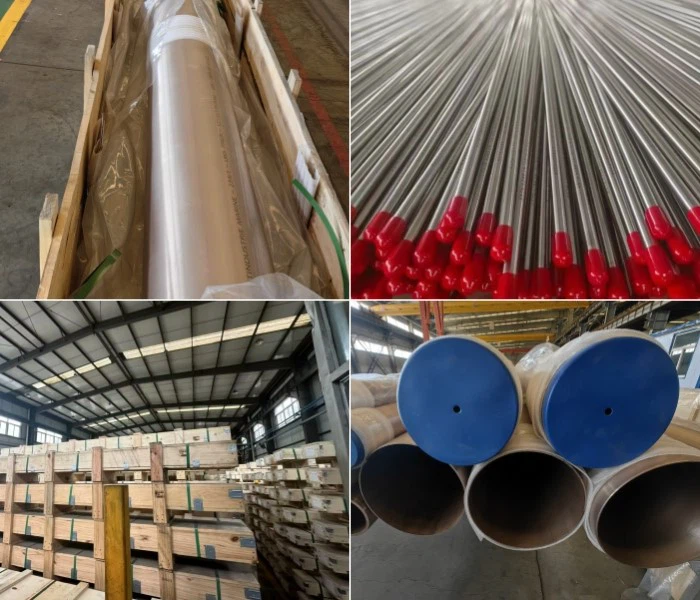
| Item | Method |
|---|---|
| Small diameter tubes (≤ 12 inch) | Waterproof paper + plastic bag + wooden case |
| Large diameter pipes (> 12 inch) | Plastic end caps + steel strip bundles + wooden pallets |
| Marking | Grade (C70600/C71500), size, schedule, heat number, standard (ASTM B111 / ASME SB466) |
Factory Equipment
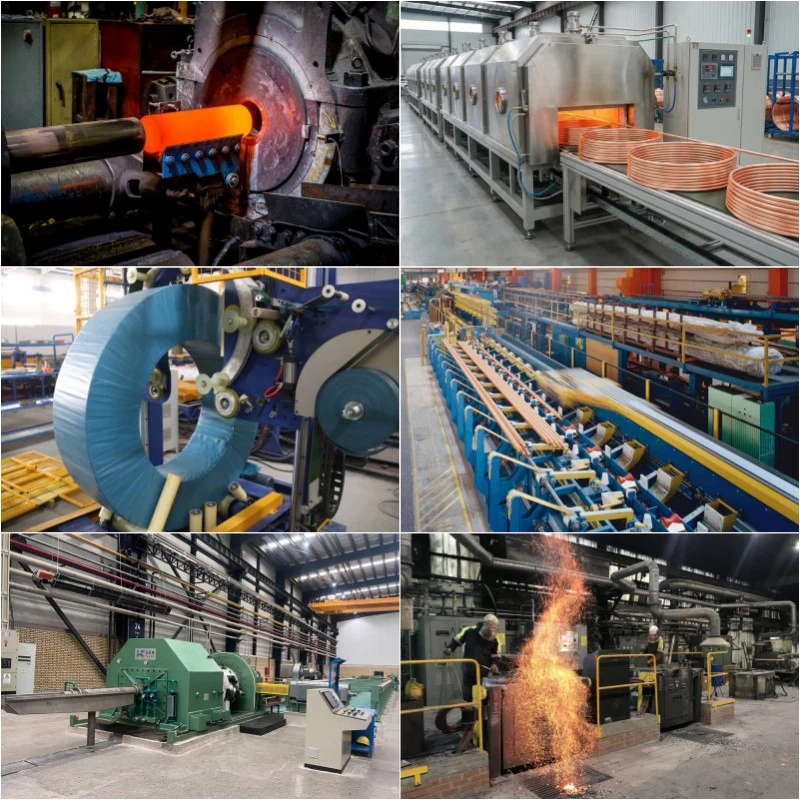
| Equipment | Purpose for Copper Nickel Production |
|---|---|
| Induction Melting Furnace | Precise control of c71500 chemical composition and C70600 composition |
| Continuous Casting Machine | Billet production |
| Extrusion Press | Hollow shell formation |
| Cold Pilger Mill | Tube diameter reduction |
| Draw Bench | Final sizing and surface finish |
| Annealing Furnace | Stress relief (700-825°C for both alloys) |
| Straightening Machine | Dimensional accuracy |
| NDT Equipment | Eddy current and ultrasonic testing |
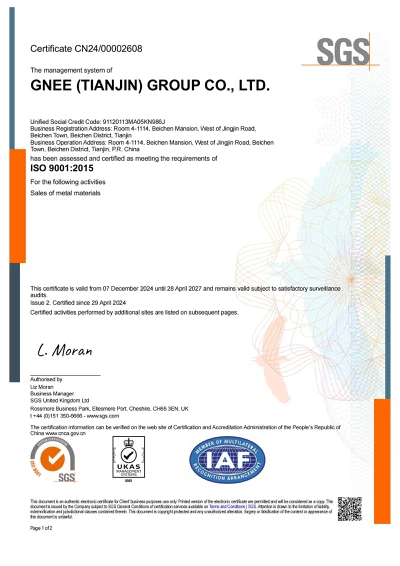
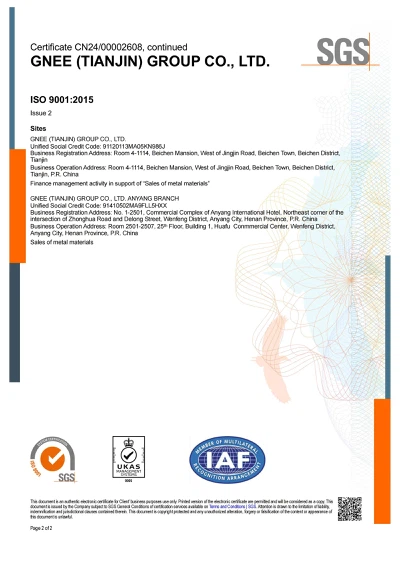
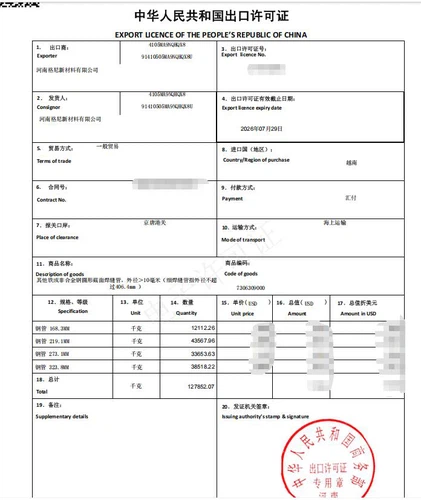
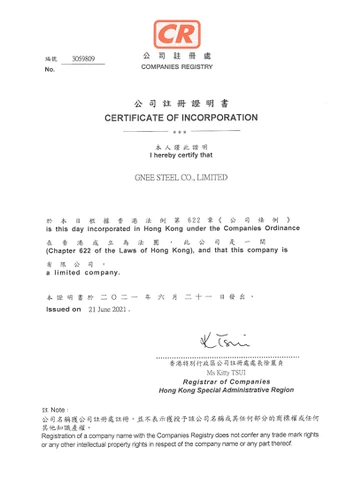
Certificates