In the industrial realm, copper wire stands as a cornerstone material, finding its application in a multitude of sectors such as electrical engineering, telecommunications, and automotive manufacturing. As an industrial copper wire supplier, I understand the critical role that proper packaging plays in ensuring the quality and integrity of our products during storage and transportation. In this blog post, I will delve into the various packaging methods for industrial copper wire, highlighting their advantages and appropriate use cases.
1. Spool Packaging
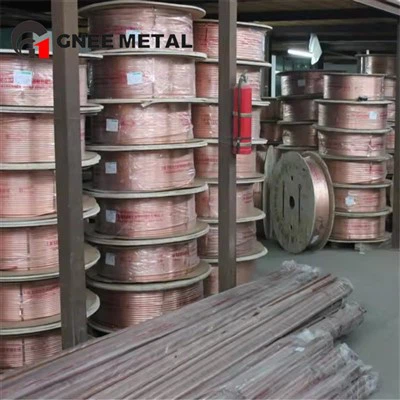
Spool packaging is one of the most common and widely used methods for industrial copper wire. Copper wire is wound around a spool, which can be made of materials such as plastic, wood, or metal. The spool provides a stable structure for the wire, preventing it from tangling and facilitating easy handling.
Advantages
- Space - efficient: Spools can be neatly stacked, allowing for efficient use of storage space. This is particularly beneficial for large - scale warehouses where space is at a premium.
- Easy handling: The design of the spool makes it easy to load and unload the wire using forklifts or other handling equipment. Workers can quickly move spools from one location to another without the risk of damaging the wire.
- Protection: The spool acts as a protective barrier, shielding the copper wire from physical damage during transportation and storage. It also helps to maintain the shape of the wire, ensuring that it remains in good condition until it reaches the end - user.
Use cases
Spool packaging is suitable for a wide range of copper wire applications. For example, in the electrical industry, spools of copper wire are commonly used for wiring installations in buildings. Cobalt Beryllium Copper Wire CuCo2Be UNS.C17500 is often packaged on spools for use in high - performance electrical components.
2. Coil Packaging
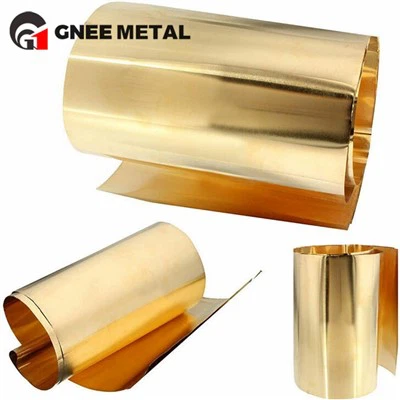
Coil packaging involves winding the copper wire into a coil. Coils can be either loose or tightly wound, depending on the specific requirements of the wire and its intended use.
Advantages
- Flexibility: Coils can be easily adjusted and cut to the desired length, providing flexibility in various applications. This is especially useful in industries where custom lengths of copper wire are required.
- Portability: Coils are generally more portable than spools, making them ideal for on - site projects or small - scale applications. They can be easily carried by workers to different locations.
- Cost - effective: Coil packaging is often more cost - effective than spool packaging, especially for smaller quantities of copper wire. This makes it a popular choice for hobbyists and small businesses.
Use cases
Coil packaging is commonly used for C26000 Copper Thin Wire, which is often used in electronics and telecommunications. The flexibility of the coil allows for easy integration into small - scale electronic devices.
3. Bundle Packaging
Bundle packaging involves grouping multiple lengths of copper wire together and securing them with straps or bands. Bundles can be made up of wires of the same or different sizes.


Advantages
- Customization: Bundle packaging allows for easy customization of the wire quantity and size. Customers can request bundles with specific lengths and gauges of copper wire to meet their exact needs.
- Visibility: Bundles provide better visibility of the wire compared to spools or coils. This makes it easier for workers to inspect the wire for any damage or defects before use.
- Efficient storage: Bundles can be stacked and stored in a compact manner, similar to spools. This helps to optimize storage space in warehouses.
Use cases
Bundle packaging is suitable for applications where a large quantity of copper wire is required, such as in construction projects. Solid Bare C72200 Copper Wire is often packaged in bundles for use in electrical wiring systems in buildings.
4. Vacuum Packaging
Vacuum packaging involves removing the air from the packaging container and sealing it to create a vacuum environment around the copper wire. This method is often used in combination with other packaging methods, such as spool or coil packaging.
Advantages
- Corrosion prevention: By removing the air, vacuum packaging reduces the exposure of the copper wire to oxygen and moisture, which are the main causes of corrosion. This helps to extend the shelf life of the wire and maintain its quality.
- Protection from contaminants: Vacuum packaging also protects the wire from dust, dirt, and other contaminants that could potentially damage the wire during storage and transportation.
- Enhanced product presentation: Vacuum - packed copper wire often has a more professional and clean appearance, which can be appealing to customers.
Use cases
Vacuum packaging is particularly useful for high - value or sensitive copper wire products. For example, copper wire used in aerospace or medical applications may require the extra protection provided by vacuum packaging.
5. Protective Film Packaging
Protective film packaging involves wrapping the copper wire with a layer of protective film. The film can be made of materials such as polyethylene or polypropylene.
Advantages
- Scratch protection: The protective film acts as a barrier, preventing the copper wire from getting scratched during handling and transportation.
- Moisture resistance: The film provides some level of moisture resistance, helping to protect the wire from corrosion.
- Easy identification: The film can be printed with product information, such as the wire gauge, length, and brand, making it easy for customers to identify the product.
Use cases
Protective film packaging is commonly used for copper wire products that are exposed to rough handling or harsh environments. It can be used in combination with other packaging methods to provide additional protection.
Conclusion
As an industrial copper wire supplier, choosing the right packaging method is crucial for ensuring the quality and integrity of our products. Spool packaging offers stability and easy handling, coil packaging provides flexibility and portability, bundle packaging allows for customization, vacuum packaging prevents corrosion, and protective film packaging offers scratch and moisture protection. By understanding the advantages and appropriate use cases of each packaging method, we can better meet the needs of our customers and ensure that our copper wire products reach them in the best possible condition.
If you are in the market for high - quality industrial copper wire, we invite you to contact us for a detailed discussion on your specific requirements. Our team of experts is ready to assist you in selecting the right copper wire product and packaging solution for your application.
References
- "Handbook of Copper and Copper Alloys"
- "Electrical Wiring Handbook"
- Industry standards and guidelines for copper wire packaging