What are the environmental impacts of copper alloy strip production?
As a supplier of copper alloy strips, I've witnessed firsthand the intricate balance between meeting market demands and minimizing environmental impacts. Copper alloy strips are widely used in various industries, from electronics to automotive, due to their excellent electrical conductivity, corrosion resistance, and mechanical properties. However, the production of these strips is not without its environmental challenges.
1. Raw Material Extraction
The journey of copper alloy strip production begins with the extraction of raw materials. Copper is primarily mined from sulfide and oxide ores. Mining operations have significant environmental impacts, including deforestation, soil erosion, and water pollution. Large - scale open - pit mines can disrupt entire ecosystems, destroying habitats for countless plant and animal species. The use of heavy machinery in mining also consumes a substantial amount of fossil fuels, contributing to greenhouse gas emissions.
For instance, the extraction of copper often involves the use of chemicals such as sulfuric acid in the leaching process. These chemicals can contaminate nearby water sources, affecting aquatic life and making water unfit for human consumption. Moreover, the waste rock and tailings generated from mining operations can contain heavy metals and other pollutants. If not properly managed, these can seep into the soil and groundwater, posing long - term environmental risks.
2. Energy Consumption in Production
The production of copper alloy strips is an energy - intensive process. Melting and refining copper require high temperatures, which are typically achieved through the combustion of fossil fuels such as coal, natural gas, or oil. This energy consumption not only depletes finite energy resources but also releases large amounts of carbon dioxide and other pollutants into the atmosphere.
In addition to the energy used in melting and refining, the rolling and processing steps also consume a significant amount of electricity. The continuous operation of rolling mills and other processing equipment requires a stable power supply, often sourced from non - renewable energy sources. This high energy demand contributes to the overall carbon footprint of copper alloy strip production.
3. Emissions and Pollution
During the production process, various emissions are released into the environment. In the melting and refining stages, sulfur dioxide is a major pollutant. Sulfur dioxide can react with water vapor in the atmosphere to form acid rain, which can damage forests, lakes, and buildings. Other pollutants such as particulate matter and heavy metals like lead and mercury may also be emitted during the production process.
The surface treatment of copper alloy strips, which is often done to improve their appearance and corrosion resistance, can also generate chemical waste. For example, electroplating processes use a variety of chemicals, some of which are toxic and can contaminate water and soil if not properly disposed of.
4. Waste Generation
Copper alloy strip production generates a significant amount of waste. This includes scrap metal from the cutting and trimming processes, as well as waste from surface treatment operations. While some of the scrap metal can be recycled, a considerable portion may end up in landfills if not managed properly.

The waste generated from surface treatment, such as spent chemicals and sludges, can be particularly hazardous. These wastes often contain heavy metals and other toxic substances that require special handling and disposal methods to prevent environmental contamination.
5. Water Usage
Water is an essential resource in copper alloy strip production. It is used for cooling, cleaning, and various chemical processes. However, the large - scale use of water can put a strain on local water supplies, especially in regions where water is scarce. Additionally, the water used in production can become contaminated with chemicals and heavy metals, which need to be treated before being discharged back into the environment.
Mitigation Strategies
As a responsible copper alloy strip supplier, we are committed to minimizing the environmental impacts of our production processes. Here are some of the strategies we have implemented:
- Recycling: We actively promote the recycling of scrap copper alloy strips. Recycling not only reduces the demand for virgin copper but also consumes less energy compared to primary production. By recycling, we can significantly reduce the environmental footprint associated with raw material extraction.
- Energy Efficiency: We are constantly investing in energy - efficient technologies and equipment. For example, we have upgraded our melting furnaces to use less energy and have installed energy - recovery systems to capture and reuse waste heat.
- Pollution Control: We have implemented strict pollution control measures to reduce emissions and waste generation. Our production facilities are equipped with advanced air pollution control systems to capture and treat sulfur dioxide and other pollutants. We also have a comprehensive waste management system in place to ensure proper disposal of chemical waste.
- Water Conservation: We have implemented water - saving measures in our production processes. For example, we use closed - loop water systems for cooling, which reduces water consumption and minimizes the discharge of contaminated water.
Our Product Range
We offer a wide range of high - quality copper alloy strips to meet the diverse needs of our customers. Some of our popular products include:
- High Definition Lightning Copper Tape: This tape is known for its excellent electrical conductivity and is widely used in lightning protection systems.
- Thin C61900 Copper Tape: With its unique properties, this thin copper tape is suitable for various electronic applications.
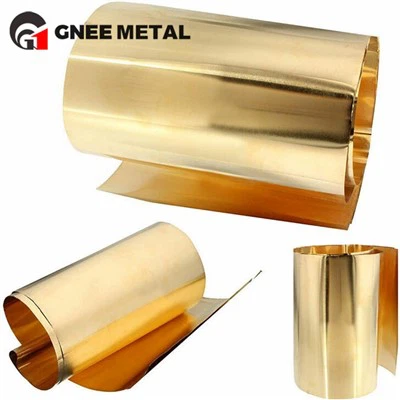
- Copper Flexible Strip: Our copper flexible strip is highly flexible and can be easily bent and shaped, making it ideal for applications where flexibility is required.
Conclusion
The production of copper alloy strips has significant environmental impacts, but through responsible practices and continuous improvement, we can minimize these impacts. As a supplier, we are committed to balancing economic development with environmental protection. We believe that by working together with our customers and partners, we can create a more sustainable future for the copper alloy strip industry.
If you are interested in our copper alloy strip products or have any questions about our environmental practices, we welcome you to contact us for further discussion and potential procurement opportunities.
References
- "Copper Production and the Environment", International Copper Association.
- "Environmental Impacts of Metal Mining and Smelting", United Nations Environment Programme.
- "Energy Efficiency in the Metal Industry", World Bank.