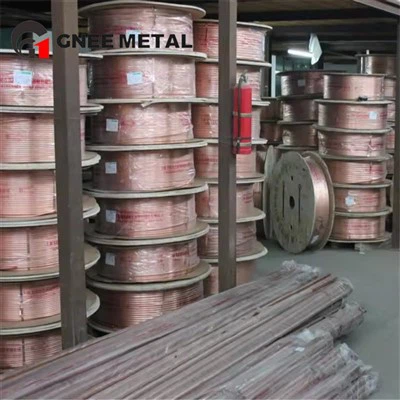
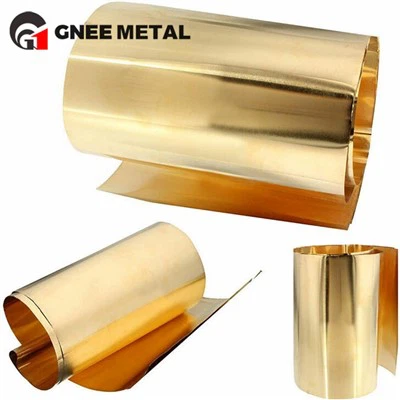
Dead soft copper is a remarkable material that has long been favored in electrical wiring applications. As a leading supplier of dead soft copper, I am excited to share with you the numerous advantages of using this exceptional material in electrical systems.
Excellent Electrical Conductivity
One of the most significant advantages of dead soft copper in electrical wiring is its outstanding electrical conductivity. Copper is known for its high conductivity, which allows for efficient transmission of electrical current with minimal resistance. Dead soft copper, with its pure and refined composition, further enhances this property. When compared to other materials, such as aluminum, copper has a much lower resistivity, meaning that it can carry more electrical current without significant power loss. This results in more efficient electrical systems, reduced energy consumption, and lower operating costs.
For instance, in a typical electrical circuit, the use of dead soft copper wiring can ensure that the electrical current flows smoothly from the power source to the various components. This is crucial in applications where precision and reliability are essential, such as in industrial machinery, electronic devices, and residential electrical systems. The high conductivity of dead soft copper also helps to prevent overheating, which can lead to electrical fires and other safety hazards.


Flexibility and Ductility
Dead soft copper is highly flexible and ductile, making it easy to work with in electrical wiring applications. It can be bent, twisted, and shaped without breaking or cracking, allowing for easy installation in tight spaces and complex configurations. This flexibility is particularly beneficial in applications where the wiring needs to be routed around obstacles or through narrow conduits.
In addition, the ductility of dead soft copper allows it to be drawn into thin wires without losing its strength or electrical properties. This makes it an ideal material for use in small-gauge wires, such as those used in electronic devices and telecommunications systems. The ability to create thin wires with high conductivity is essential in these applications, as it allows for the miniaturization of electronic components and the transmission of high-speed data.
Resistance to Corrosion
Another advantage of dead soft copper in electrical wiring is its excellent resistance to corrosion. Copper naturally forms a protective oxide layer on its surface, which helps to prevent further oxidation and corrosion. This makes it suitable for use in a wide range of environments, including those with high humidity, saltwater, and other corrosive substances.
In outdoor electrical installations, such as power lines and streetlights, the resistance to corrosion is particularly important. Dead soft copper wiring can withstand the harsh elements and maintain its electrical performance over an extended period of time. This reduces the need for frequent maintenance and replacement, resulting in cost savings and increased reliability.
Thermal Conductivity
Dead soft copper also has good thermal conductivity, which is beneficial in electrical wiring applications. It can efficiently transfer heat away from the electrical components, preventing overheating and ensuring the proper functioning of the system. This is especially important in high-power applications, such as electric motors and transformers, where heat dissipation is critical.
In addition, the thermal conductivity of dead soft copper helps to improve the overall energy efficiency of the electrical system. By dissipating heat more effectively, the system can operate at a lower temperature, reducing the energy consumption and extending the lifespan of the components.
Compatibility with Other Materials
Dead soft copper is compatible with a wide range of other materials commonly used in electrical wiring, such as insulation materials and connectors. This makes it easy to integrate into existing electrical systems or to design new systems. The compatibility also ensures a reliable and secure connection between the copper wiring and other components, reducing the risk of electrical failures and short circuits.
For example, when using dead soft copper wiring in combination with insulation materials, such as PVC or rubber, the copper wire provides a stable and reliable electrical connection, while the insulation material protects the wire from damage and prevents electrical shocks. The compatibility between the copper wire and the insulation material also helps to maintain the integrity of the electrical system over time.
Availability and Cost-Effectiveness
Dead soft copper is widely available in the market, making it a cost-effective choice for electrical wiring applications. It is produced in large quantities and can be easily sourced from various suppliers. The availability of dead soft copper also ensures that it can be obtained in different sizes and specifications to meet the specific requirements of different applications.
In addition, the cost of dead soft copper is relatively stable compared to other materials, such as silver or gold. This makes it a more affordable option for electrical wiring, especially in large-scale projects. The cost-effectiveness of dead soft copper, combined with its numerous advantages, makes it a popular choice for electrical contractors, engineers, and homeowners alike.
Conclusion
In conclusion, the advantages of using dead soft copper in electrical wiring are numerous and significant. Its excellent electrical conductivity, flexibility, resistance to corrosion, thermal conductivity, compatibility with other materials, and cost-effectiveness make it an ideal choice for a wide range of electrical applications. Whether you are installing a new electrical system or upgrading an existing one, dead soft copper wiring can provide you with reliable and efficient performance.
If you are interested in learning more about our dead soft copper products or would like to discuss your specific electrical wiring needs, please feel free to [initiate a contact for procurement discussion]. We are committed to providing high-quality dead soft copper products and excellent customer service.
References
- "Electrical Conductivity of Copper." Copper Development Association.
- "Properties of Dead Soft Copper." American Society for Testing and Materials.
- "Corrosion Resistance of Copper in Electrical Applications." International Copper Association.