Is exposed copper wire magnetic? This is a question that often pops up in the minds of many, especially those in industries where copper wire is a staple. As a supplier of exposed copper wire, I've had my fair share of customers asking about this very topic. So, let's dive right in and explore whether exposed copper wire is magnetic or not.
First off, let's understand a bit about copper itself. Copper is a well - known metal with a wide range of applications, from electrical wiring to plumbing. It's highly conductive, malleable, and corrosion - resistant. But when it comes to magnetism, copper is what we call a diamagnetic material.
Diamagnetic materials are those that create an induced magnetic field in the opposite direction of an applied magnetic field. In simpler terms, when you put a copper wire near a magnet, it will generate a weak magnetic field that opposes the external magnetic field. However, this effect is extremely weak. You won't be able to pick up a copper wire with a regular magnet like you can with iron or steel.
The reason behind copper's diamagnetic nature lies in its atomic structure. Each copper atom has electrons that are arranged in such a way that when an external magnetic field is applied, the electrons move in a way that creates a small opposing magnetic field. But this field is so weak that it's almost negligible in most practical situations.
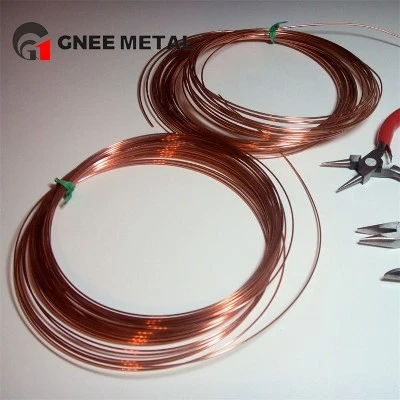
Now, you might be wondering if there are any exceptions. Well, in some cases, if the copper wire has impurities or is alloyed with other magnetic materials, it might show some magnetic properties. For example, if the copper wire is mixed with a small amount of iron or nickel, it could become slightly magnetic. But pure copper wire, like the Pure Copper Wire we supply, is essentially non - magnetic.
Let's talk about the implications of this non - magnetic property. In electrical applications, the non - magnetic nature of copper is actually a huge advantage. It means that copper wire won't interfere with magnetic fields in electronic devices. This is crucial in things like transformers, motors, and other electrical components where magnetic fields are carefully controlled.

On the other hand, if you're in an industry where you need a magnetic material, copper probably isn't the best choice. For instance, in magnetic shielding applications, you'd want to use materials like iron or nickel.
Another interesting aspect to consider is the thermal conductivity of copper. Copper is known for its excellent thermal conductivity, which is why it's used in heat exchangers and other thermal management systems. The H80 Brass Wire Thermal Conductivity is also quite good, and brass is an alloy of copper and zinc. This combination of high thermal conductivity and non - magnetic properties makes copper and its alloys very versatile in various industries.
Now, let's look at some of the specific types of copper wire we supply. Our C28000 Copper Lead Wire is a high - quality product that has all the benefits of copper, including its non - magnetic nature. It's commonly used in electrical connections and other applications where a reliable and non - magnetic wire is required.
If you're in the market for exposed copper wire, you'll want to make sure you're getting a product that meets your specific needs. Whether you're an electrical engineer, a hobbyist, or a manufacturer, having a non - magnetic wire can make a big difference in your projects.
So, to sum it up, exposed copper wire is generally non - magnetic. Its diamagnetic properties make it a great choice for a wide range of electrical and thermal applications. And as a supplier, we're committed to providing high - quality copper wire that meets the highest standards.
If you're interested in purchasing our exposed copper wire, we'd love to have a chat with you. We can discuss your requirements, answer any questions you might have, and help you find the perfect product for your needs. Don't hesitate to reach out and start a conversation about your copper wire needs.
References
- "Introduction to Materials Science for Engineers" by James F. Shackelford
- "Electrical Engineering Handbook" by Richard C. Dorf