

1.Physical testing methods
Physical detection methods mainly include atomic absorption spectrophotometry, colorimetric method, inductively coupled plasma atomic emission spectrometry and so on. Atomic absorption spectrophotometry is widely used in the routine testing of copper and copper alloys because of its easy operation and high sensitivity. Colorimetry and inductively coupled plasma atomic emission spectrometry are also commonly used physical detection methods, which can quickly and accurately determine the elemental content of copper and copper alloys.
2. Chemical analysis methods
Chemical analysis methods are mainly used to determine the copper content in copper and copper alloys. Commonly used chemical analysis methods include iodometric method and electrolysis + Inductively Coupled Plasma Emission Spectrometry (ICPES). The iodometric method generates precipitate and iodine through chemical reaction, and then titrates with standard solution, which is suitable for the determination of copper content in copper alloys. Electrolysis + Inductively Coupled Plasma Emission Spectrometry (ICPES) is an optimized method that greatly reduces testing time and improves testing efficiency and accuracy by combining electrolysis and spectroscopic analysis. The chemical analysis team at Jinjian Labs has extensive experience in accurately determining the content of various elements in copper and copper alloys.

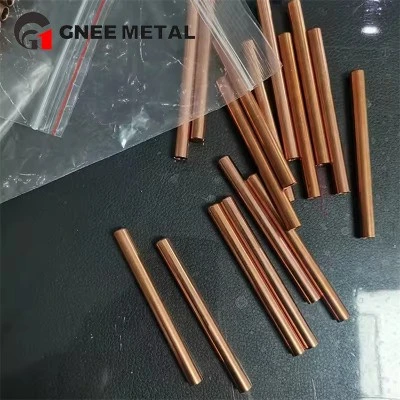
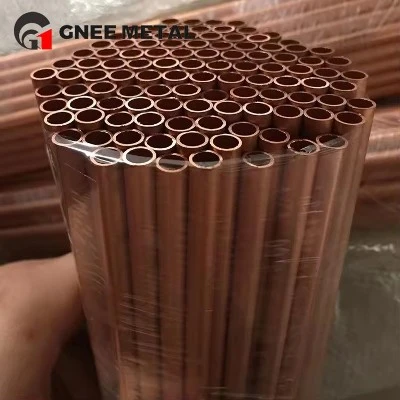
Testing items for copper and copper alloys
1.Chemical composition analysis
Chemical composition analysis is to accurately determine the content of various elements in copper alloys through spectral analysis techniques. Jinjian Laboratory can provide comprehensive chemical composition analysis services to ensure that the composition and elemental content of copper alloys comply with the industry standards, and provide scientific basis for customers' production and application.
2.Mechanical properties testing
Mechanical property test is an important index to measure the quality of copper alloy, including hardness, tensile strength, yield strength, etc.. Through the mechanical property test, the bearing capacity and reliability of copper alloy in actual use can be assessed to ensure that it can meet the needs of different application scenarios.
3. Corrosion resistance assessment
Corrosion resistance assessment is to simulate various corrosive environments to test the corrosion resistance of copper alloys. This assessment can determine the scope of application and service life of copper alloy under different environmental conditions and provide scientific basis for the application of copper alloy.
4.Metallographic Organization Analysis
Metallographic analysis is a key means to understand the microstructure, grain size and distribution of copper alloys. The metallographic structure of copper alloy has a direct impact on its performance, through metallographic analysis can optimize the production process of copper alloy, improve its performance and quality.
5.Non-destructive testing
Non-destructive testing techniques include ultrasonic testing, ray testing, magnetic particle testing and so on. These techniques can find the defects and abnormalities inside the copper alloy without damaging the material. Non-destructive testing plays an important role in ensuring the integrity and reliability of copper alloy products, especially in the detection of key components is indispensable.


