

The choice of refrigeration tubing is crucial in the design of a modern refrigerator. Iron and aluminum tubing are common options, but they each have their merits. Copper tubing, with its superior performance, is the preferred choice for many refrigerator repairs and upgrades.
Three major advantages of copper tubing:
Superior Thermal Conductivity: copper is a natural thermal conductor that far exceeds other metals. In a refrigeration system, this means that copper tubing is able to conduct heat faster, which improves cooling efficiency.
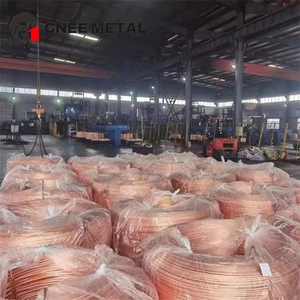
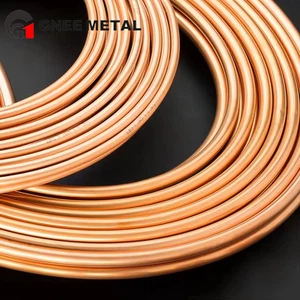
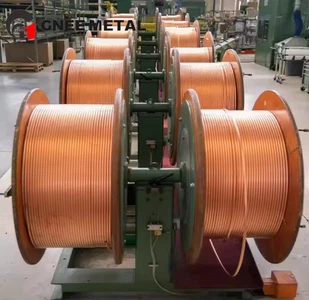
Corrosion Resistance: Copper tubing is highly resistant to humid environments and is not easily corroded. This ensures long-term stable operation of the refrigeration system and reduces maintenance costs.
High strength: Copper tubes have high strength and can withstand high pressure and tension. This is crucial in refrigeration systems where copper tubing is required to withstand the high pressure of the refrigerant.
Shortcomings of Aluminum Tubing:
Aluminum tubing, while lightweight, is inferior to copper tubing in terms of effectiveness and durability. Aluminum line compressors typically have low energy efficiency, poor ability to carry loads, generate a lot of heat, and have a relatively short service life.
Understanding these differences can help you make a more informed decision when choosing a refrigerator. Copper-tube refrigerators are not only superior in cooling performance, but they are also durable, making them ideal for those seeking a high quality of life.


