

Gas water heaters are popular among many families for their high power, large water output, instant heating, low cost, and space-saving installation. However, when purchasing a gas water heater, consumers often overlook the material of the heat exchanger. As a core component of a gas water heater, the quality of the heat exchanger directly impacts the performance and lifespan of the unit. In the water heater market, mainstream brands tend to use copper heat exchange tubes.
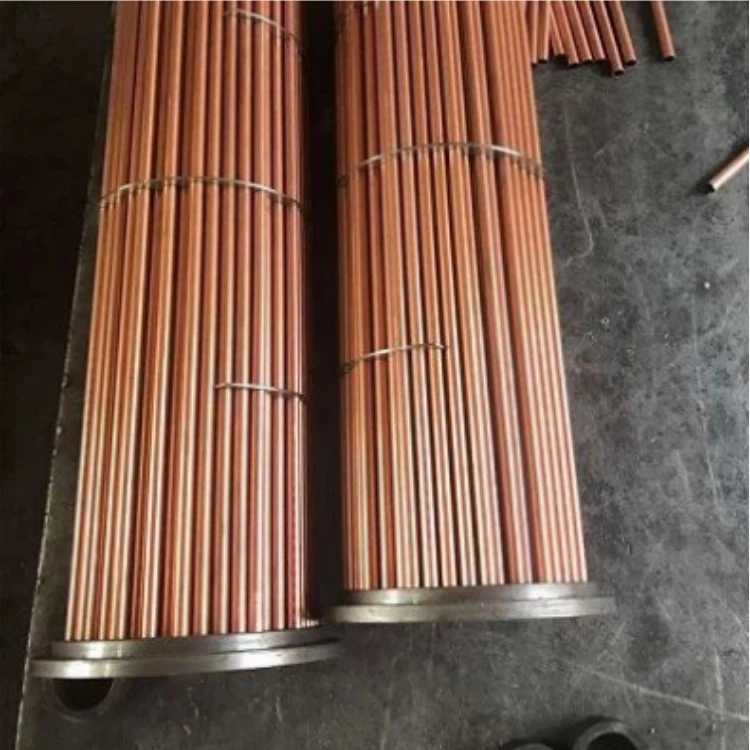
Advantages of Copper Heat Exchange Tubes
It is understood that the core function of copper heat exchange tubes is to efficiently transfer heat generated by gas combustion to water. The quality of their thermal conductivity directly affects the heat transfer effect. Copper's high thermal conductivity, stable expansion and contraction characteristics, and good processing properties make it an excellent material for gas water heater heat exchangers. In fact, the industry has used copper as a heat exchanger material for many years. Copper's thermal conductivity is as high as 400 W/mK, second only to silver and far exceeding 304 stainless steel. This means that copper heat exchange tubes have significant advantages in heat transfer.
Copper demonstrates superior performance in water heater heat exchangers from four perspectives. First, in terms of fundamental performance, copper's high thermal conductivity facilitates efficient heat transfer. Second, in terms of production technology, stainless steel heat exchangers are difficult to manufacture, requiring stringent internal structure and welding procedures. Copper, however, offers excellent ductility and weldability, facilitating a smoother manufacturing process and improving overall unit quality. Furthermore, copper's excellent ductility and weldability facilitate a smoother manufacturing process and enhance overall unit quality. Corrosion resistance is also a key advantage of copper. China's tap water is widely disinfected with liquid chlorine. While steel can be corroded by chloride ions, copper is highly resistant to this corrosion.
Analysis of the Steel-Replacing-Copper Phenomenon
However, in recent years, a trend of "steel replacing copper" has emerged in the market. Regarding this phenomenon, reporters conducted in-depth discussions with the International Copper Association and several water heater partners. These companies emphasized that copper remains indispensable in water heater heat exchanger manufacturing. Despite the challenges posed by rising copper prices, alternative materials have not successfully challenged copper's dominance.
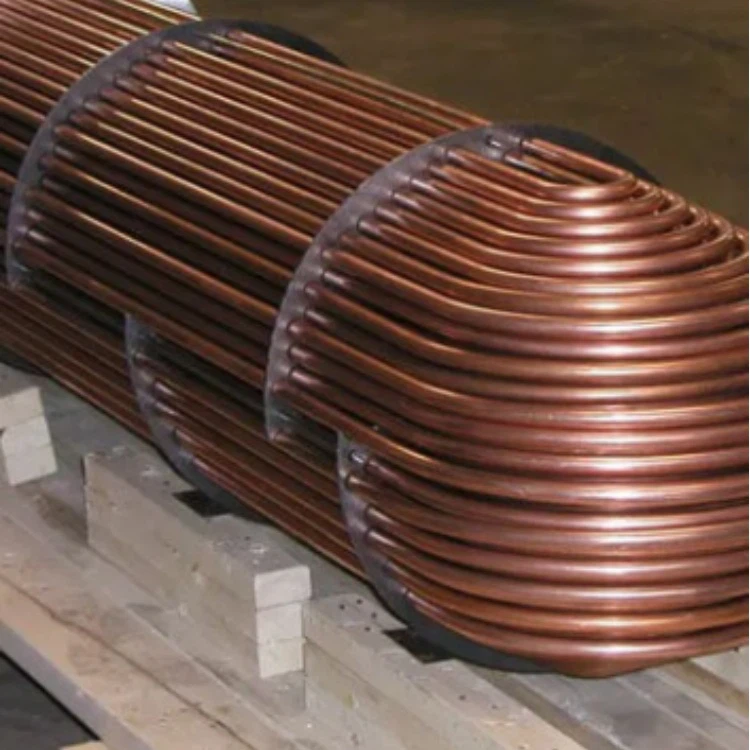
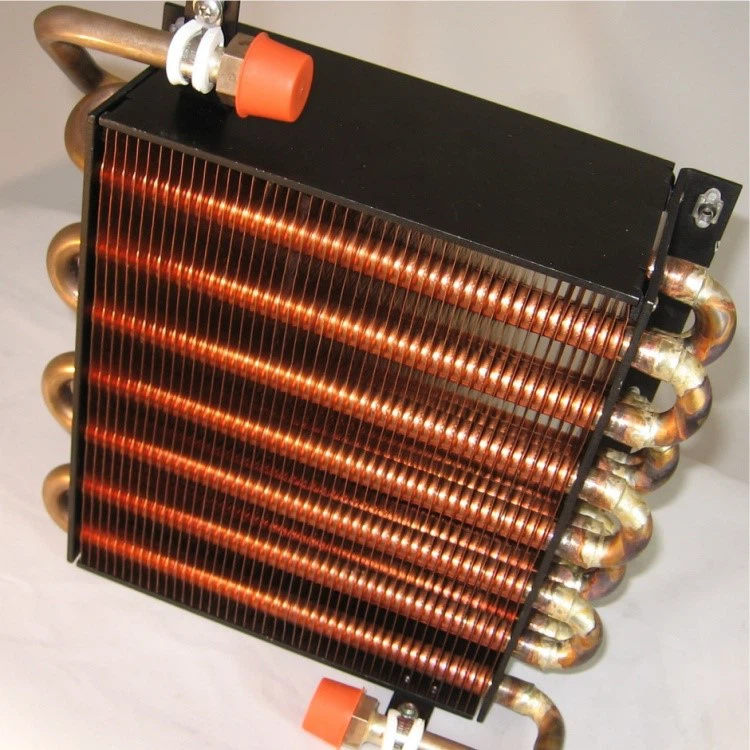
Environmentally Friendly Properties of Copper Heat Exchange Tubes
From an environmental perspective, copper is a 100% recyclable, green and environmentally friendly material. Copper is a 100% recyclable, environmentally friendly material with a higher recycling value than stainless steel, which can only be recycled as scrap metal. Furthermore, copper ions effectively kill bacteria, ensuring safety and enhancing the user experience.
Thermal Conductivity and Corrosion Resistance of Copper Heat Exchange Tubes
Materials experts point out that gas water heaters, due to their unique operating environment, place stringent requirements on thermal conductivity, ductility, and corrosion resistance. While the industry has experimented with using steel, magnesium, aluminum, and alloys to produce heat exchangers, the results have been unsatisfactory. Copper's excellent thermal conductivity and good corrosion resistance make it an outstanding material for gas water heaters. Copper is particularly effective in resisting chloride ion corrosion in water, thereby extending the life of the equipment. Oxygen-free copper, a type of pure copper, contains no oxygen or any deoxidizer residues and offers excellent electrical conductivity, processability, weldability, corrosion resistance, and low-temperature performance. This feature helps reduce the growth of bacteria in the water system of gas water heaters, thereby ensuring consumers' bathing safety and optimizing the user experience of gas water heaters.

The company has a cluster of leading copper processing production lines in China, including:
German imported precision copper tube production line (annual output of 30,000 tons)
Japanese technology copper foil rolling line (thinnest up to 6μm)
Fully automatic copper bar continuous extrusion line
Intelligent copper sheet and strip finishing mill unit
Digitalized control and management of the whole production process is realized through MES system, and the dimensional accuracy of the products can reach ±0.01mm.


