

Excellent Performance for Seawater and Industrial Piping Systems
Copper nickel flanges are mainly composed of copper and nickel with small amounts of other strengthening elements. The two most popular grades are UNS C70600 (90/10 copper nickel) and UNS C71500 (70/30 copper nickel).
UNS C70600 flanges offer stable and reliable performance across a wide temperature range. They maintain good strength at moderate to elevated temperatures, while at low temperatures they retain excellent mechanical properties and weldability. These flanges also provide high resistance to stress corrosion and erosion, combined with accurate dimensions and good fabricability. As a result, they are widely used in seawater systems, aerospace, oil and gas, chemical processing, and power generation industries.
Specifications & Standards
| Standard | UNS Number | Common Name |
|---|---|---|
| ASTM / ASME SB 111 | C70600 | Cu-Ni 90/10 |
| ASTM / ASME SB 466 | C71500 | Cu-Ni 70/30 |
Chemical Composition
| Alloy | Copper (Cu) | Nickel (Ni) | Iron (Fe) | Manganese (Mn) | Lead (Pb) |
|---|---|---|---|---|---|
| UNS C70600 | ~ 89.0% | 9.0 - 11.0% | 1.0 - 1.8% | 1.0% Max. | 0.05% Max. |
| UNS C71500 | ~ 69.0% | 29.0 - 33.0% | 0.4 - 1.0% | 1.0% Max. | 0.05% Max. |
Mechanical Properties (Annealed)
| Property | UNS C70600 | UNS C71500 |
|---|---|---|
| Tensile Strength (MPa) | 275 Min. | 275 Min. |
| Yield Strength (MPa) | 105 Min. | 105 Min. |
| Elongation (%) | 40 Min. | 40 Min. |
| Hardness (HRB) | ~ 50 | ~ 55 |
Physical Properties
| Property | Value |
|---|---|
| Density (g/cm³) | 8.94 |
| Melting Point (Liquidus) | 1150°C |
| Thermal Conductivity (W/m·K) | 40 |
| Electrical Conductivity (% IACS) | 9.1 |
| Modulus of Elasticity (GPa) | 140 |
Flange Types Available
| Flange Type | C70600 | C71500 |
|---|---|---|
| Weld Neck Flange | ✓ | ✓ |
| Socket Weld Flange | ✓ | ✓ |
| Threaded Flange | ✓ | ✓ |
| Blind Flange | ✓ | ✓ |
| Slip On Flange | ✓ | ✓ |
| Lap Joint Flange | ✓ | ✓ |
| Spectacle Blind Flange | ✓ | ✓ |
Supply Range (ASME B16.5)
| Parameter | Range |
|---|---|
| Diameter | 1/2 to 24 Inch / DN15 – DN600 |
| Pressure Class | 150, 300, 600, 900, 1500, 2500 |
| Seal Face Type | Raised Face (RF), Ring Type Joint (RTJ), Flat Face (FF) |
| Schedule Thickness | Sch 10S, 20, STD, 40, XS, 80, 160, XXS |
Applications by Industry
| Industry | Typical Use |
|---|---|
| Marine / Shipbuilding | Seawater piping, heat exchangers, condensers |
| Oil & Gas | Offshore platforms, refineries, fire water systems |
| Power Generation | Cooling water systems, condenser tubes |
| Chemical Processing | Corrosive fluid handling, pressure vessels |
| Desalination | Multi-stage flash desalination units |
| Aerospace | Hydraulic lines, fuel systems |
Corrosion Resistance Comparison
| Environment | C70600 (90/10) | C71500 (70/30) |
|---|---|---|
| Clean Seawater (low velocity) | Excellent | Excellent |
| Clean Seawater (high velocity up to 3.5 m/s) | Good | Superior |
| Polluted Seawater (H2S / Ammonia) | Less Resistant | Preferred |
| Crevice Corrosion | Resistant | Highly Resistant |
| Stress Corrosion Cracking | Highly Resistant | Highly Resistant |
Fabrication Properties
| Property | C70600 | C71500 |
|---|---|---|
| Cold Workability | Excellent | Excellent |
| Hot Workability | Good | Good |
| Machinability Rating (% of free-cutting brass) | 20% | 20% |
| Welding (GTAW/TIG) | Excellent | Excellent |
| Soldering | Excellent | Excellent |
| Brazing | Good | Good |
| Annealing Temperature (°C) | 700 - 825 | 700 - 825 |
| Hot Working Temperature (°C) | 850 - 950 | 850 - 950 |
Manufacturing Process (Forged Flanges)
| Step | Description |
|---|---|
| 1. Raw Material Cutting | Copper nickel billet cut to specified weight |
| 2. Heating | Billet heated to forging temperature (850-950°C) |
| 3. Forging | Shaped into flange blank using forging press |
| 4. Heat Treatment | Annealing at 700-825°C to relieve stress |
| 5. Machining | CNC machining to precise dimensions |
| 6. Drilling | Bolt holes drilled per ASME B16.5 |
| 7. Marking | Grade, size, pressure class, heat number stamped |
| 8. Inspection | Dimensional and visual inspection |
| 9. Coating | Anti-rust oil applied |
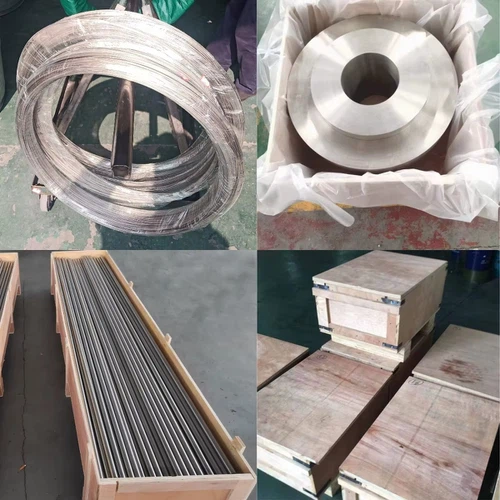
| 10. Packaging | Wooden case or pallet for shipment |
Detection
| Inspection Item | Method / Standard |
|---|---|
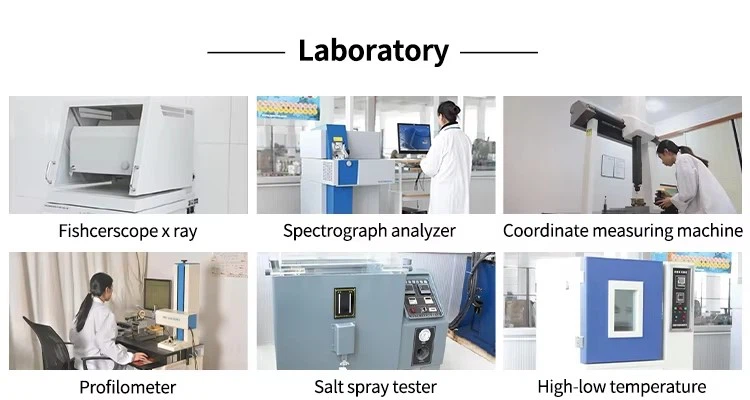
| Chemical Composition | Spectrometer analysis |
| Mechanical Properties | Tensile, hardness, flattening test |
| Dimensions | Vernier caliper, micrometer, gauge |
| Visual Inspection | Surface defects, cracks, porosity |
| NDT (Optional) | Ultrasonic or eddy current testing |
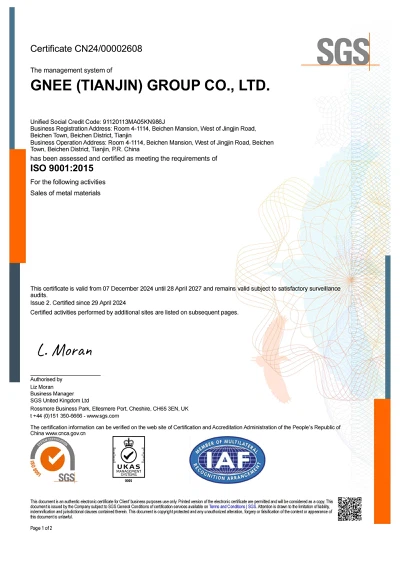
| Inspection Certificate | EN 10204-3.1 (Test Certificate) |
| Third Party Inspection | SGS, BV, or as customer requested |
Packaging
| Item | Method |
|---|---|
| Small Size (≤ 12") | Anti-rust oil + plastic film + carton + wooden case |
| Large Size (> 12") | Anti-rust oil + plastic film + wooden pallet |
| Marking | Grade, UNS number, size, pressure class, heat number |
| Documents | Packing list, mill test certificate, commercial invoice |
Factory Equipment
| Equipment | Purpose |
|---|---|
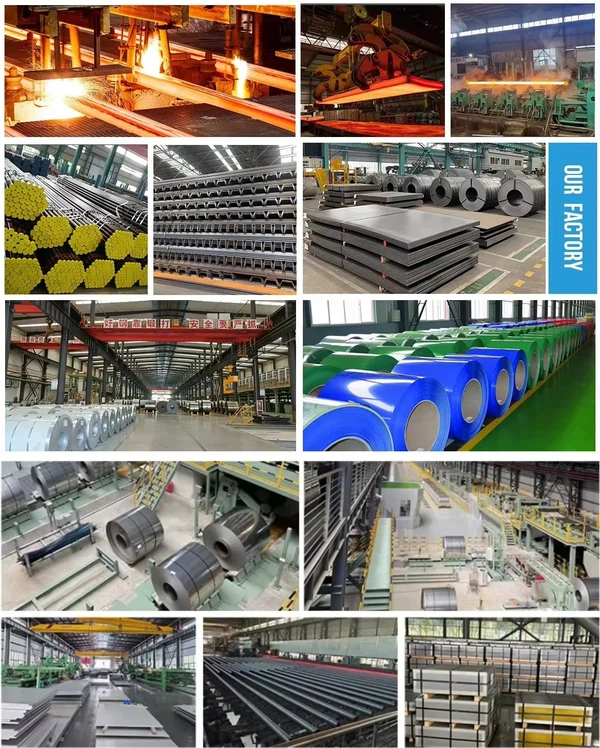
| Induction Furnace | Melting raw materials for precise composition |
| Forging Press | Shaping flange blanks with fine internal structure |
| Heat Treatment Furnace | Annealing to achieve desired mechanical properties |
| CNC Lathe | Precision machining of flange faces and bores |
| Drilling Machine | Bolt hole drilling per ASME B16.5 |
| Marking Machine | Product identification stamping |
| CMM (Coordinate Measuring Machine) | Dimensional accuracy verification |
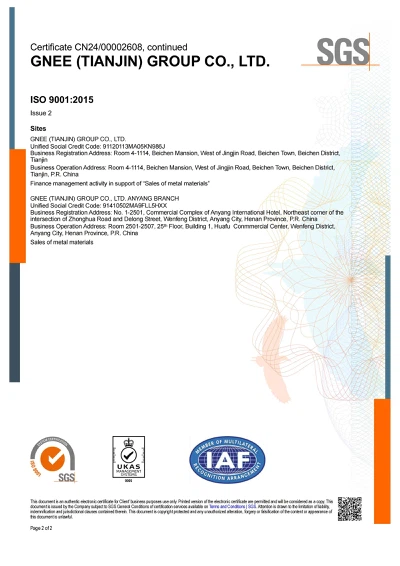
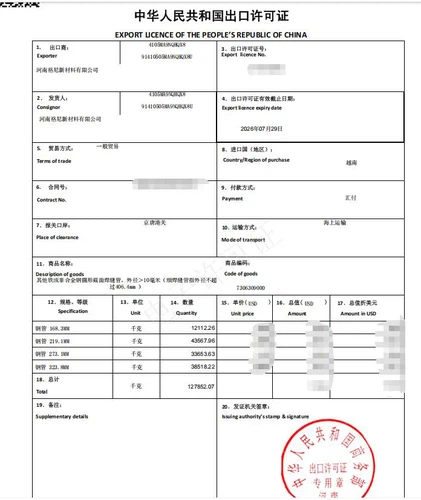
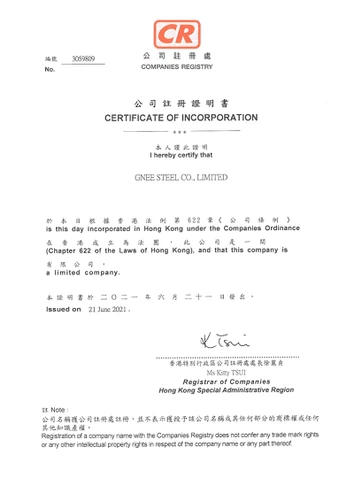
Certificates
FAQ
1. What is the difference between UNS C70600 and UNS C71500 copper nickel flanges?
UNS C70600 (90/10 copper nickel) contains 90% copper and 10% nickel, offering excellent biofouling resistance. UNS C71500 (70/30 copper nickel) contains 70% copper and 30% nickel, providing higher strength and superior resistance to impingement corrosion in high-velocity seawater.
2. What pressure classes are available for ASTM B466 C70600 weld neck flanges?
ASTM B466 C70600 weld neck flanges are available in pressure classes 150, 300, 600, 900, 1500, and 2500 as per ASME B16.5.
3. Does C71500 material require post-weld heat treatment after flange attachment?
No. C71500 material does not require post-weld heat treatment after welding using conventional methods such as GTAW/TIG.
4. What is the typical lead time for Cu-Ni 90/10 alloy blind flanges?
The typical lead time for Cu-Ni 90/10 alloy blind flanges is within 15 days after order confirmation.
5. Can UNS C70600 slip on flanges be used in seawater piping systems?
Yes. UNS C70600 slip on flanges are widely used in seawater piping systems due to their excellent corrosion resistance and resistance to marine biofouling.
6. What seal face types are available for C71500 threaded flanges?
For C71500 threaded flanges, available seal face types include Raised Face (RF), Ring Type Joint (RTJ), and Flat Face (FF) as per ASME B16.5.
7. How does the machinability of copper nickel 70/30 compare to 90/10 for flange production?
70/30 copper nickel machinability is rated at 20% of free-cutting brass, similar to 90/10. However, C71500 requires slightly more powerful tooling due to its higher strength and hardness.
8. Are third-party inspection reports available for sb111 c71500 flanges?
Yes. Third-party inspection reports (e.g., SGS, BV) for sb111 c71500 flanges are available upon customer request.
9. What is the standard outer diameter range for asme sb466 c715 lap joint flanges?
Standard outer diameter for asme sb466 c715 lap joint flanges ranges from 1/2 inch to 24 inch (DN15 to DN600).
10. Why choose forged copper nickel flanges over cast flanges?
Forged copper nickel flanges have finer internal grain structure, fewer voids, and better mechanical performance compared to cast flanges, allowing them to withstand higher pressures and more demanding service conditions.
11. What is the density of C71500 and why does it matter for flange weight calculation?
The c71500 density is 8.94 g/cm³. This is essential for calculating flange weight for shipping and logistics planning.
12. Can copper nickel 70/30 flanges be used in polluted seawater with hydrogen sulfide?
Copper nickel 70/30 (C71500) is preferred over 90/10 for polluted seawater containing H2S or ammonia, though it is not completely immune under severely polluted conditions.


