

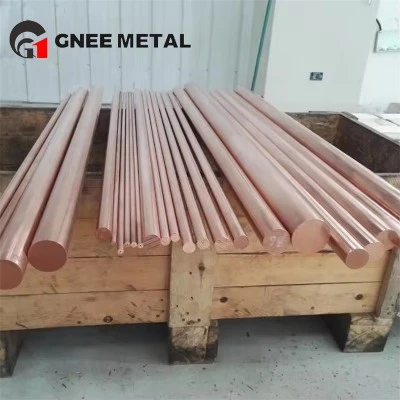
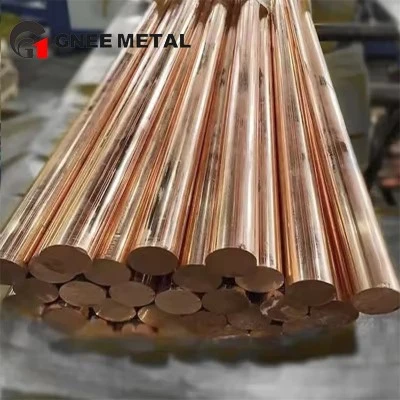
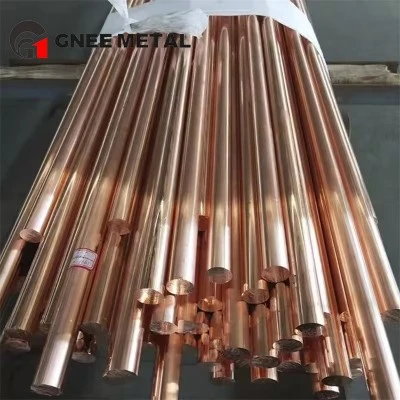
Purple copper is industrial pure copper Brass is an alloy of zinc and copper
The most direct is the color difference between purple and yellow
Another is the difference in strength and hardness The strength and hardness of copper is lower than brass.
Welding of purple brass:
Welding of copper (that is, generally known as industrial pure copper) methods of gas welding, manual carbon arc welding, manual arc welding and manual argon arc welding and other methods, large structures can also be used automatic welding.
1. Copper gas welding
Welding copper is most commonly used butt joints, lap joints and butyl joints as little as possible. Gas welding can be used for two kinds of wire, one containing deoxidizing elements of the wire, such as silk 201, 202; another is the general copper wire and base material of the cut strips, the use of gas flux 301 for flux. Neutral flame should be used when gas welding copper.
2. Copper manual arc welding
In the manual arc welding with purple copper electrode copper 107, welding core for purple copper (T2, T3). Welding should be cleaned before welding at the edge. When the thickness of the weldment is greater than 4 millimeters, it must be preheated before welding, and the preheating temperature is generally about 400 to 500 ℃. Welding with copper 107 welding rod, the power supply should be DC reverse.
Welding should be a short arc, the electrode should not make lateral swing. Reciprocating linear movement of the electrode can improve the shape of the weld. Long weld should be used step by step back welding method. The welding speed should be as fast as possible. Multi-layer welding, must thoroughly remove the interlayer slag.
Welding should be carried out in a well-ventilated place to prevent copper poisoning phenomenon. After welding, the weld should be struck with a flat hammer to eliminate stress and improve the quality of the weld.
3. Copper hand argon arc welding
In the purple copper manual argon arc welding, the use of wire 201 (special purple copper wire) and wire 202, also use purple copper wire, such as T2.
Welding should be before the welding edge of the workpiece and the wire surface of the oxide film, oil and other dirt must be cleaned up to avoid porosity, slag and other defects. Cleanup methods are mechanical cleaning method and chemical cleaning method.
Butt joint plate thickness less than 3 mm, no bevel; plate thickness of 3 ~ 10 mm, open V-type bevel, bevel angle of 60 ~ 70?; plate thickness greater than 10 mm, open X-type bevel, bevel angle of 60 ~ 70?; in order to avoid unwelded penetration, generally do not leave blunt edges. According to the plate thickness and bevel size, the assembly clearance of butt joints is selected in the range of 0.5~1.5 mm.
Purple copper manual argon arc welding, usually using DC positive connection, that is, the tungsten electrode connected to the negative pole. In order to eliminate porosity and ensure reliable fusion and weld penetration at the root of the weld, it is necessary to increase the welding speed, reduce argon gas consumption, and preheat the weldment. Plate thickness less than 3 mm, preheating temperature of 150 ~ 300 ℃; plate thickness greater than 3 mm, preheating temperature of 350 ~ 500 ℃. Preheating temperature should not be too high, otherwise the mechanical properties of the welded joint is reduced.
There is copper carbon arc welding, carbon arc welding electrode used in carbon electrode and graphite electrode. Carbon arc welding of copper and gas welding wire used in the same, can also be used to cut the strip of the parent material, available gas welding of copper flux, such as gas flux 301 and so on.
Brass welding methods:
Methods are: gas welding, carbon arc welding, manual arc welding and argon arc welding.
1. Gas welding of brass
Due to the low temperature of the gas welding flame, the welding of zinc evaporation in brass than when using electric welding, so in brass welding, gas welding is the most commonly used method.
Brass gas welding wire used: wire 221, wire 222 and wire 224, etc., these wires contain silicon, tin, iron and other elements, can prevent and reduce the molten pool of zinc evaporation and burn, is conducive to ensuring that the performance of the weld and to prevent the generation of porosity. Gas welding brass commonly used flux has a solid powder and gas flux two categories, gas flux by the borate methyl fat and methanol; flux such as gas flux 301.
2. Brass manual arc welding
Welding brass in addition to copper 227 and copper 237, you can also use homemade welding rod.
Brass arc welding, DC power supply should be used positive connection method, the electrode is connected to the negative pole. The surface of the weldment should be carefully cleaned before welding. Bevel angle should not be less than 60 ~ 70, in order to improve the weld formation, the weldment should be preheated 150 ~ 250 ℃. Operation should be a short arc welding, no lateral and forward and backward swing, only straight line movement, welding speed should be high. With seawater, ammonia and other corrosive media in contact with brass weldments, welding must be annealed to eliminate welding stress.
3. Tig welding of brass by hand
Brass manual tig welding can be used standard brass wire: wire 221, wire 222 and wire 224, can also be used with the same composition of the base material as filler material.
Welding can be done with a DC positive connection or with AC. When welding with AC, the evaporation of zinc is lighter than with DC positive connection. Usually no preheating before welding, only when the plate thickness difference is relatively large. Welding speed should be as fast as possible. The weldment should be heated 300~400℃ for annealing treatment after welding to eliminate welding stress, in order to prevent the weldment from cracking during use.
4. Brass carbon arc welding
Brass carbon arc welding, according to the composition of the base material selection of wire 221, wire 222, wire 224 and other wires, can also be used in homemade brass wire welding. Welding can be used gas flux 301 and other flux. Welding should be operated in short arc to minimize zinc evaporation and burnout.


