

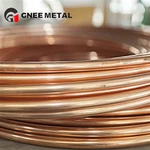
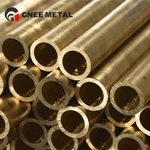
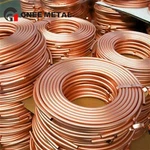
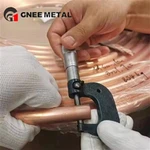

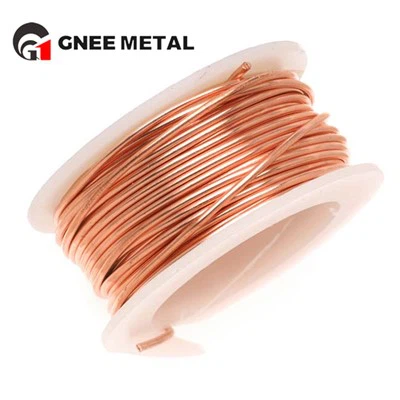
Copper Cord Cable
Henan Gnee New Material Co., Ltd. is one of the most professional manufacturers and suppliers of copper cord cable in China, specialized in providing high quality copper products with competitive price. Welcome to buy discount copper cord cable for sale here from our factory. Customized orders are welcome.
Gnee group is a supply chain integrated enterprise including metal plate, coil, profile, outdoor landscape design and processing.Gnee is becoming the most professional international steel supply chain company in china central plains with explicit strategic framework, integrated governance structure, firm management foundation, abundant fund and human power.
Why Choose Us?
High quality
Our products are manufactured or executed to very high standards, using the finest materials and manufacturing processes.
Professional team
Our professional team collaborate and communicate effectively with one another, and are committed to delivering high-quality results. They are capable of handling complex challenges and projects that require their specialized expertise and experience.
Rich experience
Dedicated to strict quality control and attentive customer service, our experienced staff is always available to discuss your requirements and ensure complete customer satisfaction.
24h online service
We try and respond to all concerns within 24 hours and our teams are always at your disposal in case of any emergencies.

Copper is the second best electrical conductor (after silver) and this type of wire is available in solid or stranded construction.

Block Single Core 0.85mm Diameter Copper Wire
From block, a range of enamelled copper wire supplied on plastic spools. The single strand copper wire features a thin covering of enamel which acts as great insulation ensuring good chemical and thermal resistance. The enamel coating also prevents shorting. Enamelled copper wire or magnet wire is particularly useful for the production of tight coils.

From rs pro, a range of tinned copper wire supplied handy plastic spools. The annealed single strand copper wire benefits from a thin tin plating making the copper wires robust and resilient to moisture. Tinned copper wire is particularly useful where excellent electrical conductivity and thermal resistance is required, suitable for use as rewirable fuse links and shorting links.

Buildings have literally millions of miles of metal wire spread throughout any given city. Most of them carry some type of electrical current to homes, offices, factories, or shopping centers. The average consumer doesn't realize this, but there are hundreds of different types and sizes of building wire.

Bare copper wire, which has low electric resisitance, good heat-resistant and corrosion-resistant, easy to be processed and lead welded. It is used to make the key components in the thermal overload relay, low resistance thermal circuit breaker, and the electrical appliances. It is also an important material for electrical heating cable. It's similar as s type cupronickel.The more composition of nickel,the more silver white the surface to be.

Copper core wire is one of the core materials for power transmission and is widely used in power plants, transmission lines, substations and urban distribution networks.

In many cases, bare copper wire is the preferred choice for electrical grounding. This is due to a number of advantages, including very high electrical conductivity, flexibility and heat resistance.

Copper wire has a number of important properties that make it a "natural" material for electrical wiring. It is the best conductor of electricity compared to any other non-precious metal, and can hold more power in a given diameter of wire than any alternative material.

Perfect for electroculture gardening, science class demos, diy jewelry making, earrings, bracelets, accessories, sculptures, chainmail, gardening, decoration, toys, and more.
Copper wire cables consist of a central conductor made of copper, which is known for its excellent electrical conductivity properties. Copper is chosen for its low resistance, allowing for efficient transmission of electric current, making it an ideal material for various applications. The conductor is surrounded by one or more insulating layers, which provide electrical insulation and protect against external influences.
Excellent conductivity
Copper is renowned for its superior electrical conductivity, enabling efficient transmission of electricity and signals with minimal loss. This ensures reliable performance and reduces the risk of data corruption.
Durability and longevity
Copper wire cables are highly durable and resistant to corrosion, allowing them to withstand harsh environmental conditions. This longevity ensures a longer lifespan for the cables, reducing maintenance and replacement costs.
Flexibility
Certain types of copper wire cables, such as stranded wires, offer enhanced flexibility, making them easier to install and maneuver around tight spaces. This flexibility allows for greater versatility in applications.
Cost-effectiveness
Copper wire cables are relatively affordable compared to other conductive materials. Their cost-effectiveness, combined with their longevity and performance, makes them a preferred choice for various industries.

Types of Copper Cord Cable
Solid copper wire
Composed of a single, solid copper conductor, this type of cable is known for its stability and durability. It is often used in structured cabling systems for data networking.
Stranded copper wire
Consisting of multiple thin strands of copper wires bundled together, stranded copper wire offers enhanced flexibility and is commonly used in applications that involve frequent bending or movement.
Coaxial cable
Featuring an inner copper conductor surrounded by insulation and a protective outer layer, coaxial cables are widely used for transmitting audio, video, and data signals over long distances with minimal interference.
Twisted pair cable
This type of cable comprises two or more insulated copper wires twisted together, which helps reduce electromagnetic interference. It is commonly used for ethernet networking and telephone connections.
Application of Copper Cord Cable
Electrical wiring
Copper wire cables are extensively used for electrical wiring in residential, commercial, and industrial buildings. Their excellent conductivity and durability make them an ideal choice for safely and efficiently transmitting electrical power.
Telecommunications
Copper wire cables have long been a cornerstone of telecommunications infrastructure, facilitating reliable voice and data transmission. From telephone lines to high-speed internet connections, copper wires continue to support seamless communication.
Electronics and appliances
Copper wire cables find wide application in the manufacturing of electronics and appliances. They are used in everything from computer components to home appliances, providing reliable connectivity and efficient power transmission.
Automotive industry
Copper wire cables are vital in automotive applications, serving as the nervous system of vehicles. From transmitting signals to powering various electrical components, copper wire cables ensure the smooth functioning of critical systems.

Copper cables are the unsung heroes of modern connectivity, enabling the seamless transfer of information, power, and data across a wide range of applications. As one of the most widely used materials in the cable industry, copper offers exceptional conductivity, flexibility, and durability.
Copper's conductivity: Powering connections
Copper is an excellent conductor of electricity, making it an ideal material for cables. Its high electrical conductivity allows for efficient and low-loss transmission of power and signals. Copper cables have the ability to carry high current loads without significant energy loss, ensuring reliable and stable connections in various applications.
Twisted pair copper cables: Reliable communication
Twisted pair copper cables are commonly used in telecommunications and networking applications. They consist of multiple pairs of insulated copper wires twisted together, which helps reduce electromagnetic interference. Twisted pair cables come in different categories, such as category 5e and category 6, offering varying levels of performance and data transfer rates.
Coaxial copper cables: Efficient signal transmission
Coaxial copper cables are widely used for video and audio transmission, as well as cable television and broadband internet. These cables consist of a central conductor surrounded by an insulating layer, a metallic shield, and an outer insulating jacket. The coaxial design provides excellent signal integrity and protection against external interference, ensuring high-quality transmission over long distances.
Copper power cables: Reliability and safety
Copper power cables are extensively used for electrical power transmission and distribution. These cables are designed to handle high current loads and are available in various configurations, including single-core and multi-core constructions. Copper power cables offer excellent conductivity, reliability, and resistance to environmental factors, ensuring safe and efficient power distribution in residential, commercial, and industrial settings.
Fiber optic hybrid cables: Combining copper and light
Fiber optic hybrid cables combine the benefits of copper and fiber optic technologies. They feature copper conductors for power transmission and fiber optic strands for high-speed data transfer. These cables are commonly used in applications where both power and data connectivity are required, such as in telecommunications and industrial automation systems. The hybrid design allows for efficient and cost-effective integration of power and data transmission in a single cable.
Exploring the Versatility of Copper Cord Cable Connecting the World
Telecommunications: Keeping the world connected
Copper cord cable form the backbone of telecommunications networks, enabling voice, data, and video transmissions across vast distances. They are widely used in telephone networks, carrying analog signals and facilitating landline connections. Additionally, copper cord cable serve as a crucial component in broadband internet access, allowing high-speed data transfer to homes and businesses. Their resilience, flexibility, and cost-effectiveness make them an ideal choice for telecommunications infrastructure.
Electrical power distribution: Delivering electricity safely
Copper cord cable play a pivotal role in electrical power distribution systems, ensuring a safe and efficient supply of electricity. These cables are used in overhead and underground power lines, efficiently transmitting electrical energy from power plants to homes, industries, and commercial buildings. Copper's excellent conductivity and ability to handle high current loads make it an ideal choice for power transmission, minimizing energy loss during distribution.
Building infrastructure: Wiring the modern world
In the construction industry, copper cord cable are widely used for electrical wiring in residential, commercial, and industrial buildings. These cables provide a reliable and stable electrical connection, supplying power to lighting, appliances, and other electrical devices. Copper's superior conductivity and durability make it an optimal choice for electrical wiring, ensuring the safe and efficient functioning of buildings.
Industrial applications: Powering machinery and systems
Copper cord cable find extensive use in industrial applications, connecting machinery, equipment, and automation systems. They provide a reliable and robust connection, transmitting power and control signals in manufacturing plants, factories, and process industries. The flexibility and versatility of copper cord cable allow for easy installation and maintenance, supporting the seamless operation of critical industrial processes.
Data centers and networking: Enabling digital connectivity
Copper cord cable are indispensable in data centers and networking environments, enabling the transfer of large volumes of data. They are commonly used in ethernet cables, providing reliable and high-speed connections between computers, servers, and networking devices. Copper's ability to support high bandwidth and resistance to interference makes it a preferred choice for local area networks (lans) and wide area networks (wans), forming the backbone of our digital infrastructure.
Copper as a best conductor = efficient
Copper cable has the maximum electrical conductivity rating of all non-precious metals (100%). Electrical conductivity is anamount of how well a materialcarriage an electric charge. For example, aluminium has only 61% of the conductivity of copper.
Copper cable is flexible
The inherent strength, hardness, and flexibility of copper building cable make it very easy to work with. However, it has some flexibility, it doesn't lose any durability. It is not hard when you curve it, this implies it will not get crack or break easily.
Safety
In relationships with safety, copper cable is going to be one of your best options. When an overload or surge comes through the wire, this copper wire would not likely to melt or burn. This shows that your chances of a fire preliminary as a result of a power problem are going to be significantly decreased.
Copper stays put
When other materials other than copper are castoff to wire things, they maysometimes get untie or loosen where they are linked and come unattached. This can may lead to some extremely dangerous conditions when it comes to electrical cabling. With grouping cable connections, bargained cable can lead to beads in connection.
Compatibility
Not having copper cabling can maysource incompatibility problems in the future. For example, most application and electrical apparatus manufacturers specify that copper wire is in all of their products.
Certifications

Our Factory
Gnee group is a supply chain integrated enterprise including metal plate, coil, profile, outdoor landscape design and processing.Gnee is becoming the most professional international steel supply chain company in china central plains with explicit strategic framework, integrated governance structure, firm management foundation, abundant fund and human power.


FAQ
Hot Tags: copper cord cable, China copper cord cable manufacturers, suppliers, factory, copper, C23000 bare copper cable, grounding C12000 wire, bare C26200 copper wire, solid C12500 copper wire, copper cable, copper ground wire
Previous
Pure Copper WireNext
Bare Copper WireYou Might Also Like



Send Inquiry