


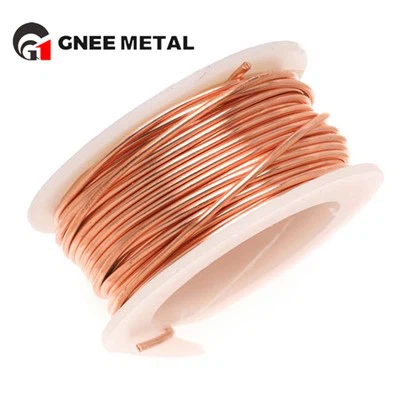
Pure Copper Wire
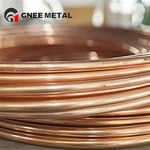
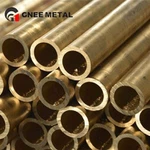
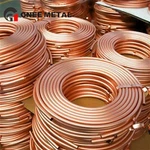
Henan Gnee New Material Co., Ltd. is one of the most professional manufacturers and suppliers of pure copper wire in China, specialized in providing high quality copper products with competitive price. Welcome to buy discount pure copper wire for sale here from our factory. Customized orders are welcome.
Gnee group is a supply chain integrated enterprise including metal plate, coil, profile, outdoor landscape design and processing.Gnee is becoming the most professional international steel supply chain company in china central plains with explicit strategic framework, integrated governance structure, firm management foundation, abundant fund and human power.
Why Choose Us?
High quality
Our products are manufactured or executed to very high standards, using the finest materials and manufacturing processes.
Professional team
Our professional team collaborate and communicate effectively with one another, and are committed to delivering high-quality results. They are capable of handling complex challenges and projects that require their specialized expertise and experience.
Rich experience
Dedicated to strict quality control and attentive customer service, our experienced staff is always available to discuss your requirements and ensure complete customer satisfaction.
24h online service
We try and respond to all concerns within 24 hours and our teams are always at your disposal in case of any emergencies.

Copper is the second best electrical conductor (after silver) and this type of wire is available in solid or stranded construction.

Block Single Core 0.85mm Diameter Copper Wire
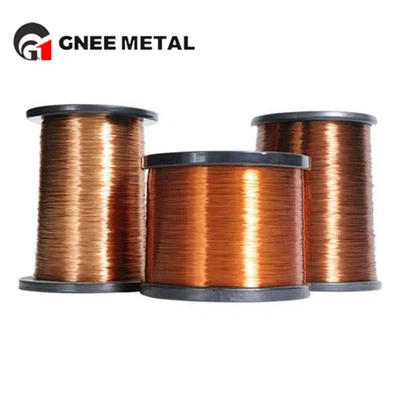
From block, a range of enamelled copper wire supplied on plastic spools. The single strand copper wire features a thin covering of enamel which acts as great insulation ensuring good chemical and thermal resistance. The enamel coating also prevents shorting. Enamelled copper wire or magnet wire is particularly useful for the production of tight coils.

From rs pro, a range of tinned copper wire supplied handy plastic spools. The annealed single strand copper wire benefits from a thin tin plating making the copper wires robust and resilient to moisture. Tinned copper wire is particularly useful where excellent electrical conductivity and thermal resistance is required, suitable for use as rewirable fuse links and shorting links.

Buildings have literally millions of miles of metal wire spread throughout any given city. Most of them carry some type of electrical current to homes, offices, factories, or shopping centers. The average consumer doesn't realize this, but there are hundreds of different types and sizes of building wire.

Bare copper wire, which has low electric resisitance, good heat-resistant and corrosion-resistant, easy to be processed and lead welded. It is used to make the key components in the thermal overload relay, low resistance thermal circuit breaker, and the electrical appliances. It is also an important material for electrical heating cable. It's similar as s type cupronickel.The more composition of nickel,the more silver white the surface to be.

Copper core wire is one of the core materials for power transmission and is widely used in power plants, transmission lines, substations and urban distribution networks.

In many cases, bare copper wire is the preferred choice for electrical grounding. This is due to a number of advantages, including very high electrical conductivity, flexibility and heat resistance.

Copper wire has a number of important properties that make it a "natural" material for electrical wiring. It is the best conductor of electricity compared to any other non-precious metal, and can hold more power in a given diameter of wire than any alternative material.

Perfect for electroculture gardening, science class demos, diy jewelry making, earrings, bracelets, accessories, sculptures, chainmail, gardening, decoration, toys, and more.
Pure copper wire is a type of electrical conductor that is made entirely of copper, with no other metals or alloys added. It is known for its excellent electrical conductivity and corrosion resistance. Pure copper wire is commonly used in electrical applications where high conductivity and low resistance are important factors, such as in power transmission and distribution, building wiring, and electronic circuits.
Conductivity
Many industries use copper wire because of it's high conductivity, one of the most conductive materials of electricity available. It stands only second to silver in the line up of metals. There is no surprise that it is regularly used in and alongside machinery that requires reliable electrical connections.
Heat resistance
Copper is also very heat resistant which is a great benefit of copper wire. It is a good conductor of heat and can be used in appliances where it needs reliable corrosion protection. It also has a high melting point, offering longevity and maintained quality over the years.
Corrosion resistance
Copper has a low reactivity rating. In turn, this means it has a high corrosion resistance which reduces the risk of deterioration and failure. For connection purposes, this ensures a strong link and reliability over the years.
Malleability and ductility
Malleability is copper wire's ability to be shaped into the desired shape without breaking. Copper has a high malleability rating. This allows it to be hammered or rolled into sheets or bent into any direction without the risk of snapping.
The Production Process of Pure Copper Wire
Copper wires are made through a process called drawing. This involves reducing the diameter of a copper rod by pulling it through a series of dies, or metal plates with small holes, of decreasing size.
Ingot casting
Copper is melted and poured into molds to form ingots, which are large blocks of copper.
Hot rolling
The ingots are heated and then passed through large rollers, which flatten them into large sheets of copper called billets.
Cold rolling
The billets are then passed through smaller rollers to reduce their thickness and increase their length. This process is called cold rolling.
Annealing
The cold-rolled copper is then heated to a high temperature and cooled in a controlled manner to soften it and make it easier to draw.
Drawing
The copper is then pulled through a series of dies of decreasing size to reduce its diameter and increase its length. This process is called drawing.
Stranding
After drawing, the copper wire can be stranded, which means to be twisted together multiple wires to form a single wire.
Insulation
After stranding or just drawing, the wire can be insulated, which is the process of applying a coating or jacket to the wire to protect it from electrical or physical damage.

Copper wires, whether they're pure or not, has a relatively high melting point (1083.4 °c or 1981.12 °f) and is relatively heat resistant. However, its resistance to heat depends on the application and how it is used. For example, when used in electrical applications, copper wire is generally not exposed to high temperatures and therefore heat resistance is not a major concern.
However, when used in high temperature applications, such as in furnace wiring or in high-temperature industrial processes, copper wires may be coated or insulated to improve its heat resistance. Additionally, copper wire in high temperature applications may also be alloyed with other metals to improve its heat resistance.
It's important to note that prolonged exposure to high temperatures can cause copper wires to degrade over time, and can affect its electrical conductivity.
Lemon juice and salt
Mix equal parts lemon juice and salt to form a paste. Apply the paste to the copper wire and let it sit for a few minutes. Then, use a soft-bristled brush to scrub the wire and remove the oxidation. Rinse the wire with water and dry it.
White vinegar and baking soda
Mix equal parts white vinegar and baking soda to form a paste. Apply the paste to the copper wire and let it sit for a few minutes. Then, use a soft-bristled brush to scrub the wire and remove the oxidation. Rinse the wire with water and dry it.
Ketchup
Apply a small amount of ketchup to the copper wire and let it sit for a few minutes. Then, use a soft-bristled brush to scrub the wire and remove the oxidation. Rinse the wire with water and dry it.
Commercial copper cleaners
There are commercial copper cleaners available that can be used to remove oxidation from copper wire. These cleaners typically contain acid or abrasive agents that remove oxidation. Always follow the instructions on the cleaner and use safety precautions when handling it.
It's important to note that, if the wire is going to be used in an electrical application, it's better to use methods 1 or 2. This is because the others could leave a residue that may affect the electrical conductivity. Also, it's important to use the appropriate safety precautions when handling cleaning chemicals, and to avoid using abrasive materials that can scratch the surface of the wire.
For any electrical setup copper wires are crucial. They are in use for the last 2 centuries and you will be amazed to know that half of the copper production goes to electricity purposes. Copper has some amazing properties, it has high electrical conductivity and good tensile strength. It also has good ductility. Copper is used in energy generation or some electrical appliances. Electricity should always come with safety that is why the quality of copper should not be compromised. Poor electrical maintenance can cause many hazards. That is why it is crucial to check the purity of the copper wire.
When comes to maximum safety and efficiency, copper offers competency and favorable properties. Through electrolysis, copper is manufactured. Bare copper wire manufacturers use the highest grade of copper for making copper wires. More the purity and best conductivity it offers. The minor adulteration in purity can affect or hinder conductivity.
A small amount of impurity in copper can cause a large amount of hindrance. For example; 0.05% of arsenic can cause a 15% hindrance in conductivity. For this, this paramount of cables are employed to manufacture the best grade of wires. You will be amazed to know that pure copper wire offers extra thermal and electrical support. It also offers fabrication and great strength.
How do check the purity of copper
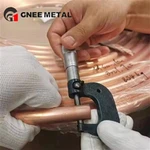
Purity is the most important aspect of copper wires. Its direct impact on the performance of appliances. You utilize various testing ways to determine the purity of copper wire.
Certification
Always check certification for the wires before wiring. The product should be iso certified which itself speaks volumes about the product. There can be an sgs bv certificate. Always verify any kind of validity or certificate that comes with it.
Magnetism test
Pure copper does offer magnetic properties. When a magnetic test is done, it shows low magnetic properties. It means when you hold a magnet near pure copper, it should attract it. You can get the best quality wire from bare copper wire suppliers.
Resistance and conductivity
At room temperature, copper has specific resistance. That is why it has the best electrical conductivity. To check resistance and conductivity, you need to compare the resistivity of the copper and the wire. If the wire shows high resistivity than copper then there is unwantedly alloyed in the copper.
Density
It is the most reliable method. Copper has a specific density that is 8.92 grams per milliliter. After checking the density, you can compare that value with the actual density of the copper wire.
You can always be assured about the best quality copper wires and cables by taking certain tests as mentioned above. Fold the wire to check their flexibility. Better flexibility, better copper. You can assure the insulation by checking the center of the wire. That should be proportionate and well-aligned to all corners. The more accurate the center is, the more its insulation gets. You can also peel off the outer coating to check the twists. Twisted wires have good conductivity.
Difference Between Tinned Copper and Pure Copper Electrical Wire
Tinned copper electrical wire for house wiring is mainly designed to reduce the oxidation of copper conductors exposed to the air, and a protective layer of tin quality is deliberately designed, because tin is also relatively soft, but the properties of tinned copper conductors are also relatively soft, in terms of electrical conductivity. It is also consistent with bare copper. Compared with bare copper conductors, tinned copper has stronger corrosion resistance and oxidation resistance, which can greatly extend the service life of wires.
Tin plating of copper electrical wire can also prevent insulation from sticking, make the core black and brittle, and improve the solderability of the electrical wire during whole use period.
Tinned copper wires are suitable for electronic equipment manufacturing projects, because tinned copper conductors are more resistant to tossing and have anti-oxidation properties when they are semi-bare, which can increase the service life of electronic equipment. Although it is more complicated than the production process of ordinary bare copper conductor pvc insulated eletrical wires in the production industry, its quality and durability are also proportional.
Therefore, the tinned copper stranded wire for house wiring on the market is relatively advantageous, but its price is slightly more expensive, because the tinned copper wire factory has improved the process.
Certifications

Our Factory
Gnee group is a supply chain integrated enterprise including metal plate, coil, profile, outdoor landscape design and processing.Gnee is becoming the most professional international steel supply chain company in china central plains with explicit strategic framework, integrated governance structure, firm management foundation, abundant fund and human power.


FAQ
Hot Tags: pure copper wire, China pure copper wire manufacturers, suppliers, factory, copper, Industrial Copper Wire, C10100 solid copper wire, copper ground wire, C22000 grounding wire, C27200 solid copper wire, C28000 copper cable
You Might Also Like



Send Inquiry