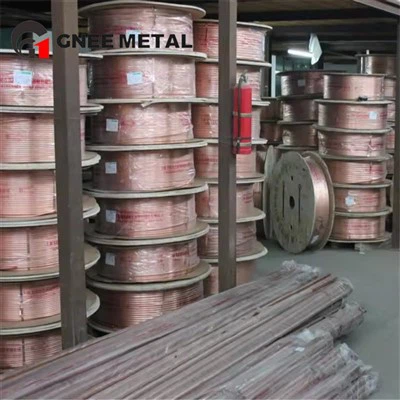
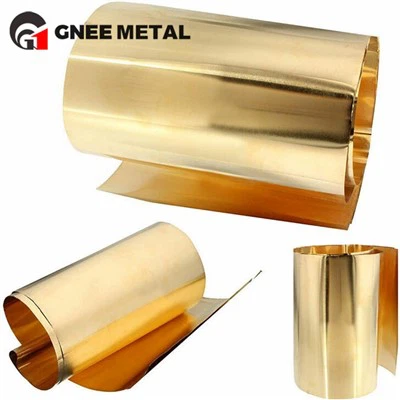
Hey there! As a supplier of copper roof strips, I often get asked about the thermal conductivity of these nifty little things. So, let's dive right in and break it down.
First off, what's thermal conductivity anyway? It's basically a measure of how well a material can conduct heat. Think of it like a highway for heat. The better the thermal conductivity, the faster heat can move through the material.
Now, copper is known for being an excellent conductor of heat. In fact, it's one of the best out there. The thermal conductivity of pure copper at room temperature (around 20°C or 68°F) is approximately 401 watts per meter-kelvin (W/m·K). That's pretty impressive!
But here's the thing. Most of the copper roof strips we supply aren't made of pure copper. They're usually alloys, which means they're a mixture of copper and other metals. These alloys are designed to give the roof strips certain properties, like increased strength or better corrosion resistance.
When you add other metals to copper, it can affect the thermal conductivity. For example, if you add some zinc to make brass, the thermal conductivity will go down a bit. Brass typically has a thermal conductivity in the range of 109 - 126 W/m·K, depending on the exact composition.
If you're interested in a high-quality material like a brass-steel composite strip, you can check out Material Brass-Steel Composite Strip High Quality. This kind of strip combines the properties of brass and steel, which can be really useful for certain applications.
Another popular alloy we offer is the UNS C26800 Yellow Brass Copper Alloy. This alloy has good formability and corrosion resistance, but its thermal conductivity is also lower than that of pure copper.
Then there's the C5210 Cusn8 Tin Phosphorous Bronze Copper Alloy Metal Strip. This alloy is known for its high strength and good wear resistance. Again, its thermal conductivity will be different from pure copper.
But why does the thermal conductivity of copper roof strips matter? Well, there are a few reasons. For starters, in a hot climate, a roof strip with good thermal conductivity can help transfer heat away from the building more efficiently. This can reduce the amount of heat that gets into the building, which means lower air conditioning costs.
On the other hand, in a cold climate, you might want a roof strip with a lower thermal conductivity. This can help keep the heat inside the building, reducing heating costs.
When we're making copper roof strips, we have to strike a balance between thermal conductivity and other properties. We want a strip that can handle the elements, look good, and perform well over time. That's why we offer a variety of alloys to meet different needs.
If you're thinking about using copper roof strips for your project, you need to consider the thermal requirements. Talk to us about what you're looking for, and we can help you choose the right alloy.
We've done a lot of testing on our copper roof strips to make sure they meet the highest standards. We measure the thermal conductivity, as well as other important properties like strength and corrosion resistance. This way, we can give you accurate information and recommendations.
And if you have any specific questions about the thermal conductivity of our copper roof strips, don't hesitate to reach out. We're here to help you make the best decision for your project. Whether you're a contractor, an architect, or a DIY enthusiast, we've got the knowledge and the products to meet your needs.


In conclusion, the thermal conductivity of copper roof strips depends on the alloy. Pure copper has a high thermal conductivity, but once you start adding other metals, it can change. We offer a range of alloys with different thermal and mechanical properties. So, if you're in the market for copper roof strips, come and talk to us. We can help you find the perfect solution for your project.
If you want to get in touch to discuss your copper roof strip needs, just let us know. We're excited to work with you and see how we can make your project a success.
References
- Handbook of Chemistry and Physics
- Metal Alloys Research Journal