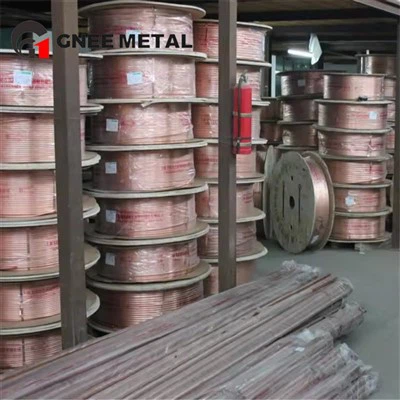
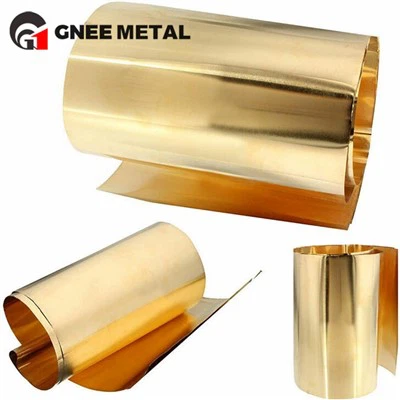
Hey there! As a supplier of Dead Soft Copper, I've been getting a lot of questions lately about whether it's suitable for flexible electrical cables. So, I thought I'd take a deep dive into this topic and share my insights with you all.
First off, let's talk about what dead soft copper actually is. Dead soft copper is a type of copper that has been annealed to make it extremely soft and malleable. This process involves heating the copper to a specific temperature and then slowly cooling it, which reduces its hardness and increases its ductility. As a result, dead soft copper can be easily bent, twisted, and formed into various shapes without breaking.
Now, when it comes to flexible electrical cables, there are several factors to consider. One of the most important is the cable's ability to withstand repeated bending and flexing without losing its electrical conductivity. This is where dead soft copper really shines. Its high ductility allows it to bend and flex without cracking or breaking, making it an ideal choice for applications where the cable needs to be moved or adjusted frequently.
Another advantage of using dead soft copper in flexible electrical cables is its excellent electrical conductivity. Copper is one of the best conductors of electricity, and dead soft copper is no exception. It has a low resistance, which means that it can carry electrical current efficiently with minimal loss of energy. This is crucial for ensuring that the cable can deliver power to the connected devices without any significant voltage drop.


In addition to its flexibility and conductivity, dead soft copper also has good corrosion resistance. This is important because electrical cables are often exposed to various environmental factors, such as moisture and chemicals, which can cause corrosion and damage to the cable over time. Dead soft copper's corrosion resistance helps to protect the cable and ensure its long-term reliability.
Now, let's take a look at some specific applications where dead soft copper is commonly used in flexible electrical cables. One of the most common applications is in audio and video equipment. Dead soft copper cables are often used to connect speakers, amplifiers, and other audio and video components because of their flexibility and excellent electrical performance. They can be easily routed through tight spaces and around corners, making them ideal for use in home theaters, recording studios, and other audio and video installations.
Another application where dead soft copper is widely used is in power tools and appliances. Flexible electrical cables made from dead soft copper are used to connect power tools, such as drills, saws, and sanders, to the power source. These cables need to be able to withstand the constant movement and vibration associated with power tool use, and dead soft copper's flexibility and durability make it an excellent choice for this application.
Dead soft copper is also commonly used in automotive wiring. The automotive industry requires high-quality electrical cables that can withstand the harsh conditions of the engine compartment, including high temperatures, vibrations, and exposure to chemicals. Dead soft copper cables are able to meet these requirements, making them a popular choice for automotive manufacturers.
Now, I know what you're thinking. If dead soft copper is so great for flexible electrical cables, why isn't it used in every cable? Well, the truth is that there are some limitations to using dead soft copper. One of the main limitations is its cost. Dead soft copper is more expensive than other types of copper, which can make it less cost-effective for some applications.
Another limitation is its strength. While dead soft copper is very flexible, it is also relatively weak compared to other types of copper. This means that it may not be suitable for applications where the cable needs to withstand high levels of tension or stress.
Despite these limitations, I still believe that dead soft copper is an excellent choice for many flexible electrical cable applications. Its flexibility, conductivity, and corrosion resistance make it a reliable and high-performance material that can meet the needs of a wide range of industries.
If you're interested in learning more about dead soft copper and its suitability for your specific application, I encourage you to check out our website. We offer a wide range of dead soft copper products, including C11600 Thin Wires, C10100 Copper For Conductors, and AWG43 Coil Wires For Guitar Pickup Building Kits. Our team of experts is also available to answer any questions you may have and help you find the right product for your needs.
In conclusion, dead soft copper is a great option for flexible electrical cables. Its flexibility, conductivity, and corrosion resistance make it a reliable and high-performance material that can meet the needs of a wide range of industries. If you're in the market for flexible electrical cables, I encourage you to consider using dead soft copper. And if you have any questions or need more information, don't hesitate to reach out to us. We're here to help!
References:
- Copper Development Association. (n.d.). Properties of Copper. Retrieved from [Website URL]
- International Electrotechnical Commission. (n.d.). Electrical Cables - General Requirements. Retrieved from [Website URL]
- National Electrical Manufacturers Association. (n.d.). Standards for Electrical Cables. Retrieved from [Website URL]