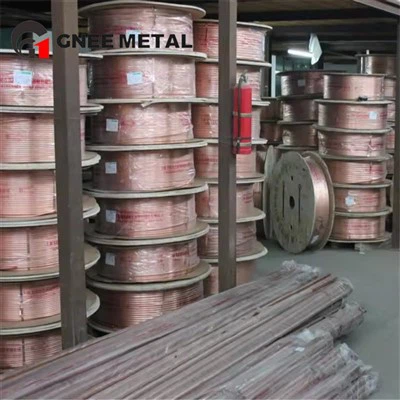
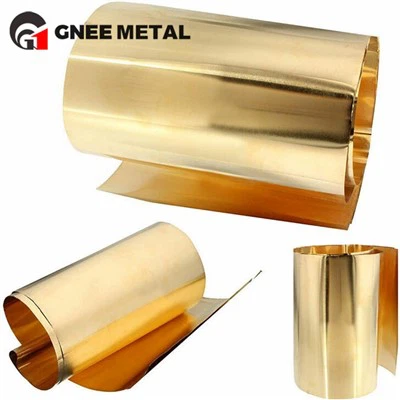
Hey there! As a supplier of copper alloy strip, I've seen firsthand how annealing can have a huge impact on the properties of these materials. In this blog, I'll break down what annealing is, how it affects copper alloy strip, and why it matters for your projects.
First off, let's talk about what annealing actually is. Annealing is a heat treatment process that involves heating a metal to a specific temperature and then cooling it slowly. This process helps to relieve internal stresses in the metal, making it more ductile and easier to work with. It also can improve the metal's electrical conductivity, corrosion resistance, and other properties.
When it comes to copper alloy strip, annealing can have several significant effects. One of the most noticeable changes is in the material's hardness. Before annealing, copper alloy strip can be quite hard and brittle. This can make it difficult to bend, form, or cut without cracking or breaking. But after annealing, the strip becomes much softer and more malleable. This means you can easily shape it into the desired form without worrying about damaging it.


Another important property that annealing affects is the electrical conductivity of the copper alloy strip. Copper is already a great conductor of electricity, but annealing can further enhance this property. By relieving the internal stresses in the metal, annealing allows the electrons to flow more freely through the material. This results in lower electrical resistance and better overall conductivity. If you're using copper alloy strip in electrical applications, such as wiring or circuitry, this improved conductivity can be a huge advantage.
Corrosion resistance is also a key factor in many applications where copper alloy strip is used. Annealing can help to improve the corrosion resistance of the material by changing its microstructure. When the metal is heated and cooled during the annealing process, it forms a more uniform and stable structure. This makes it more resistant to the effects of corrosion, such as rusting or pitting. As a result, annealed copper alloy strip can last longer and perform better in harsh environments.
Now, let's take a closer look at some specific types of copper alloy strip and how annealing affects them. For example, the C94300 Copper Tape Roll is a popular choice for many applications. This alloy contains a high percentage of copper, along with other elements like lead and tin. When this strip is annealed, it becomes more ductile and easier to work with. It also retains its excellent electrical conductivity and corrosion resistance, making it ideal for use in electrical and electronic applications.
The Copper-nickel-silicon Alloy is another interesting option. This alloy is known for its high strength and good corrosion resistance. Annealing can further enhance these properties by improving the material's microstructure. After annealing, the strip becomes more uniform and less prone to cracking or breaking. This makes it a great choice for applications where strength and durability are important, such as in automotive or aerospace components.
The C10100 Copper Metal Tape is a pure copper strip that is often used in electrical applications. Annealing this strip can significantly improve its electrical conductivity, as well as its ductility. This makes it easier to work with and more suitable for use in wiring and other electrical components.
So, why does all of this matter for your projects? Well, if you're using copper alloy strip in your manufacturing or construction work, the properties of the material can have a big impact on the quality and performance of your final product. By choosing annealed copper alloy strip, you can ensure that your materials are easier to work with, more durable, and have better electrical and corrosion resistance. This can lead to higher-quality products, lower production costs, and increased customer satisfaction.
If you're interested in learning more about our copper alloy strip products or have any questions about how annealing can affect their properties, don't hesitate to reach out. We're here to help you find the right materials for your specific needs and provide you with the support and guidance you need to succeed. Whether you're working on a small DIY project or a large-scale industrial application, we have the expertise and the products to meet your requirements.
In conclusion, annealing is a crucial process that can have a significant impact on the properties of copper alloy strip. By understanding how annealing works and how it affects different types of copper alloys, you can make more informed decisions about the materials you use in your projects. So, if you're in the market for high-quality copper alloy strip, consider the benefits of annealing and how it can improve the performance and durability of your products.
References:
- Foundational knowledge of metallurgy and copper alloy properties from industry textbooks and research papers.
- In - house research and testing on the effects of annealing on copper alloy strip conducted by our company.