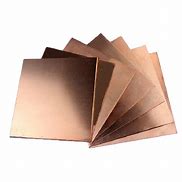
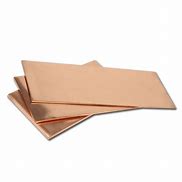
ASTM B36 is a valuable alloy of brass that is widely used in the manufacturing and engineering sectors. Primarily made up of zinc, copper, and tin, Brass Alloy 272 offers a remarkable range of benefits to industrial producers. It has superior resistance to corrosion and abrasion, is highly malleable for various applications and processes, and its strength remains intact over time. On top of that, Brass 272 is significantly more affordable than other metal alloys. This makes it ideal for industries looking for ways to reduce costs while still upholding quality standards. As such, it's no surprise why Brass 272 has become an essential material in producing parts of all shapes and sizes in many industries around the world.
Brass 272 Tubing
Brass 272 Bolts
Brass 272 Fasteners
Brass 272 Nuts
Brass 272 Screw
Brass 272 Washer
Brass 272 Stud Bolts
Brass 272 Coil
Brass 272 Foil
Brass 272 is an alpha-beta brass that contains 72% copper and 28% zinc. It also contains trace amounts of lead (<0.2%), iron (<0.3%), arsenic (<0.01%), manganese (<0.3%), and phosphorus (<0.04%). Together these elements give it superior malleability compared to other alloys with similar compositions, such as 70/30 brass or 60/40 brass.
ASTM B36 Brass has excellent corrosion resistance when exposed to various types of corrosive environments such as salt water, sulfuric acid, hydrochloric acid, etc., making it an ideal material for many applications where corrosion resistance is paramount. The alloy also has good electrical conductivity, making it useful for electrical wiring applications.
C27200 Brass is an alloy of copper and zinc with excellent physical properties. It has high electrical conductivity, corrosion resistance, cold formability, and a neutral to a slightly yellowish tint. In particular, it provides superior heat conduction performance, allowing it to be used in a variety of applications across many industries. By combining the properties of copper and zinc together into one alloy, Brass 272 offers both strength and durability while remaining cost-effective. Its workability makes it possible to achieve intricate designs in products that benefit from its superior characteristics. As a result, engineers and designers often specify this alloy for challenging applications requiring superior performance coupled with affordability.