

As an alloy material, brass has excellent corrosion resistance and has broad application prospects in architectural decoration, art production and other fields. Pure copper has become one of the indispensable materials in the electrical industry with its excellent electrical conductivity.
As an ancient and important metal, copper is not only widely used in industrial production, electronic communications, architectural decoration and other fields, but also occupies a place in artistic creation and cultural heritage. Among the many copper alloys, brass and pure copper have attracted much attention due to their wide range of applications.
Definition and composition
Brass is an alloy composed of copper and zinc, usually containing about 60% copper and 40% zinc. The composition ratio of this alloy can be adjusted according to specific needs to meet different application requirements. The English name of brass is "Brass", which comes from the old French word "braise", which means "burning", implying that brass has excellent thermal conductivity.
Pure copper, also known as red copper or red copper, is the copper with the highest copper content, and its copper content usually reaches more than 99.5%. The chemical symbol of pure copper is Cu, and its atomic number is 29. It is a soft, shiny, and ductile metal.
Physical properties
Color and luster
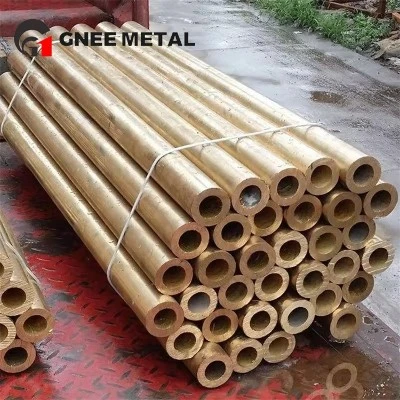
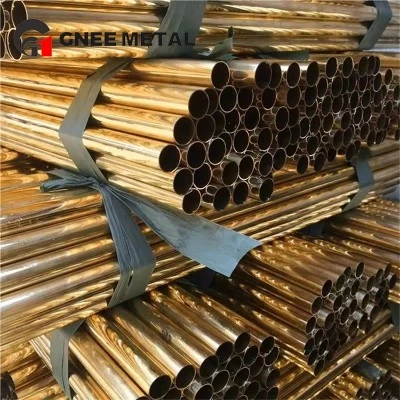
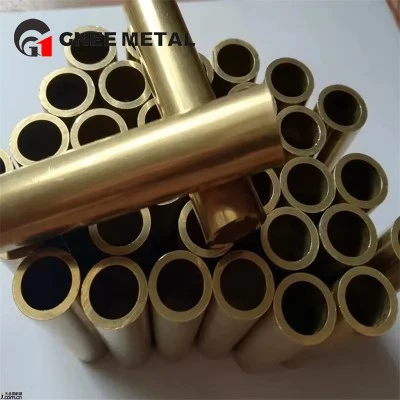
The color of brass presents a unique golden hue, with a bright surface luster and high ornamental value. This color makes brass widely used in architectural decoration, art production and other fields. In contrast, the color of pure copper presents a purple-red color, with a soft surface luster and a simple and elegant temperament. This color makes pure copper have unique application advantages in the fields of wires and cables, electrical contacts and other fields.
Hardness and strength
The hardness of brass is between that of copper and bronze, and it has good strength and toughness. This allows brass to maintain good shape stability during processing and is not easy to deform or break. Pure copper is relatively soft, has a low hardness, and is easy to process and shape. Pure copper has excellent ductility, and it is not easy to break when subjected to large external forces.
Electrical conductivity and thermal conductivity
The electrical conductivity of pure copper is particularly outstanding, and it is one of the most important conductive materials in the electrical industry. Although the electrical conductivity of brass is slightly inferior to that of pure copper, it can still meet the use requirements of most electrical contacts and wires. In terms of thermal conductivity, brass and pure copper also show good performance and can effectively conduct heat, so they are widely used in heat exchangers, radiators and other fields.
Application fields
Application of brass
In the field of architectural decoration, brass is often used to make doors, windows, railings, sculptures and other components. Its golden appearance and elegant texture can enhance the overall grade of the building. In the field of art production, brass is widely used in the production of sculptures, jewelry and other artworks because of its easy processing and shaping.
Brass is also widely used in electrical contacts, valves, pipe fittings and other fields. Its excellent electrical conductivity and corrosion resistance make it one of the indispensable materials in these fields.
Application of pure copper
As one of the most important conductive materials in the electrical industry, pure copper is widely used in wires and cables, electrical contacts, motor windings and other fields. It can effectively transmit electrical energy and signals to ensure the normal operation of electrical equipment. Pure copper also has good thermal conductivity and can effectively conduct heat, so it is widely used in heat exchangers, radiators and other fields.
In the field of architectural decoration, pure copper is also used to make some high-end decorative components, and its unique color can also create a unique artistic atmosphere.
There are obvious differences between brass and pure copper in terms of definition, composition, physical properties, and application areas. As an alloy material, brass has excellent corrosion resistance and has broad application prospects in architectural decoration, art production and other fields. Pure copper has become one of the indispensable materials in the electrical industry due to its excellent electrical conductivity.
We can provide high quality products, good service and competitive price. We have been committed to producing high quality copper products such as copper tubes, copper wires, copper plates, copper strips, copper rods and other copper products.
Mob:+8615824687445
E-mail: sales@gneesteel.com
Skype: mmkelly1314
Whatsapp/Wechat: +86 15824687445


