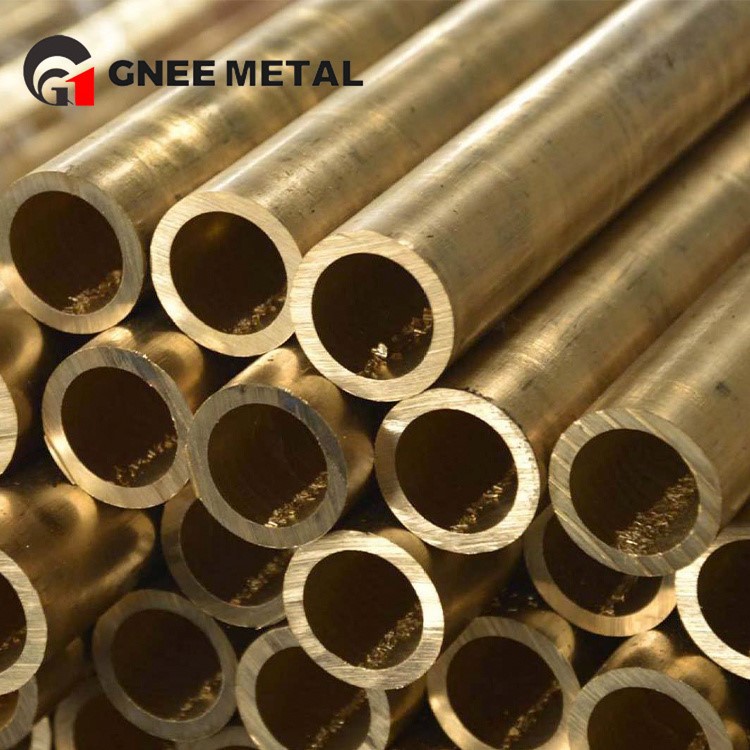
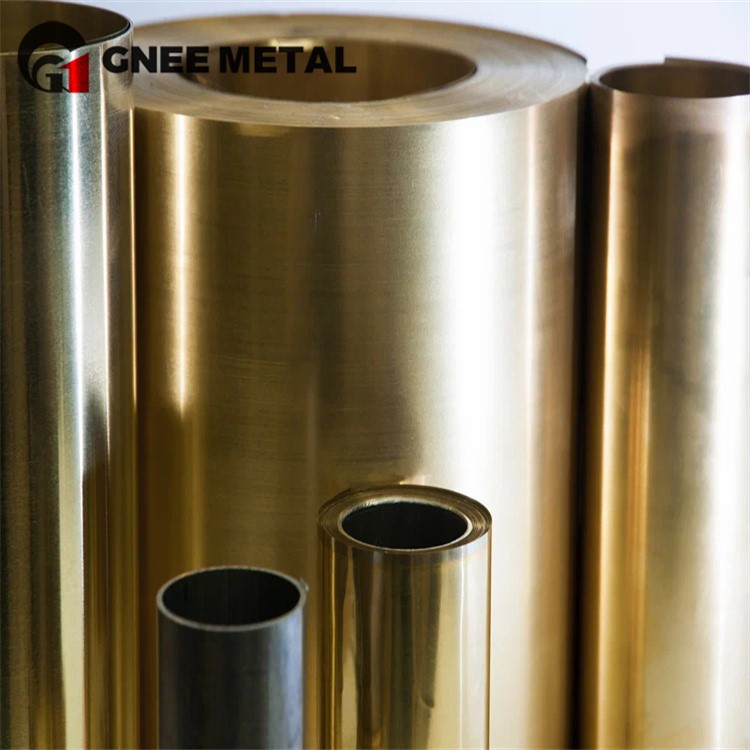
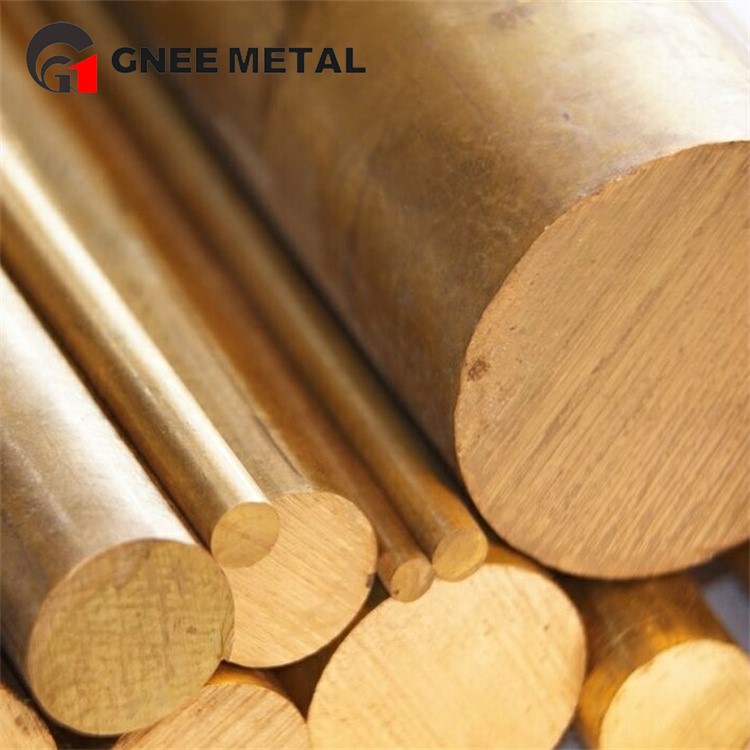
C210 C260 brass
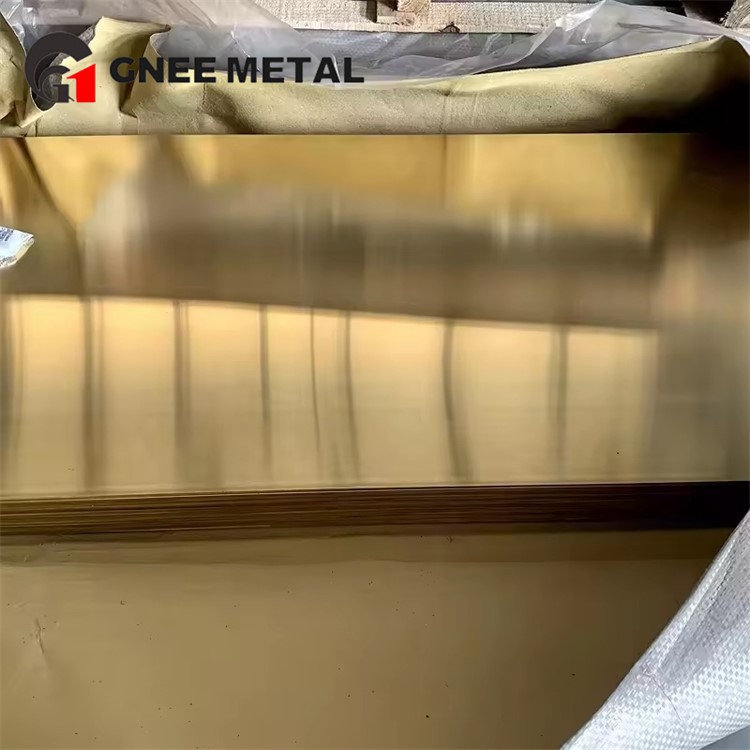
C210 brass, also known as gilding metal, has a copper content of usually 90%, which makes it highly corrosion-resistant and gives it a warm reddish gold tint. It is more workable than some other alloys like C260 (cartridge brass) but has a slightly lower strength. It has lower machinability than C360 (free machining brass), yet C210 is often required in applications where appearance and malleability hold the key, such as in jewelry or decorative items. Each alloy stands apart with some virtues; hence the choice is very much application-specific.
C210 vs. C26000: Which One Should You Choose?
Choosing between C210 (gilding metal) and C26000 (cartridge brass) must be driven by the peculiarities of the application at hand since each alloy offers unique properties suited to different needs.
With a somewhat lower zinc content (~5%), C210 is known to have high ductility, corrosion resistance, and suitability for applications where intricate shapes or deep drawing are involved. The softer composition makes it easier to form; thus, it is commonly used in jewelry, decorative pieces, and even in coinage. C210 tensile strength is generally between 290 and 380 MPa, with elongation values usually greater than 40%, making it an excellent workability specification.
C26000 having about 70% copper and 30% zinc stands out for its comparatively high strength and machinability compared to C210. This makes it better fit for structural and industrial uses where durability is of concern, such as in ammunition casings, automotive parts, and electrical connectors. Tensile strength for C26000 can be said to be within 310 to 515 MPa with elongation averaging 20-30 percent, thus providing a balance between strength and some form of. The increased zinc content also somewhat makes it hard, admiring to the hardness level.
Ultimately, your choice between C210 and C26000 depends on your project requirement. If the consideration is corrosion resistance and the ease of creating complex shapes, then C210 takes the crown. For applications calling for higher strength and bearing capacity, C26000 comes to the fore. Proper understanding of these alloys- mechanical and compositional distinctions should enable manufacturers to improve on performance, cost of production, and on-functionality in the market.
Similarities and Differences with C260 and C464
| Parameter | C260 | C464 |
|---|---|---|
| Alloy Type | Brass | Naval Brass |
| Composition | Cu-Zn | Cu-Zn-Sn |
| Corrosion Res. | Moderate | High |
| Strength | Moderate | High |
| Ductility | High | Moderate |
| Applications | General | Marine |
| Cost | Lower | Higher |
When to Use C210 in Preference to Other Copper Alloys
I like to think of using C210 or Gilding Metal when there is some combination of excellent ductility, corrosion resistance, and finish appeal. Its very high ductility gives it an ideal use for designing and forming intricate designs. In addition, its tarnish resistance makes it useful where an appearance is important, including jewelry, decoration, and architectural accents. Furthermore, C210 can be used as a cheaper alternative for applications where high strength or other properties, as in C464, are not required.
FAQ
Q: What constitutes C210 Brass?
A: C210 Brass, a copper-zinc alloy, is Loskey due to its excellent metallic properties and consists of copper and zinc as its major constituents.
Q: Why is C210 Brass called red brass?
A: Being cherished for its handsome reddish color, this particular alloy is commonly known as red brass, which is conferred by its high copper content.
Q: What are the applications of C210 Brass?
A: Applications of this brass require plumbing fixtures, electrical components, valves, and radiators since it resists corrosion to some extent while being workable.
Q: Is C210 Brass good to be used in harsh conditions?
A: C210 Brass exhibits superb corrosion resistance under harsh conditions, like exposure to moisture, making it an ideal choice for such working conditions.
Q: Is C210 Brass good for machining?
A: Yes. C210 Brass is well known for its very fine machinability; therefore, it can be used for machining and free-machining work.
Q: Why are automotive and industrial uses prime fields of application for C210 Brass?
A: Automotive and industrial uses are prime fields of application for C210 Brass because of excellent hot forging properties and resistance to friction.
Q: How is C210 Brass different from other alloys such as C377 or C385?
A: C210 Brass belongs to a class of copper-zinc alloys that include C377, C385, and others, which are well known for their corrosion resistance and machinability. While the latter colors are generally brassy golden-yellow and hence are commercially designated as commercial brass, however, C210 is more valuable for its red color and particular uses.
Q: Can brass C210 be used in medals?
A: Yes, it can be used for medals, which are C210 Brass due to its good appearance and durability.
Q: Is C210 Brass used for fixture?
A: The answer is yes- it can be used for fixtures, and applications where corrosion resistance is required, and the materials of which are expected to be harsh.
Q: What are the advantages of C210 Brass in plumbing?
A: Advantages of C210 Brass in plumbing, inter alia, include corrosion resistance, good durability, machinability, and suitability for plumbing fixtures.
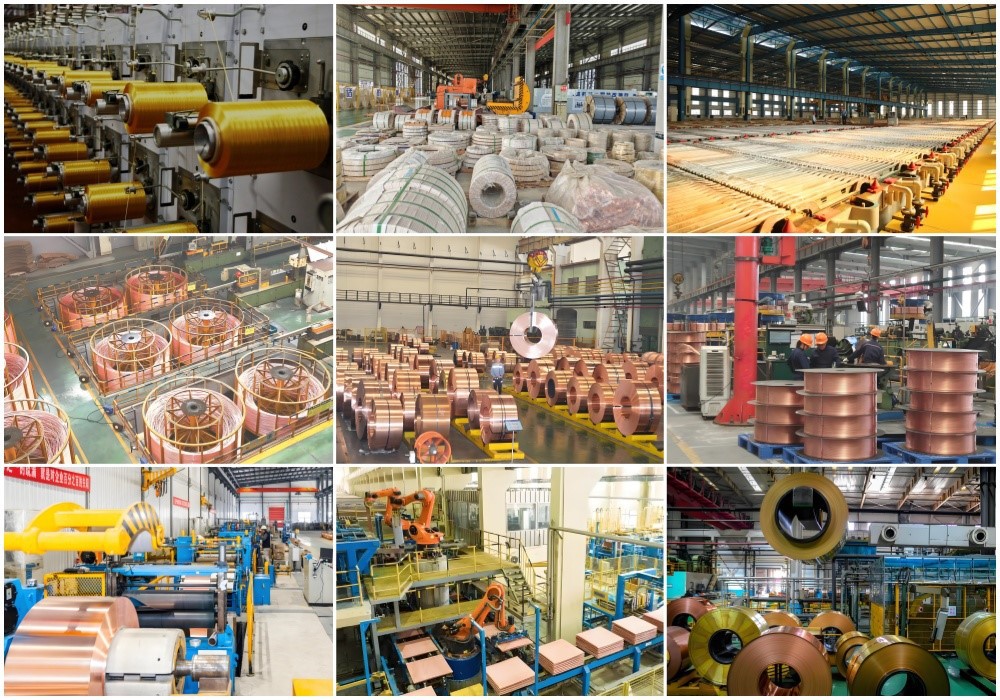
Our factory
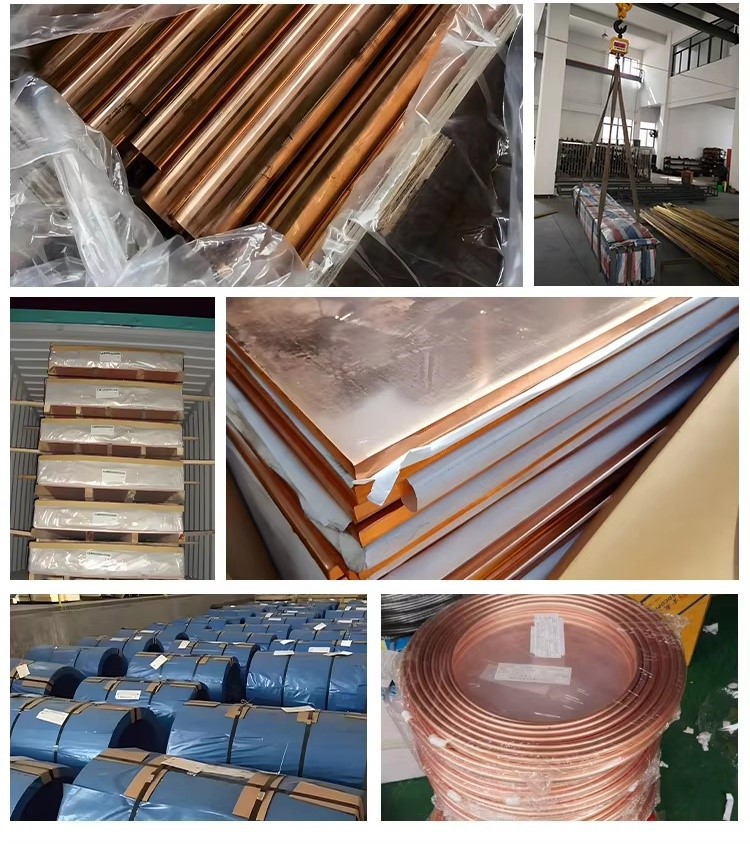
We integrate R&D, production, and sales into one seamless operation. Equipped with advanced production lines-including continuous casting and rolling, precision drawing, cold rolling, and automated finishing equipment-we strictly adhere to the ISO 9001 quality management system and international standards such as ASTM and EN. We focus on producing high-quality copper tubes, sheets, plates, rods, wires, and strips.
Get the complete product catalog
Copper product packaging
We are committed to providing safe and efficient end-to-end logistics support for every order you place. Upon completion of production, all products are professionally and custom-packaged according to their shape and transportation requirements: copper tubes are lined with moisture-proof padding and secured in reinforced wooden cases or heavy-duty steel strapping; sheets and strips are sealed with waterproof stretch film and fixed on reinforced wooden pallets, with corner protectors added to the edges; wires and rods are bundled and coated with anti-rust protection. All packaging meets export standards and can withstand long-distance sea freight and complex land transportation. We offer a variety of trade terms, including EXW, FOB, and CIF, and collaborate with multiple international logistics companies to arrange door-to-door delivery and provide real-time shipment tracking, ensuring your goods arrive at your designated destination on time and in perfect condition.