

C60800 Aluminum Bronze: Characteristics and Composition Analysis
Chemical Composition of ASTM B111 C60800 Copper Pipe
C60800 aluminum bronze is a copper-based alloy with aluminum as the primary alloying element. Its typical chemical composition is as follows:
- Copper (Cu): Approximately 90%-93% of the alloy, providing excellent conductivity and corrosion resistance as a matrix.
- Aluminum (Al): 5%-7% of the alloy significantly enhances the alloy's strength, hardness, and wear resistance.
- Iron (Fe): A trace element (≤0.5%) is added to refine the grain size and enhance tensile strength and fatigue resistance.
- Other elements, such as manganese (Mn) and nickel (Ni), are present in very low concentrations and primarily contribute to improved processing properties or corrosion resistance.
Physical and Mechanical Properties of ASTM B111 C60800 Copper Pipe
C60800 aluminum bronze combines high strength with excellent corrosion resistance. Its core properties include:
- High Strength: Tensile strength reaches 550-700 MPa, and hardness (HB) is approximately 150-200, significantly higher than that of ordinary brass.
- Wear Resistance: The aluminum oxide film (Al₂O₃) imparts excellent anti-friction and anti-seizure properties, making it suitable for high-load sliding parts.
- Corrosion Resistance: It performs well in seawater, acidic, and alkaline environments, and exhibits outstanding resistance to stress corrosion cracking.
- Thermal Stability: It has a wide operating temperature range (-200°C to 400°C) and maintains stable performance even at high temperatures.
- Workability: It can be formed through casting, forging, extrusion, and other processes, but its low ductility should be noted during cold working.
Typical Applications of ASTM B111 C60800 Copper Pipe
Due to its comprehensive performance, C60800 aluminum bronze is widely used in the following fields:
1. Marine engineering: Seawater-resistant components such as ship propellers, valves, and pump bodies.
2. Mechanical manufacturing: High-load, wear-resistant parts such as bearings, gears, and bushings.
3. Chemical equipment: Reactor liners, piping systems, and other components resistant to acid and alkali corrosion.
4. Aerospace: Precision components such as landing gear bearings and engine parts that require high-temperature and high-pressure resistance.
Through the strengthening effect of aluminum, C60800 aluminum bronze significantly enhances mechanical strength and environmental adaptability while maintaining the excellent electrical and thermal conductivity of copper alloys. Its balanced composition and performance make it an ideal material choice for demanding working conditions, particularly in industrial applications requiring a balance between wear and corrosion resistance and high strength.
why choose us

Professional copper pipe supplier
As a professional enterprise dedicated to global copper product, GNEE Metal deeply recognizes the quality and responsibility embodied in the ASTM B111 standard. This standard not only specifies chemical composition and mechanical properties but also represents a comprehensive quality commitment spanning manufacturing processes to testing and verification. GNEE solemnly assures global customers that every ASTM B111-standard condenser tube and copper alloy tubing we supply will strictly adhere to its requirements for seamless manufacturing, annealing treatment, eddy current testing, and various mechanical performance tests.
Contact us today for a quotation:sales@gneesteel.com
Packaging and shipping
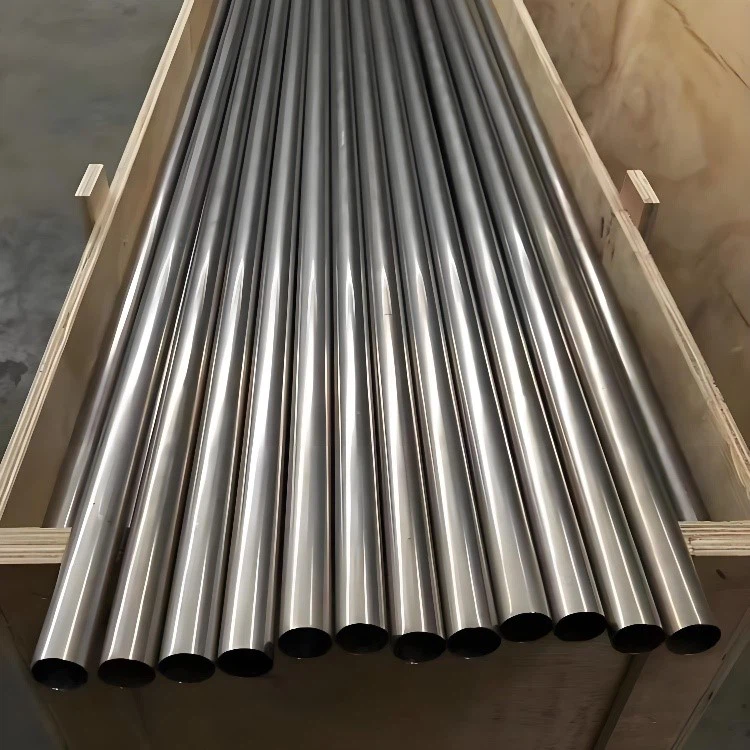
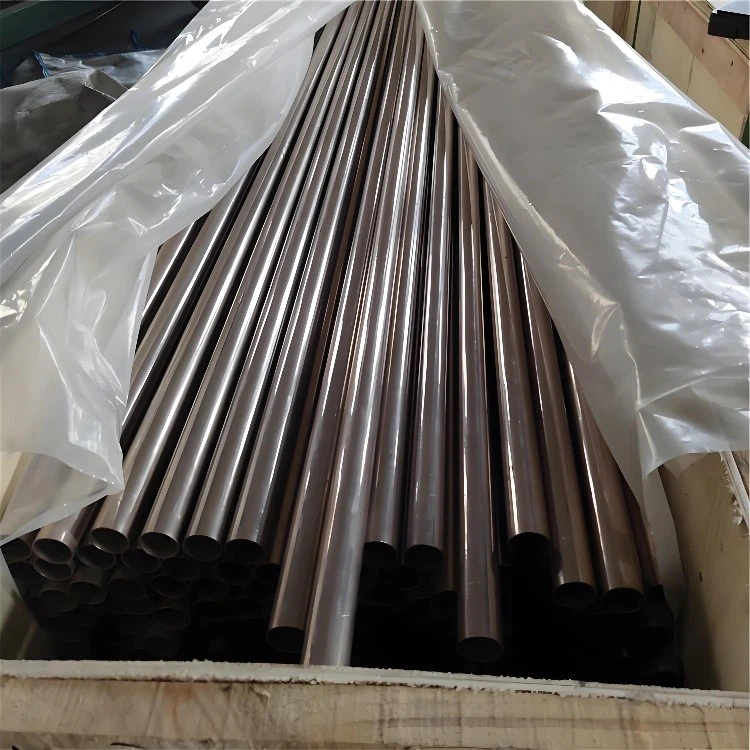
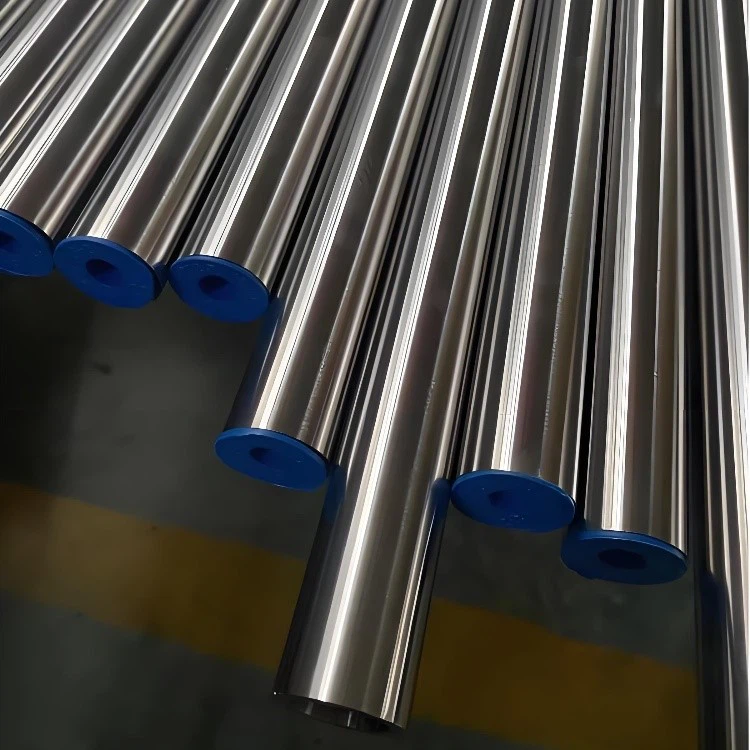
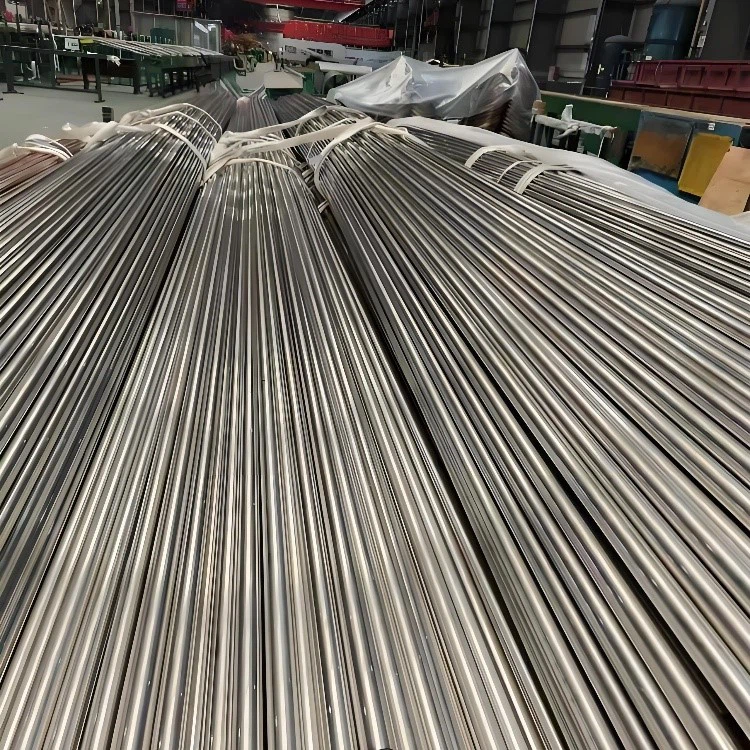
GNEE offers professional packaging for exported copper pipes. First, we apply anti-rust oil and plastic film to prevent oxidation. Then, we securely strap with steel straps and add corner protectors. Finally, we place the pipes on wooden pallets and reinforce them with iron or wooden boxes, ensuring they are moisture-proof and impact-resistant during ocean transport, while facilitating easy loading and unloading. All packaging meets export standards.


Customer visits





GNEE participated in the exhibition


