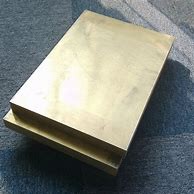
Brass 220 Chemical Composition
The main elements present in UNS C22000 are copper (Cu), lead (Pb), zinc(Zn), and tin (Sn). The chemical composition of this alloy includes 67% copper, 28% zinc, 5% lead, 0.25% tin, and other trace elements such as iron (Fe), manganese (Mn), nickel (Ni), sulfur (S) and phosphorus(P). These elements combine to create an alloy highly resistant to corrosion from most acids and alkalis at room temperature.
| Chemistry Information | |
| Element | Percentage |
| Cu | 90 |
| Zn | 10 |
Bronze UNS C22000 Physical Properties
Bronze 220 has a melting temperature of 930°C (1706°F) and a density of 8.8 g/cm3. It is classified as an alpha-beta brass because it contains both alpha (α) and beta (β) phases in its microstructure. The hardness range is between 70 to 95 Brinell (HBW), with a tensile strength of 600 MPa (87 ksi). It exhibits good wear resistance thanks to its high lead content, making it an ideal material for bearings and bushings.
Bronze 220 Applications & Corrosion Resistance
Bronze C220 has many possible applications due to its strong physical properties, such as resistance to corrosion from most acids and alkalis and excellent thermal stability, allowing it to be used in high-temperature applications like gas turbines or boilers without compromising its quality or integrity over time. Common uses include valve stems, lock bodies, piston rings, bearings, bushings, and electrical fittings. To ensure maximum corrosion resistance when using Bronze 220, it should be heat treated before application to maximize the beneficial effects of the alloy's chemical composition, including increased hardness and improved tensile strength.
Bronze C220 Machining
220 Bronze machining creates parts from bronze material through cutting, drilling, grinding and other operations. This type of machining requires understanding metal properties to use the correct tools and strategies to create complex shapes and designs. C22000 requires precise planning, accuracy in measurements, and skilful handing that helps produce aesthetically pleasing components with great strength. With this knowledge, machinists can produce high-quality parts without sacrificing precision or speed while keeping production costs low.
Bronze 220 Weldability
220 Bronze is an aluminium bronze alloy known for its weldability and excellent resistance to corrosion. The alloy is composed primarily of copper, aluminium, and iron with trace amounts of manganese, nickel, and silicon. Alloy 220 has a low melt temperature allows it to be easily joined by welding processes such as gas metal arc welding (GMAW). Bronze 220 provides high strength even in harsh environments due to its high corrosion resistance. Heat treatment processes like quenching or tempering can also further improve its strength. Bronze 220 is ideal for projects requiring strong weldable materials in corrosive applications.