C21000 vs. C26000
In the world of metals, copper and its alloys are revered for their electrical conductivity, thermal transfer, and corrosion resistance. However, not all "copper" is created equal. Two of the most common and frequently confused copper alloys are C21000 (Gilding Metal, 95% Copper) and C26000 (Cartridge Brass, 70% Copper). While they may look similar to the untrained eye, their composition, properties, and ideal applications differ significantly. Understanding the distinction is crucial for engineers, designers, and manufacturers.
Fundamental Composition
C21000 (Gilding Metal): This is a copper-zinc alloy with a very high copper content (94-96%). It contains only 4-6% zinc. It sits on the border between pure copper and the brass family.
C26000 (Cartridge Brass): This is the most common form of brass. It is a copper-zinc alloy with a "standard" zinc content of 28-33% (nominally 70% Cu, 30% Zn).
Key Properties and Performance
| Property | C21000 (Gilding Metal) | C26000 (Cartridge Brass) | Winner & Implication |
|---|---|---|---|
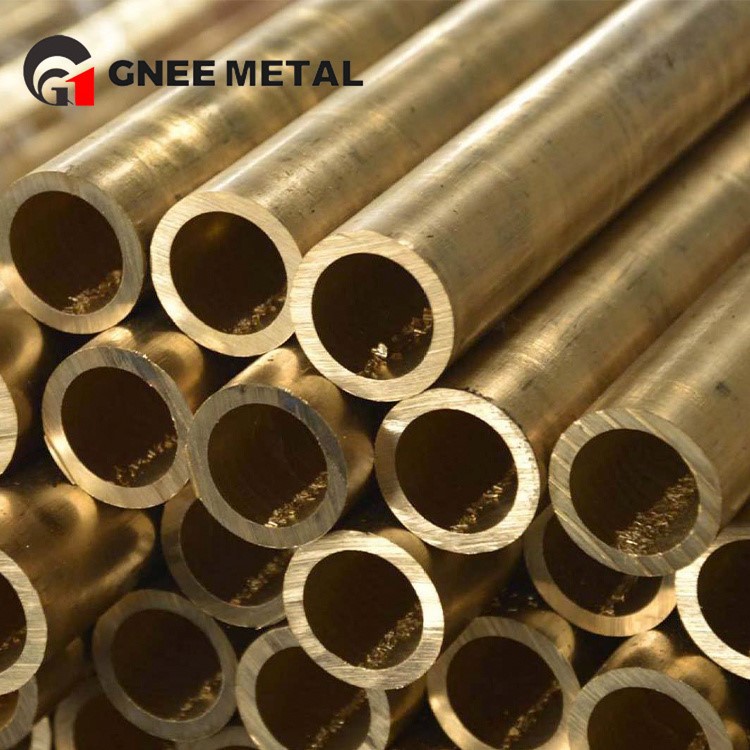
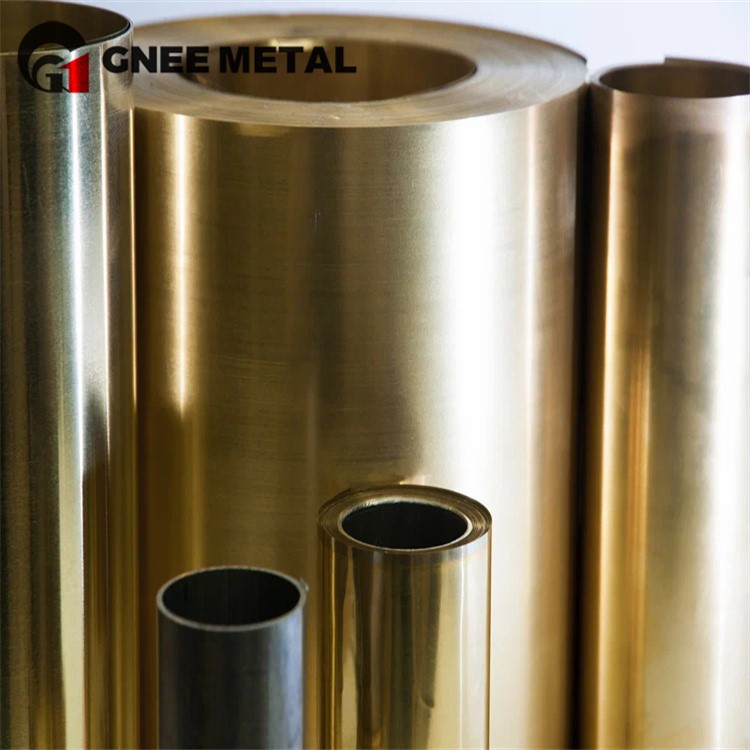
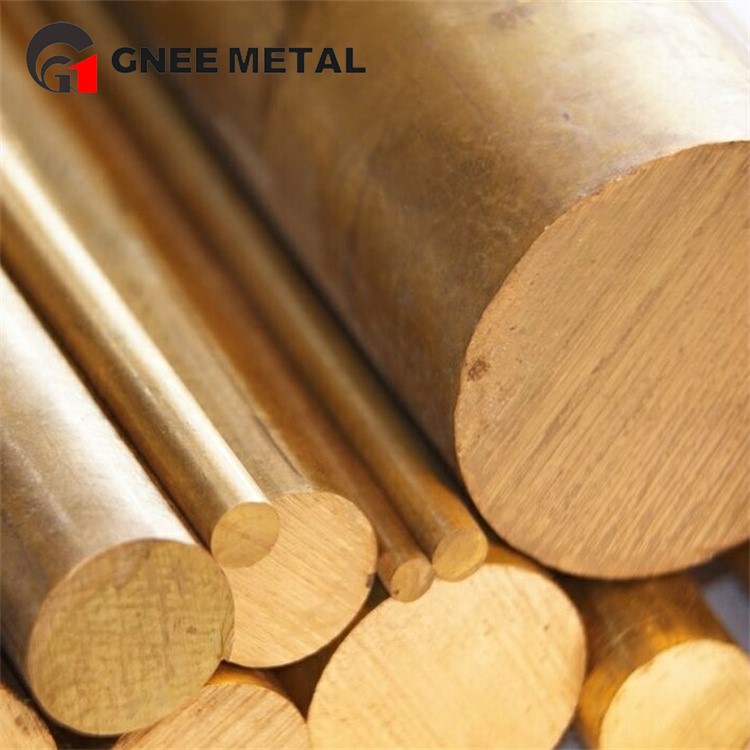
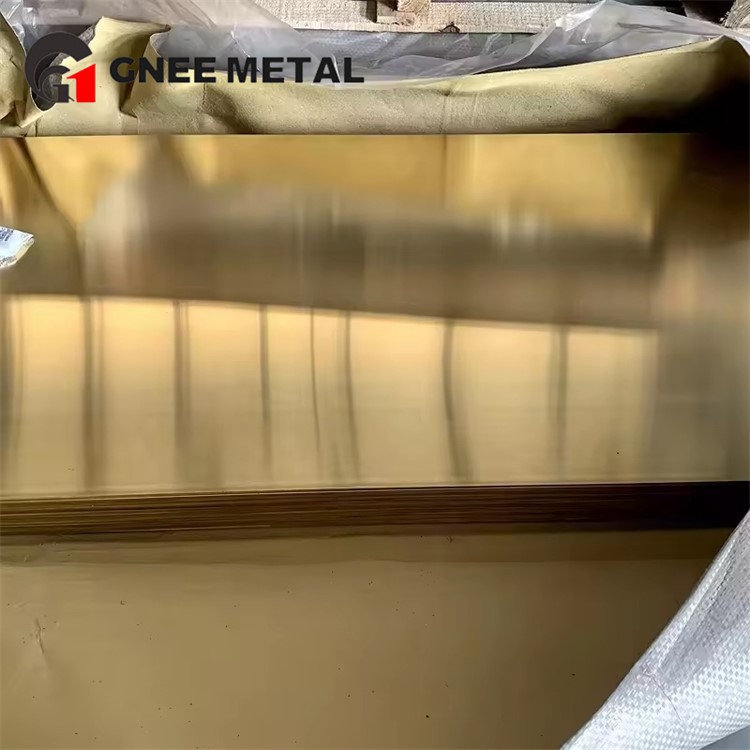
| Color | Rich, reddish-copper hue (closer to pure copper). | Distinctive bright yellow/golden color. | C21000 for a "copper" look; C26000 for a "brass" look. |
| Corrosion Resistance | Excellent, very close to pure copper. Highly resistant to atmospheric, freshwater, and seawater corrosion. | Good, but dezincification (selective zinc leaching) can occur in certain waters. More susceptible to stress corrosion cracking. | C21000. Better for harsh or wet environments where corrosion is a primary concern. |
| Formability & Machinability | Good cold workability and ductility. Poor machinability (rated around 20% on the CDA scale, where free-cutting brass is 100%). | Exceptional cold workability (the standard for deep drawing and stamping). Good machinability (rated 30%). | C26000. The clear choice for complex formed parts, casings, and applications requiring extensive machining. |
| Strength & Hardness | Softer and less strong in its annealed state. Readily strengthened by cold working. | Stronger and harder than C21000 in equivalent tempers. Achieves higher strength through cold work. | C26000. Better for applications requiring higher mechanical strength. |
| Electrical & Thermal Conductivity | High conductivity (~56% IACS), second only to pure copper among common alloys. | Moderate conductivity (~28% IACS) due to higher zinc content. | C21000. Superior for electrical springs, terminals, and thermal components. |
| Cost | Higher, due to its high copper content. | Generally more economical, as zinc is less expensive than copper. | C26000. More cost-effective for high-volume production. |
Typical Applications: Where They Shine
C21000 (Gilding Metal) is ideally suited for:
Architectural Applications: Roofing, flashings, gutters, and decorative accents where its reddish patina and superior corrosion resistance are desired.
Electrical Components: Springs, contacts, and terminals in switches/relays where a combination of good conductivity, corrosion resistance, and spring properties is needed.
Coinage & Medallions: Used for "red" coins and decorative plaques.
Heat Exchanger Tubes: Where corrosion resistance is paramount.
Munitions: Historically used for bullet jackets.
C26000 (Cartridge Brass) is the go-to alloy for:
Ammunition Components: Its namesake-cartridge cases-rely on its superb deep-drawing capability.
Hardware: Keys, locks, hinges, plumbing fixtures (valves, pins), and fasteners.
Consumer Goods: Appliances, zippers, musical instrument components (like bells), and decorative trim.
Radiator Cores and Heat Exchangers: In less corrosive environments.
General Machined Parts: Where its excellent balance of formability, machinability, and strength is utilized.
Choosing Between Them
Choose C21000 (Gilding Metal) if: Your priority is corrosion resistance or electrical/thermal conductivity, and you need a reddish color. You are willing to sacrifice some machinability and strength for these properties.
Choose C26000 (Cartridge Brass) if: Your priority is excellent formability (deep drawing, stamping) or good machinability, you need higher strength, prefer a golden color, and seek a more cost-effective solution.
Our factory
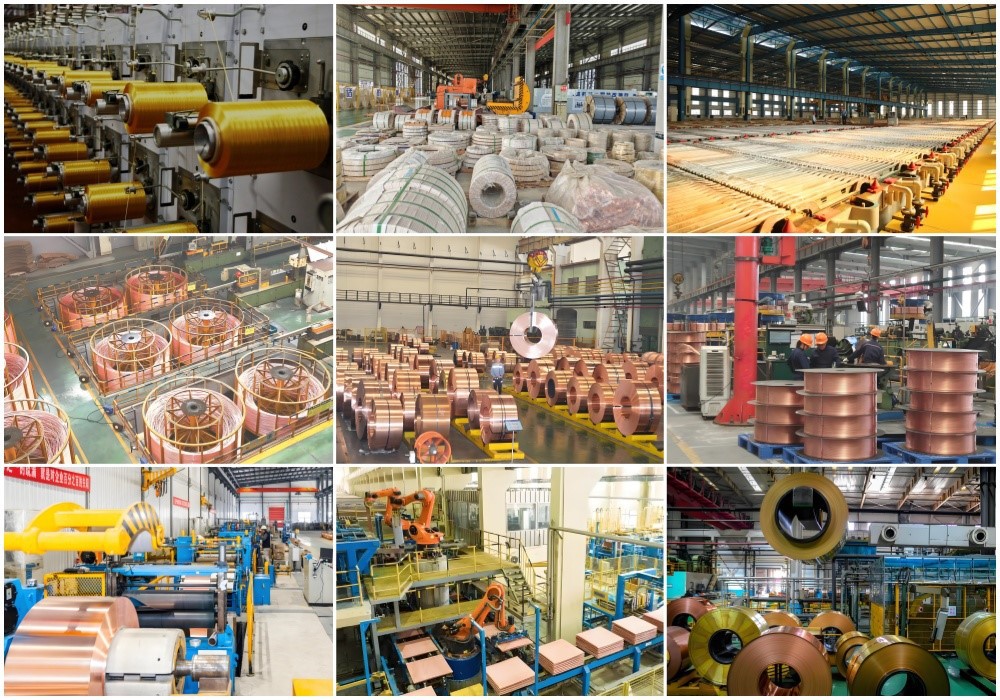
We integrate R&D, production, and sales into one seamless operation. Equipped with advanced production lines-including continuous casting and rolling, precision drawing, cold rolling, and automated finishing equipment-we strictly adhere to the ISO 9001 quality management system and international standards such as ASTM and EN. We focus on producing high-quality copper tubes, sheets, plates, rods, wires, and strips.
Get the complete product catalog
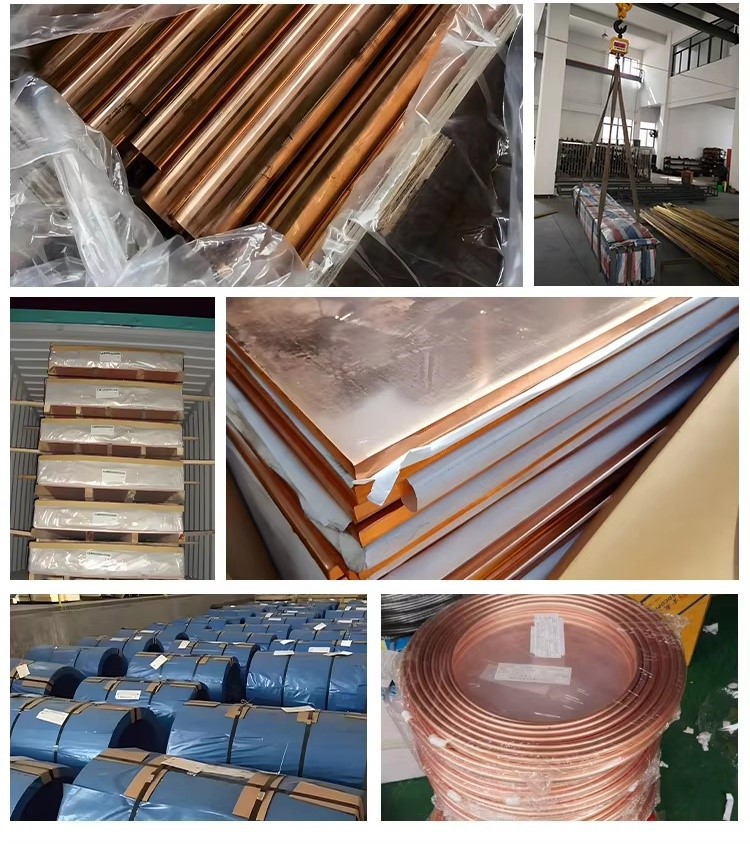
Copper product packaging
We are committed to providing safe and efficient end-to-end logistics support for every order you place. Upon completion of production, all products are professionally and custom-packaged according to their shape and transportation requirements: copper tubes are lined with moisture-proof padding and secured in reinforced wooden cases or heavy-duty steel strapping; sheets and strips are sealed with waterproof stretch film and fixed on reinforced wooden pallets, with corner protectors added to the edges; wires and rods are bundled and coated with anti-rust protection. All packaging meets export standards and can withstand long-distance sea freight and complex land transportation. We offer a variety of trade terms, including EXW, FOB, and CIF, and collaborate with multiple international logistics companies to arrange door-to-door delivery and provide real-time shipment tracking, ensuring your goods arrive at your designated destination on time and in perfect condition.