

What does ASTM B111 C70600 cover?
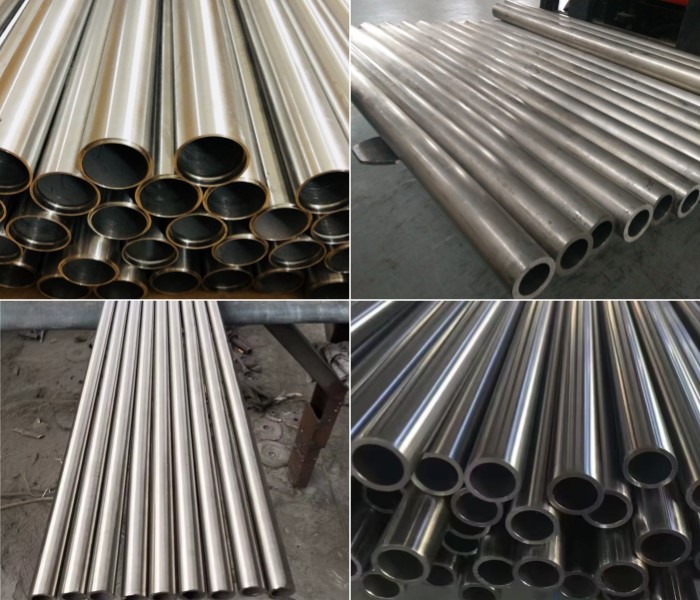
ASTM B111 covers seamless copper alloy tubes specifically for heat exchangers, condensers, and evaporators. This includes C70600, C71500, and other copper alloys. Tubes under B111 are designed for heat transfer equipment where wall thickness uniformity and internal cleanliness are critical.
Key features of ASTM B111 C70600 tube:
Intended for heat exchanger and condenser service
Stricter dimensional tolerances (wall thickness, OD, ID)
Typical wall thickness: BWG 10 to BWG 22 (0.635mm to 3.404mm)
Requires eddy current testing or hydrostatic testing
Internal surface must be clean for heat transfer efficiency
Commonly used in power plants, marine condensers, HVAC equipment
What does ASTM B466 C70600 cover?
ASTM B466 covers seamless copper nickel pipe for general piping systems, not just heat exchangers. This standard applies to C70600 and C71500 pipe used in seawater lines, fire water systems, and industrial piping where strength and pressure rating matter more than precision wall thickness.
Key features of ASTM B466 C70600 pipe:
Intended for general pressure piping and seawater service
Looser dimensional tolerances compared to B111
Typical wall thickness: Schedule 5, Schedule 10, Schedule 40, Schedule 80 (thicker walls available)
Requires hydrostatic test (eddy current optional)
Larger diameters available (up to 12 inches or more)
Commonly used in shipbuilding, offshore platforms, desalination plants
ASTM B111 vs B466: same C70600 but different requirements
Both standards cover the exact same C70600 alloy chemistry. The difference is in manufacturing tolerances, testing, and intended service. You get the same 90/10 copper nickel material, but the tube dimensions and quality checks are different.
| Comparison | ASTM B111 C70600 | ASTM B466 C70600 |
|---|---|---|
| Same alloy? | Yes (C70600) | Yes (C70600) |
| Typical product name | Tube | Pipe |
| Primary application | Heat exchangers, condensers | General seawater piping |
| Wall thickness range | Thin (BWG 10-22) | Thick (Sch 5 to Sch 80) |
| OD tolerance | Tighter (typically ±0.05mm) | Looser (typically ±0.1-0.2mm) |
| Wall tolerance | ±10% | ±12-15% |
| Eddy current test | Required | Optional |
| Hydrostatic test | Optional (or eddy current) | Required |
| Internal surface cleanliness | Strict (for heat transfer) | Standard |
Key takeaway: Same chemistry, different rules. B111 is tighter and cleaner. B466 is thicker and stronger.
Wall thickness: the biggest difference between B111 and B466
B111 tubes are thin‑walled. B466 pipes are thick‑walled. This is the most practical difference you will see. B111 uses Birmingham Wire Gauge (BWG) while B466 uses Schedule (Sch) numbers.
Typical wall thickness comparison:
| B111 BWG | Wall mm | B466 Schedule | Wall mm |
|---|---|---|---|
| BWG 22 | 0.711mm | Sch 5 | 1.24mm (typical for 1") |
| BWG 20 | 0.889mm | Sch 10 | 2.11mm (typical for 1") |
| BWG 18 | 1.245mm | Sch 40 | 3.38mm (typical for 1") |
| BWG 16 | 1.651mm | Sch 80 | 4.55mm (typical for 1") |
| BWG 14 | 2.108mm | Not available | - |
| BWG 12 | 2.642mm | Not available | - |
| BWG 10 | 3.404mm | Not available | - |
Can I use ASTM B111 C70600 tube for general seawater piping?
Not recommended. B111 tubes are thin and not designed for external mechanical loads, vibration, or impact. In a piping system, tubes can be damaged by bending stress, support clamps, or accidental hitting.
Why B111 tube is risky for piping:
Thin wall (as low as 0.7mm) can dent or collapse easily
Designed for internal pressure only, not external loads
Tube supports may crush thin walls
Welding thin B111 tube to fittings is more difficult
Most marine piping specifications call for B466 pipe, not B111 tube
Only exception: Some low‑pressure instrument lines or small bore cooling water lines may use B111 tube if specified by engineer.
Can I use ASTM B466 C70600 pipe for heat exchangers?
Usually not. B466 pipe has thicker walls and looser tolerances. In a heat exchanger, thicker walls reduce heat transfer efficiency. Looser OD tolerances make it harder to roll tubes into tube sheets.
Why B466 pipe does not work well in heat exchangers:
Thicker wall = lower heat transfer coefficient
Looser OD tolerance = difficulty rolling and sealing
Internal surface not as clean = fouling risk
Not designed for tube sheet expansion
Overall thermal performance will be lower
Which standard should you choose B111 or B466 for C70600?
Use ASTM B111 C70600 for heat transfer equipment. Use ASTM B466 C70600 for seawater pressure piping.
Quick selection guide:
| Your application | Choose this standard | Reason |
|---|---|---|
| Power plant condenser | ASTM B111 | Thin wall, tight tolerance, heat transfer |
| Marine heat exchanger | ASTM B111 | Roll expansion into tube sheet |
| Ship seawater cooling line | ASTM B466 | Thick wall, pressure rating, mechanical strength |
| Offshore platform fire water line | ASTM B466 | Impact resistance, Schedule wall |
| Desalination evaporator tube | ASTM B111 | Heat transfer surface |
| HVAC chiller barrel | ASTM B111 | Clean internal surface |
| Ballast line on vessel | ASTM B466 | External loads and vibration |
FAQ
Q1: What is the main difference between ASTM B111 and ASTM B466?
ASTM B111 covers thin‑wall tubes for heat exchangers. ASTM B466 covers thick‑wall pipes for general seawater piping. B111 has tighter tolerances, requires eddy current testing, and is designed for heat transfer. B466 has thicker walls, uses Schedule numbers, and requires hydrostatic testing. The alloy (C70600) is exactly the same.
Q2: Is C70600 under ASTM B111 the same material as C70600 under ASTM B466?
Yes, the chemistry is identical. Both standards call for the same UNS C70600 composition: 9-11% nickel, 1.0-1.8% iron, 1.0% manganese max, balance copper. You are buying the same 90/10 copper nickel alloy regardless of which standard you choose.
Q3: Which standard has tighter dimensional tolerances?
ASTM B111 has tighter tolerances. Because B111 tubes are rolled into tube sheets in heat exchangers, the OD must be very consistent to create a leak‑tight seal. B466 pipes have looser tolerances because they are joined with welded fittings or flanges, not rolled into tube sheets.
Q4: Can I substitute ASTM B111 tube for ASTM B466 pipe?
Not recommended for pressure piping. B111 tubes are much thinner (as low as 0.7mm wall) and cannot handle the same external loads, vibration, or impact that pipes see in a seawater piping system. You also cannot thread thin B111 tube. Only substitute if your application is very low pressure and fully supported.
Q5: Which standard requires eddy current testing?
ASTM B111 requires eddy current testing. This is a non‑destructive test that detects pinholes, cracks, and wall thickness variations. ASTM B466 requires hydrostatic testing instead, though eddy current can be added as an option at extra cost.
Q6: Are both ASTM B111 and ASTM B466 approved for seawater service?
Yes, both are approved for seawater. However, B111 tubes should only be used inside heat exchangers and condensers where seawater flows inside the tubes. B466 pipes are approved for full seawater piping systems including buried, above‑ground, and onboard ship applications.
Q7: Which standard is cheaper ASTM B111 or ASTM B466?
It depends on wall thickness. For the same OD, a B111 tube with BWG 18 wall (1.24mm) will cost less than a B466 pipe with Schedule 40 wall (3.38mm) because there is less material. However, comparing the same wall thickness, B466 is usually slightly cheaper because it has looser tolerances and less testing.
Q8: Does ASTM B111 cover thicker walls than ASTM B466?
No. B466 covers thicker walls. B111 stops at BWG 10 (3.4mm wall). B466 goes up to Schedule 80 or heavier (4.5mm to over 10mm wall depending on diameter). If you need a thick wall C70600 pipe for high pressure or mechanical strength, B466 is your only option.
Q9: Can I get ASTM B111 C70600 tube in O60 temper?
Yes. O60 (annealed) is the standard temper for B111 tubes. This soft temper allows easy bending and flaring. You can also request H55 (drawn) or HR (stress relieved) if specified, but most B111 C70600 tubes are supplied annealed.
Q10: Which standard do power plants usually specify for condenser tubes?
ASTM B111 almost always. Power plant surface condensers use thousands of thin‑wall B111 C70600 or C71500 tubes. B466 is never used for condenser tube bundles because the wall is too thick and heat transfer would be poor.
Q11: Which standard do shipyards specify for seawater piping?
ASTM B466 is the common choice. Shipyards use B466 C70600 pipe for engine cooling, fire main, ballast, and bilge systems. However, some small bore cooling lines may use B111 tube if the wall is thick enough (BWG 16 or heavier).
Q12: Can I weld ASTM B111 tube to ASTM B466 pipe?
Yes, but be careful. Use ERCuNi filler metal. The challenge is the wall thickness difference. B111 thin wall is easier to burn through. Reduce amperage and use a smaller welding rod. For best results, use a socket weld or stub the thin tube into a thicker fitting.
Q13: Does ASTM B111 require flattening and flaring tests?
Yes. ASTM B111 requires both flattening and flaring tests. These tests confirm the tube has enough ductility to be rolled or expanded into a tube sheet. ASTM B466 does not require these tests because pipe is not normally expanded into tube sheets.
Q14: What is the maximum OD for ASTM B111 C70600 tube?
Typically up to 3 inches (76.2mm) OD. Larger diameters are possible but less common. For larger sizes, ASTM B466 pipe is available up to 12 inches OD or more. Check mill capacity before ordering large diameter B111 tube.
Our Testing for Copper Nickel Tube
| Test Type | Standard | Equipment | Purpose |
|---|---|---|---|
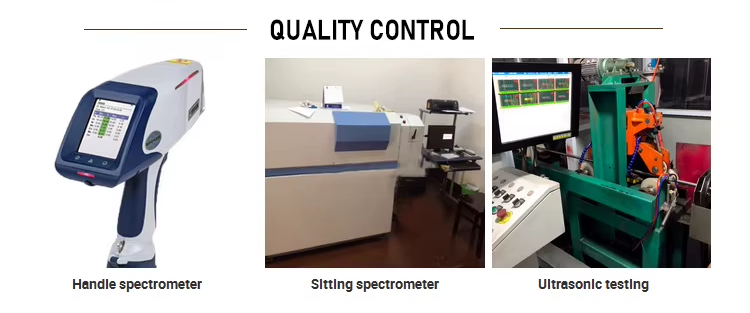
| Chemical analysis | ASTM E1473 | Spectrometer OES | Verify Cu, Ni, Fe, Mn content |
| Tensile testing | ASTM E8 | Universal testing machine 100kN | Measure strength and elongation |
| Hardness testing | ASTM E18 | Rockwell hardness tester | Check temper consistency |
| Flattening test | ASTM B968 | Hydraulic press | Check ductility and defects |
| Flaring test | ASTM B969 | Conical mandrel tool | Check expansion capability |
| Eddy current testing | ASTM E243 | Eddy current flaw detector | Detect hidden flaws and pitting |
| Hydrostatic test | ASTM B111 | Hydrostatic tester 3000psi | Verify leak-tightness |
| Reverse flattening test | ASTM B968 | Hydraulic press | Check weld quality for welded tubes |
| Microscopic examination | ASTM E407 | Metallurgical microscope | Check grain structure and inclusions |
| Intergranular corrosion test | ASTM G28 | Corrosion test cabinet | Check susceptibility to cracking |
Our Packaging for Copper Nickel Tube
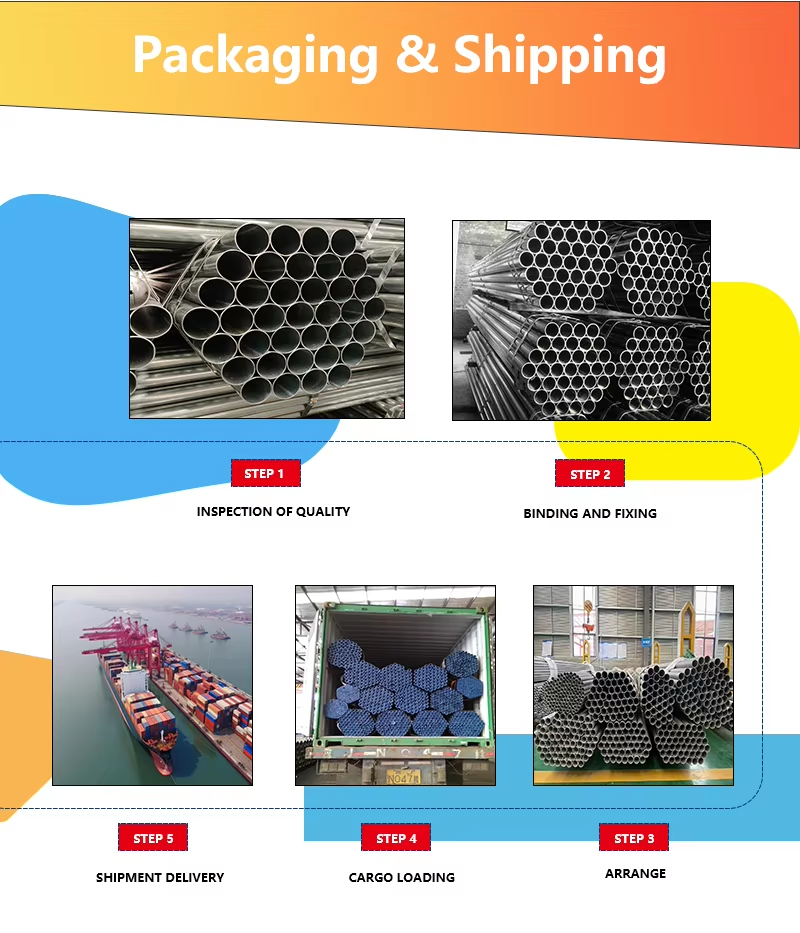
| Packaging Type | Material | For Which Tube Size | Protection Purpose |
|---|---|---|---|
| Wooden case | Plywood | Small diameter, cut lengths, fragile sizes | Maximum protection for export |
| Steel bundle with steel strips | Galvanized steel strip | Long tubes, standard sizes (6m-12m) | Secure bundling for container loading |
| Plastic end caps | LDPE | Both ends of each tube | Prevent edge damage and dirt ingress |
| PE shrink wrap | PE film | Whole bundle | Moisture protection during transit |
| VCI paper interleaving | VCI kraft paper | Between tube layers | Anti-corrosion during long shipping |
| Wooden pallet | Heat treated wood | Bundled tubes | Easy forklift handling |
| Label with grade, size, heat no. | Waterproof adhesive | Each bundle | Clear identification for warehouse |
Our Factory Equipment
| Equipment | Quantity | Specification / Capacity | Process Stage |
|---|---|---|---|
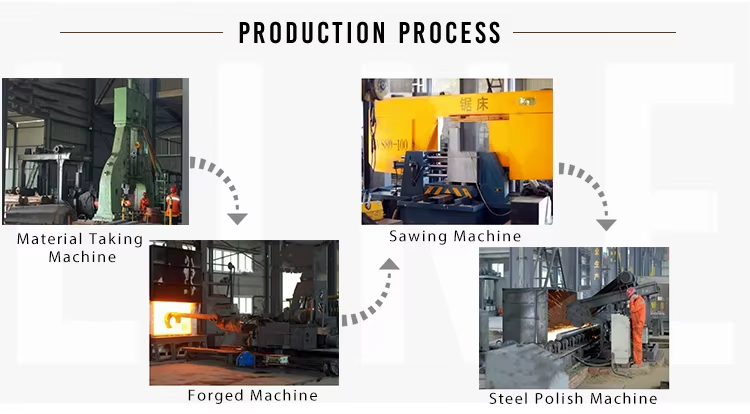
| Melting furnace | 3 sets | 5 tons per batch | Raw material melting |
| Horizontal continuous casting machine | 2 sets | 80mm-220mm diameter | Casting solid billet |
| Extrusion press | 2 sets | 2500 tons and 3500 tons | Piercing and extrusion to hollow shell |
| Piercing mill | 1 set | For heavy wall tube | Shell piercing |
| Cold rolling mill (pilger) | 4 sets | LG30, LG60, LG90 | Reduce diameter and wall thickness |
| Cold drawing bench | 8 sets | 5 tons to 30 tons pull force | Precision drawing to final size |
| Internal lubrication system | 3 sets | For drawing process | Reduce friction during drawing |
| Annealing furnace | 4 sets | 600°C, protective atmosphere | Softening after cold work |
| Straightening machine | 3 sets | 6-50mm and 50-168mm | Correct bending |
| Cutting machine | 5 sets | Automatic saw cutting | Cut to required length |
| Ultrasonic cleaning line | 2 sets | Remove oil and residue | Surface cleaning |
| Eddy current tester | 2 sets | Online inspection | 100% NDT testing |
| Hydrostatic tester | 2 sets | Max 3000psi | Pressure testing |
| Packaging line | 1 set | Automatic bundling | Final packing |
Our Product Range
| Material Family | Common Grades (UNS) | Typical Application |
|---|---|---|
| Pure copper | C10100, C10200, C11000, C12200 | Electrical, plumbing, heat exchangers |
| Brass (Cu-Zn) | C26000, C26800, C27200, C28000 | Plumbing, decorative, radiators |
| Leaded brass | C34500, C36000, C37700, C38500 | CNC machining, fittings, valves |
| Phosphor bronze | C51000, C52100, C52400, C54400 | Springs, connectors, wear parts |
| Aluminum bronze | C61400, C62300, C63000, C63200, C64200 | Marine hardware, pumps, valves |
| Silicon bronze | C65500, C67500 | Welding rods, marine fasteners |
| Copper nickel | C70600, C71500 | Seawater piping, condensers |
| Beryllium copper | C17200, C17300, C17500, C17510 | Oilfield tools, springs, mold components |


