


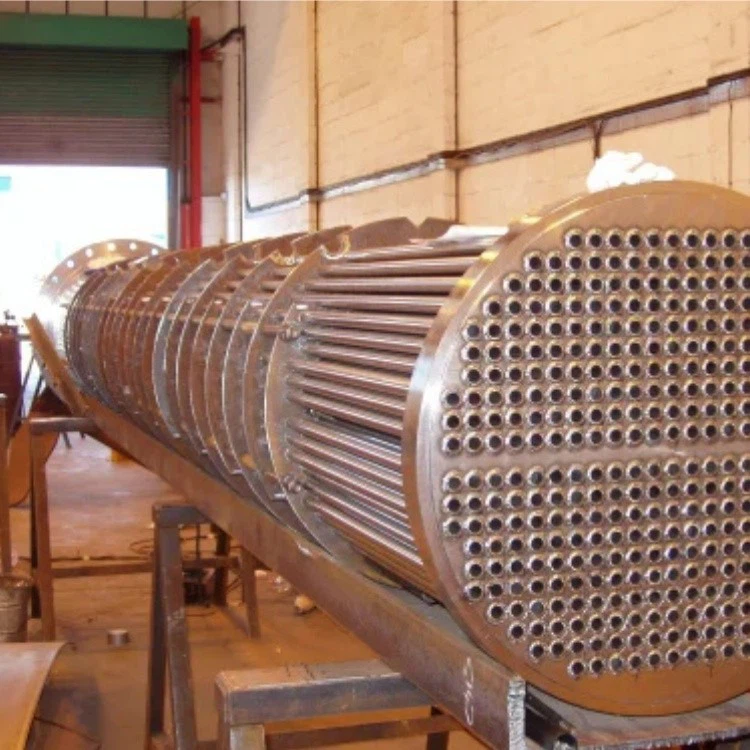
Heat Exchanger Tubes
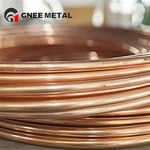
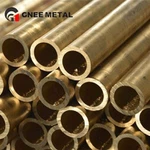
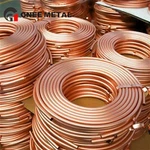
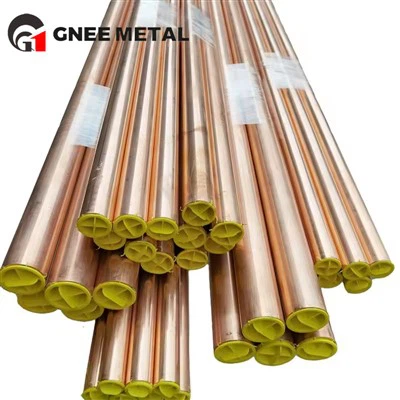
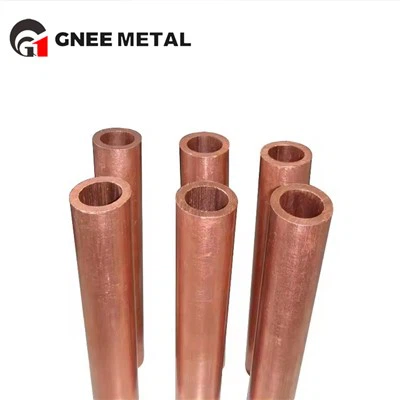
Henan Gnee New Material Co., Ltd. is one of the most professional manufacturers and suppliers of heat exchanger tubes in China, specialized in providing high quality copper products with competitive price. Welcome to buy discount heat exchanger tubes for sale here from our factory. Customized orders are welcome.
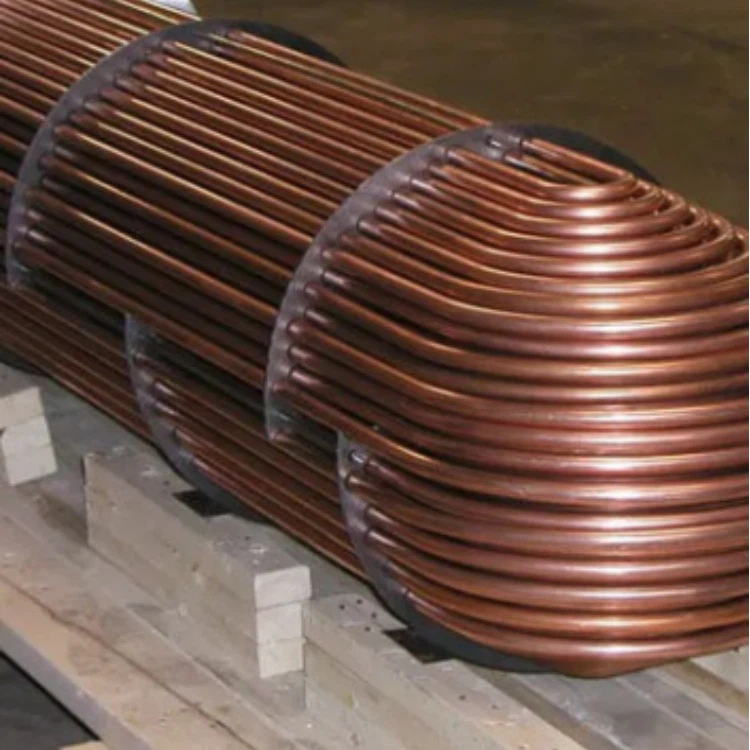
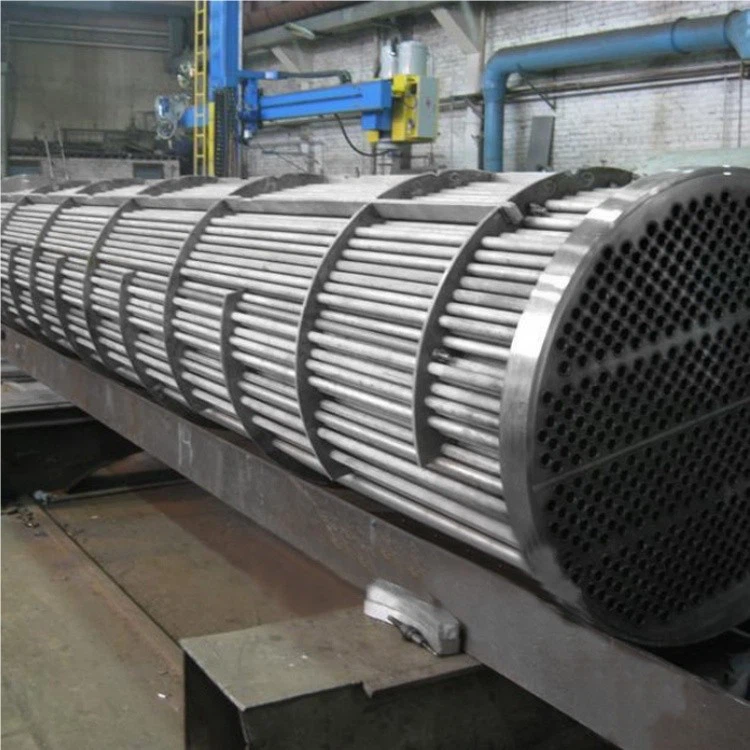
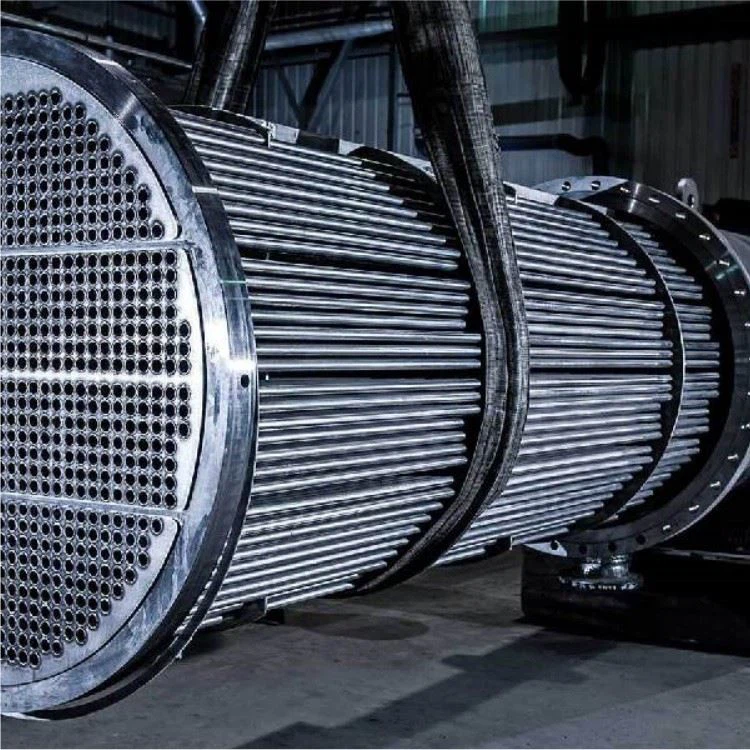
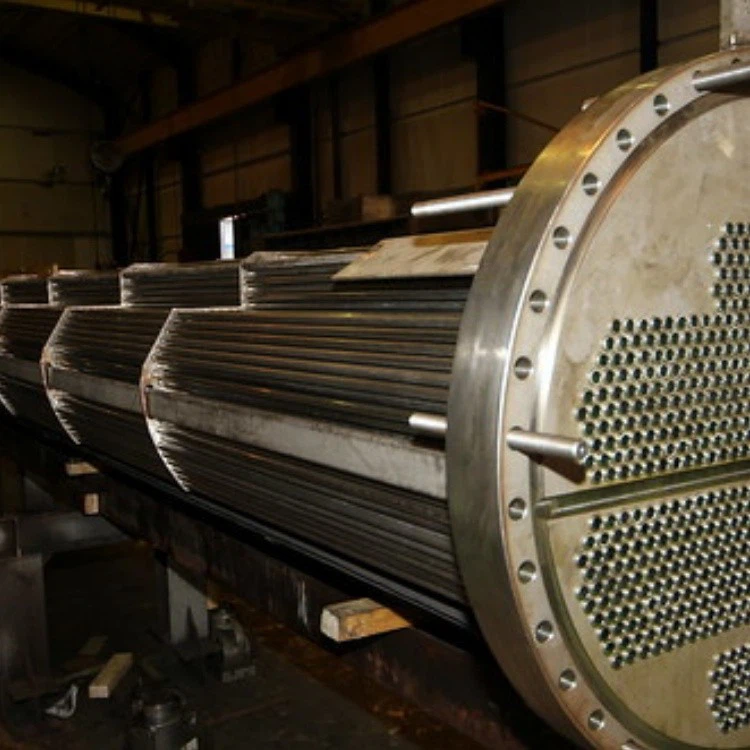
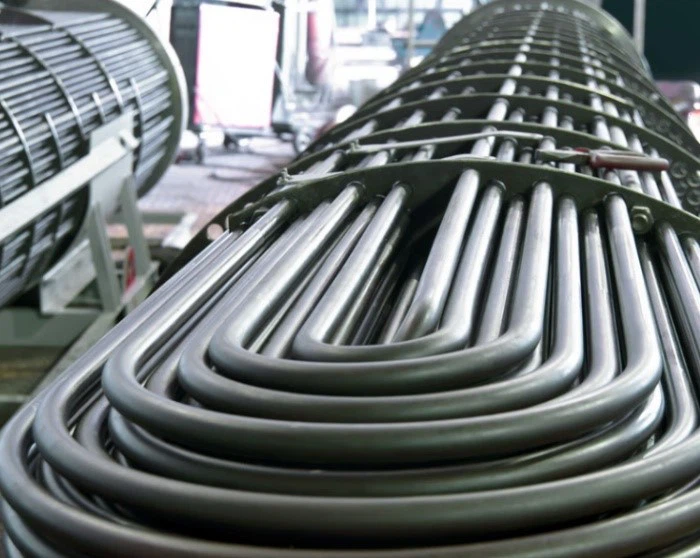
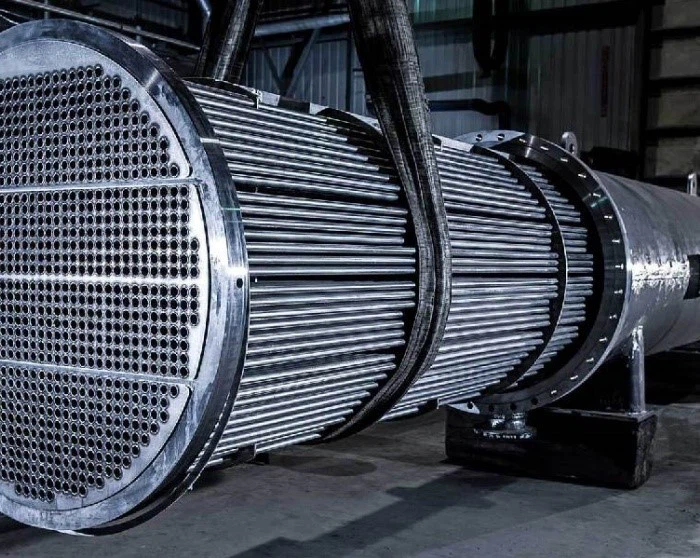
The heat exchanger tube is the core component of a shell-and-tube heat exchanger. It acts as a heat transfer surface, functioning like a sturdy barrier that completely separates two fluids at different temperatures (such as steam and water, or refrigerant and process fluid), preventing them from mixing. Simultaneously, it serves as a bridge for heat transfer. Leveraging the excellent thermal conductivity of its metal material, it allows heat to efficiently pass through the tube wall, continuously transferring from the higher-temperature fluid to the lower-temperature fluid, thereby achieving the intended heating or cooling process.
Engineered for extreme duty, our heat exchanger tubes are built to withstand high pressure, corrosion, and thermal stress, guaranteeing long-lasting, trouble-free operation and maximizing the uptime of your critical processes.
Common materials for heat exchanger tubes
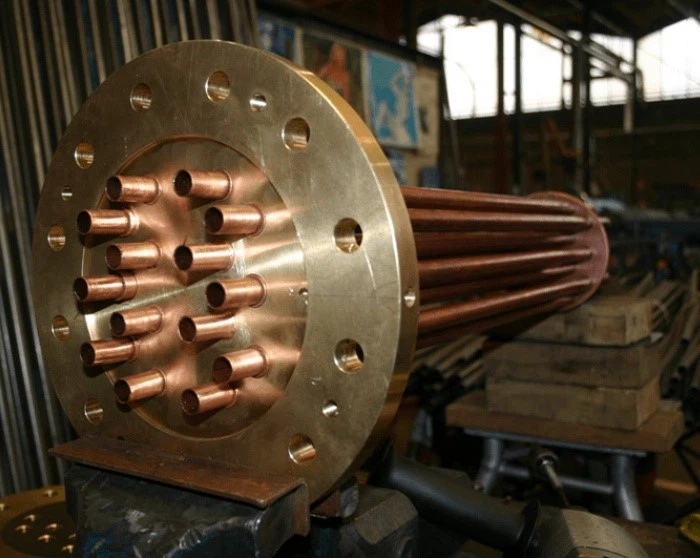
Copper & Copper Alloys
The primary advantage of copper and its alloys lies in their exceptional thermal conductivity, which enables superior heat transfer efficiency. They also offer excellent workability for easy bending and installation, along with reliable corrosion resistance in clean water environments, contributing to a long service life.
Common Grades: C12200, C44300, C70600, C71500
Stainless Steel
Stainless steel tubes excel with their outstanding, all-around corrosion resistance and high mechanical strength. They can withstand a wide range of temperatures and pressures, and their smooth surface finish helps to minimize fouling. Furthermore, they meet stringent hygienic standards for industries like food and pharmaceuticals.
Common Grades: 304/L, 316/L, 321
Carbon Steel
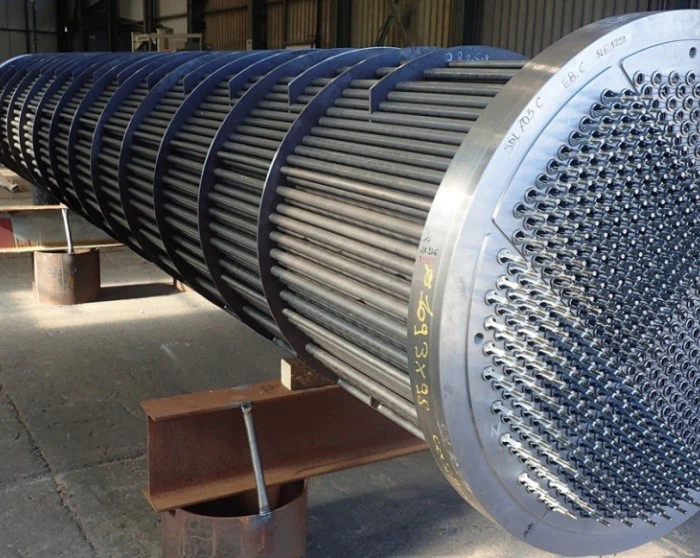
The dominant advantage of carbon steel tubes is their exceptional cost-effectiveness, featuring a low initial investment. They also provide excellent mechanical strength and pressure-bearing capacity, coupled with good thermal conductivity, making them a highly economical choice for non-corrosive services.
Common Grades: A179, A192
Titanium
Titanium tubes offer the definitive advantage of nearly complete immunity to corrosion by chloride media, such as seawater and brines. They combine this with a high strength-to-weight ratio, delivering unparalleled service life and reliability in the most demanding corrosive environments.
Common Grades: Gr. 1, Gr. 2
Nickel Alloys (e.g., Hastelloy)
Nickel alloy tubes provide the ultimate solution for extreme conditions, with an unmatched ability to withstand a vast spectrum of highly corrosive environments, including strong acids and alkalis. They retain excellent mechanical properties at elevated temperatures, making them critical for solving the most challenging process problems.
Common Grades: Hastelloy C-276, Inconel 600/625
Key Characteristics and Advantages of Heat Exhaust Tubes
Exceptional Corrosion Resistance
This characteristic delivers the core advantage of long service life and high reliability. It ensures the tubes can withstand attack from various fluids (like seawater, chemicals, or treated water), preventing wall thinning, pitting, and failure. This minimizes the risk of cross-contamination and unplanned downtime, leading to lower lifetime costs.
High Thermal Conductivity
The fundamental advantage of high thermal conductivity is superior energy efficiency and a compact design. Materials with high conductivity transfer heat rapidly and efficiently, allowing for effective heat exchange with a smaller temperature difference. This reduces pumping energy requirements and enables the design of smaller, more space-saving heat exchangers.
Outstanding Mechanical Strength
This characteristic provides the ability to withstand demanding operating conditions. Tubes with high strength, hardness, and creep resistance can endure high internal pressure, elevated temperatures, and thermal stress without deforming or rupturing. This ensures safe, stable, and reliable operation under extreme pressures and thermal cycles.
Excellent Anti-Fouling Properties
The key advantage here is sustained high efficiency and reduced maintenance. A smooth surface finish and material compatibility with the fluid help minimize the formation of scale, biofilm, or other deposits. This maintains optimal heat transfer rates over long periods, reducing the frequency of cleaning and associated downtime and costs.
Material Versatility and Workability
This characteristic allows for flexible and cost-optimized solutions. The wide range of available materials-from cost-effective carbon steel to premium nickel alloys-enables selection of the perfect tube for specific fluid chemistry, temperature, pressure, and budget. Good workability also ensures ease of fabrication, installation, and repair.
Heat Exchanger Tube Product Specifications
| Specification Category | Details & Common Options |
|---|---|
| Base Material / Grade | • Copper Alloys: C12200, C70600, C71500 • Stainless Steel: 304/L, 316/L, 321 • Carbon Steel: A179, A192 • Titanium: Gr. 1, Gr. 2 • Nickel Alloys: Alloy 400, Alloy 600, Alloy 625, Alloy C-276 |
| Outer Diameter (OD) | Common Range: 3/8" (9.52 mm) to 1" (25.4 mm) • 5/8" (15.88 mm) and 3/4" (19.05 mm) are very common sizes. |
| Wall Thickness | Expressed as BWG (Birmingham Wire Gauge) or in inches/mm. • Common BWG: 12, 14, 16, 18 (e.g., BWG 16 = 0.065" or 1.65 mm) • Thinner walls for higher efficiency; thicker for higher pressure/corrosion allowance. |
| Length | Standard lengths: 8, 12, 20, 24, 30 feet (or 2.5m, 3m, 6m, 7.5m, 9m). • Custom lengths are available to suit the heat exchanger shell design. |
| Tolerance | • OD Tolerance: Typically ±0.004 inches (±0.10 mm) • Wall Thickness Tolerance: Usually ±10% • Length Tolerance: Varies, e.g., ±1/8 inch for shorter lengths. |
| Temper / Condition | • Annealed (Soft): Easy to bend and expand. • Half-Hard / Hard Drawn: Higher strength, used in straight-length applications. |
| Surface Finish | • Plain Finish: Standard mill finish. • Polished / Electropolished: For high-purity applications (food, pharmaceutical). • Enhanced Surfaces: Finned (low fins) for greater external surface area. |
| Type | • Seamless: No weld line, superior pressure integrity, most common. • Welded & Drawn: A cost-effective alternative with a nearly invisible weld seam. |
| End Finish | • Square Cut (Standard) • Deburred: For safe handling. • Beveled: To facilitate welding. |
Applications of Heat Exchangers Tube
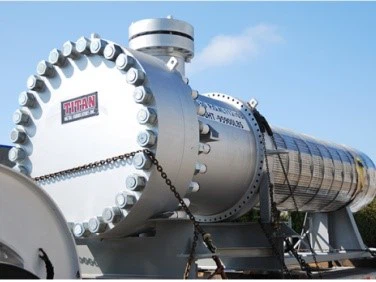
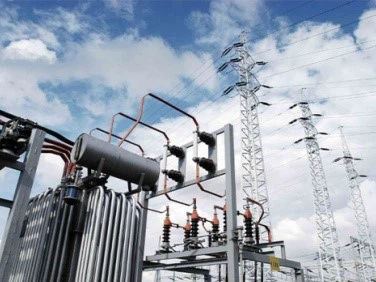
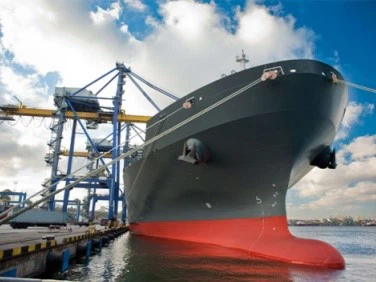
The heat exchangers are important gadgets employed in most industries to control heat effectively. They play an essential role in the safety of plants, their success in operations, and product quality.
Power Plants: Major equipment such as turbines are cooled by heat exchangers that are used in steam generators. They enhance efficiency and reduce energy expenses through reclaimed waste heat.
Chemical Plants: They regulate the temperatures in the exact chemical reactions in the equipment such as reactors and evaporators. This guarantees the quality of products and gives an opportunity to operate highly efficiently.
Refineries: They handle high-pressure systems energy and are essential in the heating and cooling of fluids during the distillation process. They should be constructed in a manner that they can withstand high temperatures.
Production of Steel and Fertiliser: Heat exchangers are used in large quantities of heat to cool molten steel and recover waste heat, and are used over extended periods of time and under severe conditions.
Shipbuilding: They are necessary in the systems of a ship, in regulation of engine temperatures, cooling lubricants, and HVAC operation. Their reliability is also determined by their endurance in the sea and efficiency in fuel consumption.
Food & Beverage: They give the required temperatures of various processes such as pasteurization and sterilization. Durable tubes are used to provide hygienic operations, as well as product safety and quality.
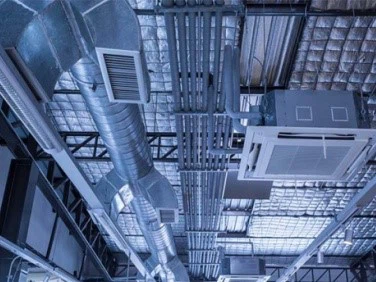
HVAC Systems: Commercial buildings cool fluids and air using heat exchangers to effectively control indoor temperatures to reduce costs of climate control.
How to choose the right heat exchanger tube
Evaluate fluid properties and corrosion potential
Start by identifying the fluids (hot and cold sides), their corrosivity, fouling tendencies, and chemical composition. For aggressive fluids, prioritize corrosion‑resistant materials like titanium or duplex stainless steel.
Assess thermal transfer requirements and pressure drop
Balance heat duty needs with acceptable pressure drop. Rifled or finned tubes excel at improving heat transfer but may raise pressure drop or risk fouling. Smooth tubes minimize pressure loss but may require more length.
Consider maintenance and cleaning constraints
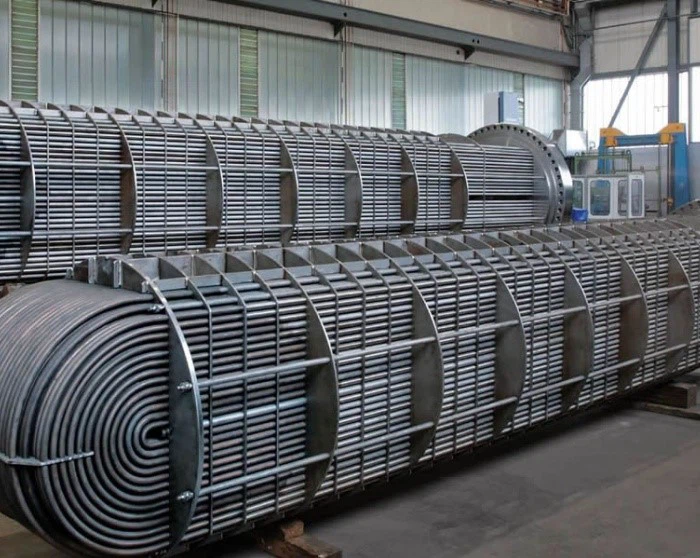
If access for cleaning or inspection is limited, favor smooth tubes or floating head designs. In fouling applications, choose tubes that allow easier cleaning, such as U‑tubes or floating heads.
Weigh cost vs. lifecycle performance
Though exotic alloys cost more upfront, their long-term durability in aggressive applications often outweighs initial savings from cheaper materials. Factor in maintenance, replacement, and downtime costs.
Comply with industry standards and regulations
Ensure tube selection aligns with industry codes and standards (e.g., ASME, TEMA) and meets safety requirements, especially critical in high-pressure or hazardous‑service environments.
Customized services
We understand that every thermal application is unique. Therefore, we focus on providing fully customized heat exchanger tube solutions. From selecting the appropriate material grade (whether it's corrosion-resistant titanium, high thermal conductivity copper, or robust stainless steel), to customizing dimensions, wall thickness, length, and surface finish, we specifically design each tube to meet your specific operating pressure, temperature, and fluid compatibility requirements, ensuring your system achieves optimal performance and service life.
Inspection Processes
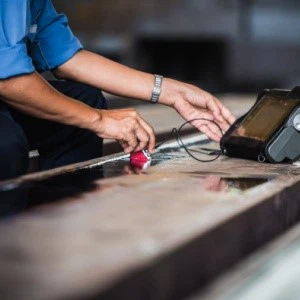
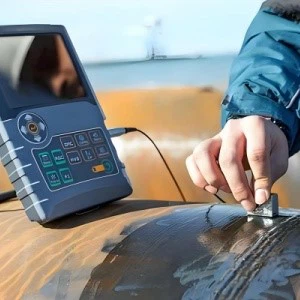
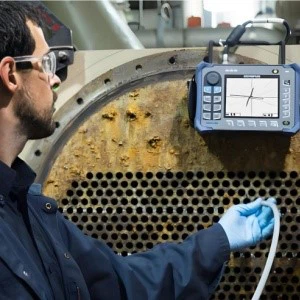
Chemical Composition Analysis (Spectrometer)
Verifies the material grade by precisely identifying the percentage of alloying elements, ensuring compliance with international standards.
Mechanical Properties Testing (Tensile, Hardness, Flattening, Flaring, Bend Test)
Confirms the tube's strength, ductility, and formability, guaranteeing it can withstand operational stresses, pressure, and installation processes.
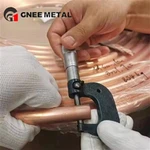
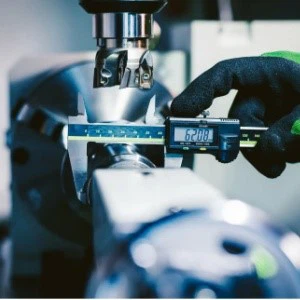
Dimensional Accuracy Inspection (Micrometer, Laser Measurement)
Ensures strict adherence to specified tolerances for outer diameter, wall thickness, and length, which is critical for proper fit and performance in the heat exchanger.
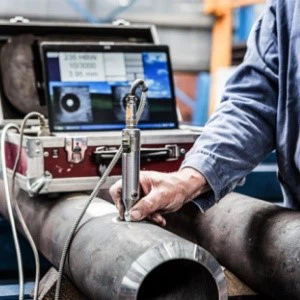
Non-Destructive Testing (Eddy Current/ET, Ultrasonic/UT, Hydrostatic Test)
A suite of methods to detect surface, sub-surface, and internal flaws without damaging the tube, ensuring structural integrity and leak-tightness under pressure.
Metallographic Analysis
Examines the microscopic structure of the material to verify proper heat treatment, grain size, and the absence of detrimental phases or manufacturing defects.

Why choose us?
We specialize in high-performance heat exchanger tubes, offering a comprehensive range of seamless and welded tubing designed for optimal thermal efficiency and durability. Our portfolio includes corrosion-resistant stainless steel (304/L, 316/L), high-thermal-conductivity copper alloys, robust carbon steel (A179), and advanced titanium-nickel alloy tubing. All products are customizable in size, wall thickness (BWG), and various configurations, such as U-bends and low-finned tubes. With complete material traceability and rigorous quality control (including non-destructive testing), we provide superior tubing for condensers, evaporators, and shell-and-tube heat exchangers in demanding applications.
Please contact us immediately:sales@gneemetal.com
Square Meters Built
Enterprise Employees
Cooperating Partner
Years Experience
Hot Tags: heat exchanger tubes, China heat exchanger tubes manufacturers, suppliers, factory, copper, C27200 copper pipe, C12500 15mm copper pipe, type l C26200 copper, C12300 type k copper pipe, C21000 flexible copper tubing, C10100 copper pipe
Next
Jumbo CoilYou Might Also Like



Send Inquiry