

Copper is a malleable and ductile metallic element that is an excellent conductor of heat and electricity and is corrosion-resistant and antimicrobial. Copper occurs naturally in the earth's crust in many forms. It can be found in sulfide deposits (e.g., chalcopyrite, porphyry, chalcopyrite, and indocyanite), carbonate deposits (e.g., chalcopyrite and malachite), silicate deposits (e.g., smectite), and in pure "natural" copper ores.
Copper also occurs naturally in humans, animals and plants. Organic life forms evolved in environments containing copper. As a nutrient and an essential element, copper is vital for maintaining good health. Life-sustaining functions depend on copper. Copper and copper-based alloys are used in a variety of applications and are necessary to maintain a reasonable standard of living.
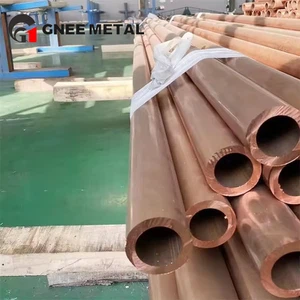
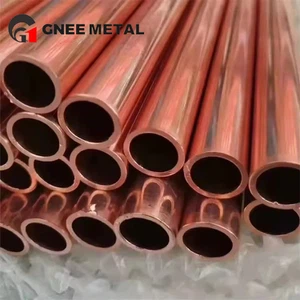
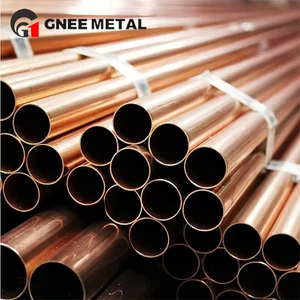
The continued production and use of copper is essential to the development of society. The way in which society develops and utilizes its resources, while ensuring that future needs are not compromised, is an important factor in ensuring that society is sustainable.
Copper has one of the highest recycling rates of any metal. Our ability to recycle metals over and over again makes them the material of choice. Once recycled copper (also known as reclaimed copper) has been reprocessed, it is indistinguishable from virgin copper (copper derived from ore). Recycling copper increases the efficiency of metal utilization, saves energy, and helps ensure that we have a sustainable source of metal for future generations. Demand for copper will continue to be met through the discovery of new deposits, technological improvements, efficient design and the utilization of copper's renewable properties through reuse and recycling.
In addition, competition among materials and the principle of supply and demand help to ensure that materials are utilized efficiently and effectively. Copper is an important contributor to the national economies of mature, emerging and developing countries. Mining, processing, recycling and converting the metal into a wide range of products
creates jobs and generates wealth. These activities help to build and maintain a country's infrastructure and create opportunities for trade and investment, and copper will continue to contribute to the development of society for a better future.


